Sumatra Mandheling Coffee Flavor and Roast Guide
If you’ve ever sipped a cup of Indonesian coffee and been hit with a thick, syrupy body and deep herbal undertones, there’s a good chance it was Mandheling from Sumatra. But what creates that distinctive mouthfeel — and why does this coffee divide opinion so sharply? Whether you love its bold punch or find it too rugged, understanding Mandheling means starting with where it comes from and how it’s made.
Mandheling coffee, especially from Sumatra’s Lintong and Aceh regions, is known for its full body, low acidity, and intense earthy or herbal notes. It’s almost always processed using the wet-hulling (Giling Basah) method, which contributes to its signature heavy mouthfeel and rustic sweetness. Ideal roast levels range from medium to dark to balance its inherent boldness.
What Is Mandheling Coffee, Really?
Mandheling isn’t a coffee variety — it’s a trade name with an unusual origin. During World War II, Japanese soldiers in Indonesia asked for the name of a coffee they enjoyed at a shop owned by the Mandheling people. Mistaking the question, the shop owner answered “Mandheling,” and the name stuck. Today, it refers almost exclusively to high-quality Arabica grown in northern Sumatra, particularly around Lake Toba in North Sumatra’s Simalungun and Dairi regencies, and the Gayo Highlands in Aceh.
The name “Mandheling” is now widely used commercially, but most of the coffee labeled as such comes from the island’s high-altitude regions, typically grown between 750 and 1,500 meters above sea level. Although other regions like Java and Sulawesi also produce notable beans, Sumatran Mandheling is often ranked among the world’s most distinctive coffees for its body and texture.
Why Does Sumatra Mandheling Taste So Different?
Sumatran Mandheling stands apart due to both terroir and processing. The beans are larger and harder than average, and their appearance is often rough or uneven — a trait some coffee enthusiasts associate with deeper flavor. The region’s high humidity and frequent rain make traditional drying methods difficult, leading to the development of the wet-hulling (Giling Basah) process unique to Indonesia.
In wet-hulling, farmers remove the outer skin and pulp, then partially dry the beans with the mucilage still attached. Once the moisture content drops to around 30–50%, the beans — still encased in a paper-like parchment — are hulled using a machine that strips off the remaining layer while the beans are still semi-dry. This exposes the green bean directly to air, speeding up drying but also contributing to Mandheling’s trademark heavy body, low acidity, and earthy, spicy notes.
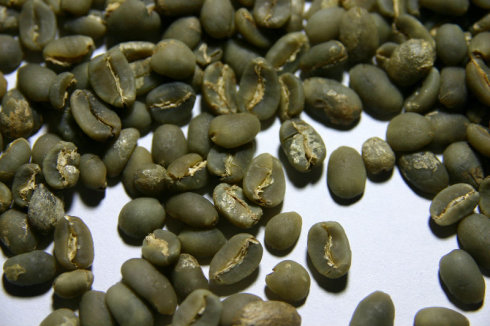
This method results in beans that often have a bluish-green hue and a slightly rough surface. While it can lead to inconsistencies if not carefully managed, when done right, it produces a cup with profound texture and complexity.
Flavor Profile: What to Expect in the Cup
Cupping a well-prepared Mandheling reveals a profile that’s polarizing but undeniably bold. Most tasters note a heavy, syrupy body that coats the palate — often described as the “heaviest” of any coffee. Acidity is muted or very low, but what acidity there is tends to be bright and fleeting, adding a touch of liveliness beneath the weight.
The flavor spectrum commonly includes deep herbal notes, woodiness, and spices like clove or cardamom. Many drinkers also detect a faint earthiness — sometimes compared to damp soil or fresh grass. Sweetness is present but subtle, often emerging more clearly as the cup cools. The finish is long, sometimes with a lingering dry spice or tobacco-like sensation.
These traits make Mandheling a favorite for those who enjoy a coffee that feels like a “meal” in a cup — rich, grounding, and intensely physical. It’s less suited for those seeking bright, fruity, or tea-like profiles, but perfect for espresso blends or dark roast enthusiasts looking for texture over brightness.
How to Roast Mandheling for Best Results
Mandheling’s dense bean structure and thick parchment make it well-suited for medium to dark roasts. Light roasts can highlight its inherent sweetness and floral or herbal complexity, but require precision to avoid underdeveloped flavors. However, most commercial Mandheling is roasted to medium-dark or dark levels to emphasize its body and minimize sharp edges in the cup.
Ideally, aim for a roast that develops the Maillard reaction fully without pushing into excessive second crack. This ensures a balanced output where the coffee’s natural oils are mobilized, enhancing its signature heaviness while preserving some of its intrinsic spice and fruit notes.
Grind settings should be adjusted to the brew method — typically medium to coarse for pour-over, and finer for espresso to account for the bean density. Extraction yields should focus on balance: too short, and the cup can taste muddy; too long, and bitterness may overshadow the herbaceous qualities.
Frequently Asked Questions
What makes Sumatra Mandheling coffee different from other Indonesian coffees?
Sumatra Mandheling is distinct for its full body, low acidity, and earthy or spicy flavor profile, largely shaped by the wet-hulling (Giling Basah) process and high-altitude growing conditions. While other Indonesian regions like Java and Sulawesi produce notable beans, Mandheling is especially known for its thick, syrupy mouthfeel and herbal notes, often described as “earthy” or “woodsy.”
Why is Mandheling coffee so heavy and oily?
The heavy, sometimes oily body of Mandheling comes from its dense bean structure, slow maturation at high altitudes, and the wet-hulling process, which leaves more moisture and fermentable compounds in the bean. This results in a cup that feels thick and textured, with a lingering mouthfeel and bold flavors.
What roast level is best for Mandheling coffee?
Mandheling performs well at medium to dark roast levels. Medium roasts can preserve more acidity and floral notes, while darker roasts enhance the coffee’s natural body and earthy tones. Most commercial Mandheling is medium-dark to dark roasted to emphasize its signature heaviness.
Does Mandheling coffee have high caffeine content?
There’s no evidence that Mandheling coffee has higher caffeine content than other Arabica beans. Its intense flavor profile may create the impression of strength, but caffeine levels are within the normal range for Arabica, typically around 1.2–1.5% by weight.
What flavors should I taste in a good cup of Mandheling?
A well-brewed Mandheling should present a full body, low acidity, and notes of spice (like clove or cardamom), wood, herbs, and sometimes a faint earthiness. Sweetness varies but often appears as a subtle caramel or nutty tone on the finish. The overall impression is bold and physical, not bright or fruity.
Where is Mandheling coffee grown in Sumatra?
Mandheling coffee is primarily grown in Indonesia’s North Sumatra region, especially around Lake Toba in the Gayo Highlands (Aceh) and the Lake Toba area in North Sumatra (Dairi and Simalungun). These high-altitude zones (750–1,500m) provide ideal conditions for producing the dense, flavorful beans associated with the Mandheling name.
Recommended FrontStreet Beans for Mandheling Lovers
FrontStreet Coffee’s PWN Golden Mandheling is a meticulously selected single-origin bean sourced from Indonesia’s PWN cooperative. Grown at 1,100–1,600m and processed via wet-hulling, it delivers a classic Mandheling profile: full body, low acidity, and deep herbal and spicy notes. The Lintong Mandheling from FrontStreet offers a similar experience with dense texture, earthy undertones, and a long, lingering finish. Both beans showcase the signature boldness of Sumatran coffee and are ideal for dark roast enthusiasts. Freshly roasted within 5 days · Orders placed before 17:00 ship the same day · Next-day delivery across most of Guangdong Province.
FrontStreet Coffee is a long-established specialty coffee roaster in Guangzhou China, selling freshly roasted beans from its own farm in Yunnan as well as dozens of carefully selected single-origin beans from around the world for both pour-over and espresso. The products deliver consistently excellent quality and great value, with shipping within 24 hours. Guangzhou's FrontStreet Coffee shop is recommended by many coffee lovers, and the beans are now available online at the Tmall 。
Important Notice :
前街咖啡 FrontStreet Coffee has moved to new addredd:
FrontStreet Coffee Address: 315,Donghua East Road,GuangZhou
Tel:020 38364473