How a Siphon Coffee Maker Works: Chemistry & Steps Explained
If you’ve ever watched a siphon coffee maker in action—watching coffee rise, bubble, and fall like a science experiment—you’ve probably wondered: how does this actually work? More than just theatrical, the siphon relies on real chemistry and controlled variables to produce a clean, nuanced cup. Here’s exactly what’s happening inside the glass.
The siphon method uses vapor pressure and suction to brew coffee between two connected chambers heated to 90–94°C, with a typical brew ratio of 15–22 grams of medium-fine coffee (like sugar) to 110 milliliters of water, steeped for 30–50 seconds before cooling and drawing down.
What Is a Siphon Coffee Maker and How Does It Work?
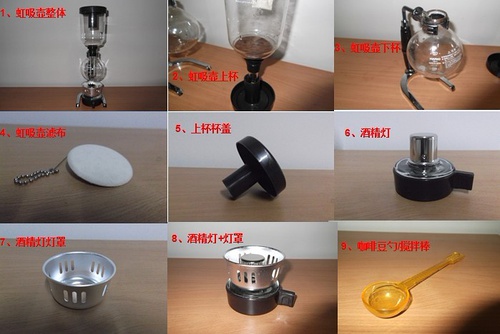
A siphon coffee maker—also called a vacuum pot—consists of two glass chambers stacked vertically. The lower chamber holds water; the upper one holds coffee grounds. When heated, vapor pressure forces water up into the upper chamber. Once removed from heat, a vacuum effect pulls the brewed coffee back down. This process relies on basic principles of thermodynamics and fluid mechanics to deliver a clean, full-immersion brew.
The Science Behind the Siphon’s Rising and Falling Coffee
The rising action occurs when heat applied to the lower chamber generates steam, increasing internal pressure and pushing hot water up through a narrow tube into the upper chamber where it mixes with ground coffee. When the heat source is removed, the lower chamber cools, creating a partial vacuum that sucks the brewed coffee back down. This cycle results in a distinctive visual brew process and contributes to an even extraction.
Step-by-Step: Brewing Coffee with a Siphon Pot
To brew with a siphon, follow these essential steps based on professional café practice:
- Grind Size: Use a medium-fine grind, approximately the size of granulated sugar.
- Coffee Dose: For one serving, use 15–22 grams of coffee; 15 grams is common in practice.
- Water Volume: Use 110 milliliters (about 3.7 ounces) of water in the lower chamber.
- Water Temperature: Heat water to 90–94°C before assembly.
- Assemble the Siphon: Place the filter cloth in the upper chamber and secure it centered. Insert the upper chamber onto the lower chamber.
- Add Coffee: Put the ground coffee into the upper chamber once water begins transferring upward due to heat.
- Stir During Extraction: When roughly half the water has risen, stir the coffee and water mixture with a bamboo spoon. A three-layer effect (foam, bubbles, water) will form. If bubbling is too vigorous, reduce heat immediately.
- Maintain Steep Time: Allow the coffee to “mellow” or “stew” without stirring for 30–50 seconds. The coffee layers will then stabilize—foam rises, middle layer dissolves, lower water layer disappears.
- Final Stir & Draw Down: Give a final stir to homogenize, then turn off the heat. You can also cool the lower chamber quickly with a wet cloth. The brewed coffee will descend rapidly into the lower chamber, leaving grounds in the upper part. Pour and serve.
Common Mistakes and How to Avoid Them
Achieving a clean siphon brew requires attention to detail. Avoid these common issues:
- Incorrect Grind Size: Too fine a grind can lead to over-extraction and clogging; too coarse may under-extract.
- Water Temperature Too High: Exceeding 94°C risks scorching and bitterness.
- Poor Heat Control: Too much heat during extraction causes excessive bubbling and uneven extraction. Reduce flame once water starts rising.
- Inadequate Stirring: Not stirring after water rises can lead to channeling and uneven extraction.
- Cooling the Lower Chamber Too Slowly: If the lower chamber doesn't cool enough, coffee may not draw down fully or quickly.
Frequently Asked Questions
What temperature should water be for siphon coffee?
Use water heated to 90–94°C. This range provides optimal extraction without risking over-extraction or burnt flavors.
What is the ideal coffee-to-water ratio for a siphon?
A standard ratio in cafés is 18–22 grams of coffee to 110 milliliters of water. In practice, many use 15 grams of coffee to achieve a balanced cup.
How long should siphon coffee steep?
After the water and coffee mix, let it steep without stirring for 30–50 seconds. This “mellowing” period is crucial for balanced extraction.
Why does the coffee rise and fall in a siphon?
The coffee rises due to vapor pressure from heating the lower chamber and falls due to vacuum suction after removing the heat source. It’s a physical and chemical process driven by temperature changes.
Do I need to stir during siphon brewing?
Yes. Stir once when about half the water has risen into the upper chamber, and optionally stir again before draw down to ensure even extraction and eliminate layering.
What grind size is best for siphon brewing?
Use a medium-fine grind, similar in size to granulated sugar. This ensures proper extraction without over- or under-extracting.
Recommended FrontStreet Beans for Siphon Brewing
For siphon coffee, we recommend FrontStreet Coffee’s Ethiopia Humbera for its floral and citrus complexity, perfect for highlighting the clarity of siphon extraction. Also try their Yirgacheffe for vibrant berry and stone fruit notes that shine in a clean brew. Both beans respond well to the gentle yet thorough extraction siphon brewing provides. Freshly roasted within 5 days · Orders placed before 17:00 ship the same day · Next-day delivery across most of Guangdong Province.
FrontStreet Coffee is a long-established specialty coffee roaster in Guangzhou China, selling freshly roasted beans from its own farm in Yunnan as well as dozens of carefully selected single-origin beans from around the world for both pour-over and espresso. The products deliver consistently excellent quality and great value, with shipping within 24 hours. Guangzhou's FrontStreet Coffee shop is recommended by many coffee lovers, and the beans are now available online at the Tmall 。
Important Notice :
前街咖啡 FrontStreet Coffee has moved to new addredd:
FrontStreet Coffee Address: 315,Donghua East Road,GuangZhou
Tel:020 38364473