Single Origin Coffee Flavors by Growing Region
If you’ve ever wondered why some coffees taste bright and citrusy while others are deep and chocolatey, the answer often lies in where the beans were grown. Each major coffee-growing region imparts unique qualities through climate, soil, and processing—shaping everything from acidity to body.
Coffee flavor profiles vary significantly by origin. For example, Ethiopian beans often highlight fruity and floral notes, while Sumatran coffees are known for earthy, spicy depth. Across eight to ten key regions—including Jamaica, Hawaii, Ethiopia, Colombia, and Indonesia—each produces beans with distinct taste signatures based on elevation, climate, and processing methods.
Understanding Single Origin Coffee
Single origin coffee comes from one specific place—be it a country, farm, or even a single processing lot. These beans reflect the terroir of their origin: the combination of altitude, soil, climate, and processing techniques that create a unique flavor profile. Unlike blends, which mix beans for balance or consistency, single origins highlight the characteristics of their birthplace.
This makes them ideal for exploring how geography influences coffee. Whether it’s the bright acidity of a Kenyan bean or the heavy body of a Sumatran cup, single origins allow you to taste the “place” in your cup.
Flavor Profiles by Coffee Region
Different coffee-growing regions produce beans with distinct flavor characteristics due to variations in altitude, climate, soil, and processing methods. Here’s how some of the most renowned regions shape their coffee:
- Jamaica Blue Mountain: Grown in the Blue Mountains of Jamaica, these beans are famously smooth, sweet, and mildly acidic with a soft bitterness. They’re prized for their clean, balanced profile and are almost always enjoyed as single origin.
- Hawaii Kona: Produced on the slopes of volcanoes in Hawaii, Kona coffee offers a rich, smooth cup with bright acidity and a complex, lingering finish. Aged Kona beans develop particularly unique flavor notes.
- Ethiopia (e.g., Yirgacheffe): Ethiopian beans are celebrated for their floral, fruity, and tea-like qualities. Notes of citrus, jasmine, and blueberry are common, with a light to medium body and high acidity.
- Colombia: Colombian coffee typically features a balanced profile with medium acidity, moderate sweetness, and a hint of nuttiness. It’s versatile and often used in both single origin and blends.
- Brazil: Brazilian beans are known for their low acidity, medium body, and nutty, chocolatey flavors. They’re often used as a base in espresso blends for their sweetness and smoothness.
- Sumatra (e.g., Mandheling, Lintong): Sumatran coffees are full-bodied with low acidity, earthy tones, and spicy or herbal notes. They’re often processed using the wet-hulled (Giling Basah) method, which contributes to their unique profile.
- Guatemala (e.g., Antigua, Huehuetenango): Guatemalan coffees often have a rich, spicy profile with bright acidity and notes of chocolate, caramel, and fruit. Altitude plays a big role in defining their flavor.
- Kenya: Kenyan beans are famous for their bold acidity, wine-like flavors, and complex fruit notes—often blackcurrant or citrus. They typically have a medium body and a vibrant cup.
- Costa Rica: Costa Rican coffee is known for its bright acidity, medium body, and clean, sweet profile. Notes of citrus, tropical fruit, and honey are common.
- Tanzania (e.g., Kilimanjaro, Arusha): Tanzanian coffees often have a bright acidity with fruity and nutty flavors. They can resemble Kenyan coffees but tend to be milder in acidity.
Recommended Single Origin Blends by Flavor Preference
To help you explore different flavor profiles, here are some classic single origin coffee blends based on taste preference:
- Acidic (Bright & Fruity): 30% Colombia, 30% Brazil, 20% Guatemala, 20% Ethiopia
- Bitter (Bold & Earthy): 30% Colombia, 30% Brazil, 20% Kilimanjaro, 20% Robusta
- Rich & Full-Bodied: 40% Colombia, 20% Brazil, 20% Guatemala, 20% Mandheling
- Smooth & Mild: 40% Colombia, 20% Brazil, 20% Ethiopia, 20% Robusta
These ratios offer a starting point for experimenting with how different origins can be combined—or enjoyed individually—to highlight specific taste traits. Whether you prefer a bright, acidic cup or a deep, bold brew, there’s a single origin profile that suits your palate.
What Is Robusta’s Role?
Robusta beans, primarily grown in Southeast Asia (e.g., Java), are known for their strong, harsh bitterness and minimal acidity. They’re rarely used alone but are valued in blends for adding body and crema, especially in espresso. Their intense, earthy flavor contrasts with the brighter profiles of Arabica beans from Africa or Latin America.
What Is ‘Charcoal Roast’ Coffee?
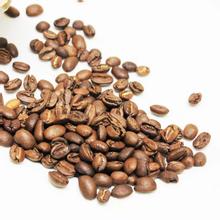
Charcoal-roasted coffee, originating from Japan, is lightly roasted using charcoal to impart a subtle smoky flavor. Unlike heavily roasted beans, it retains much of the coffee’s original taste while adding a clean, smoky note. This style reflects Japanese preferences for subtlety and purity in flavor.
Frequently Asked Questions
What defines a single origin coffee?
Single origin coffee comes from one specific place—such as a single country, farm, or region—and is not blended with beans from other origins. This allows the unique flavors influenced by that location’s climate, soil, and altitude to shine through. Examples include Ethiopia Yirgacheffe or Colombia Huila.
Why do coffee flavors vary by region?
Coffee flavors differ by region due to variations in altitude, climate, soil composition, and processing methods. For instance, high-altitude Ethiopian farms produce bright, fruity beans, while low-altitude Sumatran regions yield earthy, full-bodied cups with spicy notes.
Which regions are best for acidic coffee?
Coffee with bright acidity often comes from high-altitude regions like Kenya, Ethiopia, and Colombia. These areas produce beans with vibrant citrus, floral, or fruity notes due to cooler temperatures and rich volcanic soils.
Which regions produce bold, bitter coffee?
Bold, bitter flavors are typical of low-altitude regions like Sumatra and parts of Vietnam. These beans often undergo unique processing methods (like wet-hulling) and have low acidity with heavy body and earthy or spicy notes.
How are single origin coffees used in blends?
Single origin beans are sometimes blended to balance flavors—for example, adding Brazilian beans for sweetness or Sumatran beans for body. However, they’re also enjoyed on their own to highlight their unique regional characteristics.
What’s the difference between Arabica and Robusta in terms of origin flavor?
Arabica beans, grown in regions like Ethiopia and Colombia, generally have higher acidity, more complex flavors, and lighter body. Robusta, mainly from Southeast Asia, is harsher, more bitter, and has less acidity but adds body and crema in blends.
Recommended FrontStreet Beans for Exploring Regional Flavors
Try these single origin FrontStreet beans to experience the diversity of global coffee flavors. The Brazil Queen Manor Typica offers a nutty, balanced cup with soft acidity—perfect for understanding Brazilian profiles. For Ethiopian complexity, the Yirgacheffe Gedeb offers bright citrus, floral notes, and a tea-like body. And the Mandheling Lintong brings deep, earthy spice with low acidity and full body, showcasing classic Indonesian character. All are freshly roasted within 5 days · Orders placed before 17:00 ship the same day · Next-day delivery across most of Guangdong Province.
FrontStreet Coffee is a long-established specialty coffee roaster in Guangzhou China, selling freshly roasted beans from its own farm in Yunnan as well as dozens of carefully selected single-origin beans from around the world for both pour-over and espresso. The products deliver consistently excellent quality and great value, with shipping within 24 hours. Guangzhou's FrontStreet Coffee shop is recommended by many coffee lovers, and the beans are now available online at the Tmall 。
Important Notice :
前街咖啡 FrontStreet Coffee has moved to new addredd:
FrontStreet Coffee Address: 315,Donghua East Road,GuangZhou
Tel:020 38364473