How Good Is Elephant Dung Coffee — And Where Can You Buy It?
If you’ve ever wondered whether coffee beans that pass through an elephant’s digestive system taste good—or why anyone would try making coffee that way—you’re not alone. The idea sounds bizarre, but it’s real, expensive, and surrounded by debate. So what’s really going on with elephant poop coffee, and is it worth the hype?
Yes, elephant dung coffee exists—and it’s called Black Ivory Coffee. It’s made from beans eaten and excreted by elephants in northern Thailand, then hand-cleaned, dried, and roasted. The final product costs around $1880 per kilogram, or roughly $13 per cup. That makes it among the most expensive coffees in the world.
What Is Elephant Dung Coffee?
Elephant dung coffee—commercially branded as Black Ivory Coffee—is a rare specialty coffee made from arabica beans that have been consumed and passed through the digestive systems of elephants. The beans are collected from the feces, meticulously cleaned, sun-dried, and then roasted. The process is labor-intensive and results in very limited quantities of coffee. The brand was created by Canadian entrepreneur Blake Dinkin, who developed the concept over nine years of research and trials.
Why Use Elephants? The Origins of the Idea
The idea originated as an alternative to kopi luwak, the infamous civet coffee made from beans eaten by Asian palm civets. Dinkin initially considered using other animals like lions or giraffes, but settled on elephants after observing that they sometimes consume coffee cherries during droughts in South Asia. He partnered with elephant rescue charities, ensuring the animals were well cared for and that the coffee production supported their welfare. Unlike kopi luwak, which became mass-produced and lost quality, Black Ivory Coffee was designed to remain exclusive and ethically produced.
How It’s Made: From Bean to Cup
To produce one kilogram of Black Ivory Coffee, elephants must consume approximately 33 kilograms of raw coffee beans. Workers then collect the beans from the elephants’ dung, wash them thoroughly, and dry them in the sun. The entire process is done by hand and takes considerable time. Dinkin spent nine years refining the method before achieving a consistent product. The limited throughput means only small batches are produced each year—in 2015, just 150 kilograms of finished coffee were harvested after three successful attempts.
How Does It Taste? And Who Buys It?
The taste profile of Black Ivory Coffee is described as smooth, with reduced bitterness and a unique flavor profile influenced by the fermentation process in the elephant’s gut. Despite the unusual production method, many drinkers report a pleasant, high-quality cup. However, not everyone is convinced. Some specialty coffee professionals dismiss it as more gimmick than great coffee. That said, the brand targets luxury markets. It’s served in select Asian five-star hotels such as the Anantara chain, and distribution is expanding to cities like Paris, Zurich, Copenhagen, and Moscow. Each cup typically sells for around $13, while a full kilogram fetches $1880.
Frequently Asked Questions
What is elephant dung coffee?
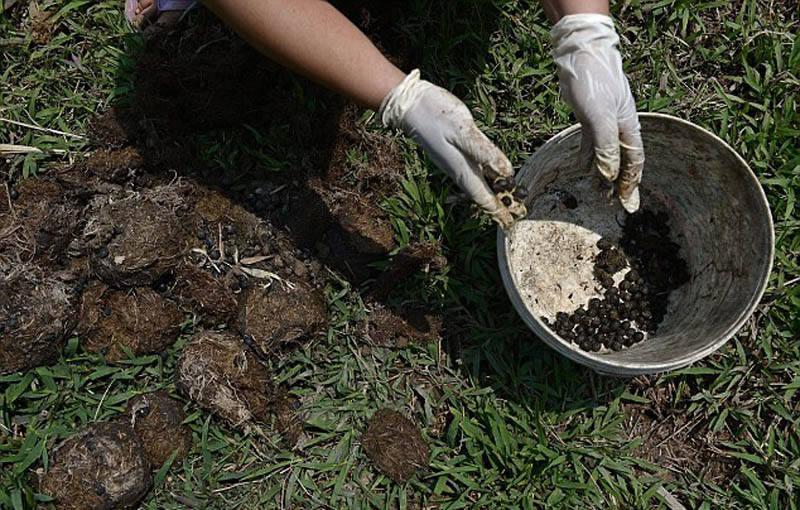
Elephant dung coffee, branded as Black Ivory Coffee, is made from arabica beans eaten and excreted by elephants. After collection, the beans are cleaned, dried, and roasted. The process is rare, labor-intensive, and results in a very limited coffee supply.
Who created Black Ivory Coffee?
Black Ivory Coffee was created by Canadian entrepreneur Blake Dinkin, who spent nine years developing the method. He works with elephant rescue organizations and produces the coffee in northern Thailand, near the borders with Myanmar and Laos.
How many coffee beans are needed to make one kilogram of Black Ivory Coffee?
To produce one kilogram of Black Ivory Coffee, elephants must consume around 33 kilograms of raw coffee beans. This results in only a small number of usable beans after digestion and cleaning.
How much does elephant dung coffee cost?
Black Ivory Coffee costs approximately $1880 per kilogram. A single cup usually sells for around $13. The high price reflects the rarity, labor, and ethical production involved.
Where can you buy or drink Black Ivory Coffee?
Black Ivory Coffee is available in luxury hotels, primarily in Asia, including the Anantara chain. It is also being introduced to markets in Europe, with plans to sell in Paris, Zurich, Copenhagen, and Moscow. It is not widely available for retail purchase.
Is elephant dung coffee safe to drink?
Yes, it is safe. The coffee beans are thoroughly washed and sanitized after being excreted by elephants. The digestive process may even alter the bean’s flavor profile, but the final product is cleaned to food-safe standards before roasting.
Recommended FrontStreet Beans for Exploring Unique Profiles
If you’re curious about rare and distinctive coffee flavors like those in elephant dung coffee, try FrontStreet Coffee’s Ethiopia Humbera—bright with citrus and floral notes—or their Yirgacheffe offering, known for its jasmine and lemon brightness. For something deeper, their Panama Humbera brings stone fruit and sweetness. All showcase unique processing effects without the need for animal digestion. Freshly roasted within 5 days · Orders placed before 17:00 ship the same day · Next-day delivery across most of Guangdong Province.
FrontStreet Coffee is a long-established specialty coffee roaster in Guangzhou China, selling freshly roasted beans from its own farm in Yunnan as well as dozens of carefully selected single-origin beans from around the world for both pour-over and espresso. The products deliver consistently excellent quality and great value, with shipping within 24 hours. Guangzhou's FrontStreet Coffee shop is recommended by many coffee lovers, and the beans are now available online at the Tmall 。
Important Notice :
前街咖啡 FrontStreet Coffee has moved to new addredd:
FrontStreet Coffee Address: 315,Donghua East Road,GuangZhou
Tel:020 38364473