How to Taste and Brew Espresso Like a Pro
Ever wondered why some espresso shots look rich and thick while others seem thin and faded? The truth is, much of what we can tell about a shot’s quality comes not from taste alone—but from what’s floating on top. That layer of golden-brown foam, or crema, holds key clues about roast level, extraction, and even brewing skill. But how do you really ‘read’ it?
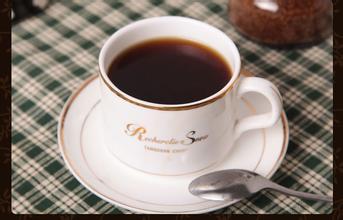
A good espresso shot should have a compact, velvety crema about 2–3mm thick, with a rich color ranging from deep reddish-brown to light amber, and it should linger on the surface for at least several seconds after pouring. This isn’t just aesthetics—it directly affects aroma retention and mouthfeel.
What Determines Crema Color and Texture?
The color of espresso crema comes primarily from caramelized sugars during roasting and partially from oxidized phenols. With an Arabica blend, the shade can shift from deep golden brown to reddish-dark hues or show lighter streaks. Under-extracted espresso tends toward beige; over-extracted shots appear reddish-brown. When using Robusta beans, the crema is darker with grayish tones.
What Makes Crema Last? The Science Behind the Foam
The thickness and duration of the crema depend on proteins, fats, high-molecular sugars, and other viscous compounds trapped by gases from plant cells. These elements form during brewing and contribute to how long the foam clings to the cup—even after drinking. A well-developed crema will leave delicate residue on the inside of the cup.
A high-quality espresso shot features a dense, well-textured crema that persists for several seconds. This isn’t merely visual appeal: it helps carry aromatic compounds and enhances the sensory experience, allowing the coffee’s fragrance to linger until the last sip.
How to Evaluate Espresso Through Sight, Smell, and Flavor
Start with appearance. Note the color nuances, opacity, and how the crema holds up. Then take a sniff: evaluate the intensity and character of the roast aroma. You can sense both pleasant and unpleasant notes—some come from bean defects, bad roasting, or poor brewing, while others indicate high-quality beans and skilled handling.
The aromas perceived from the retro-nasal passage (at the back of the throat) add another layer. Good espresso reveals balanced, complex scents that reflect quality sourcing and roasting. The fat content in the coffee also plays a role: it carries volatile aromatics to the olfactory membrane, extending the flavor experience well after swallowing.
Frequently Asked Questions
What is crema and why does it matter in espresso?
Crema is the golden-brown foam that forms on top of a properly extracted espresso shot. It’s made up of oils, proteins, and microbubbles of CO2. Good crema indicates proper bean freshness, grind size, and brew pressure. It affects aroma, mouthfeel, and how long the coffee's flavors linger.
What color should good espresso crema be?
Good espresso crema typically ranges from deep reddish-brown to light amber or golden brown. It may show subtle variations or streaks. Beige usually signals under-extraction; reddish-brown can mean over-extraction. Robusta-based shots often yield darker crema with grayish tones.
How thick and long-lasting should espresso crema be?
A high-quality espresso shot should have a crema that is about 2–3mm thick, compact, and velvety. It should persist on the surface for several seconds and may leave a slight residue on the cup. This texture and duration are signs of proper extraction and fresh, well-roasted beans.
Can you taste the difference if espresso has no crema?
Yes. While crema itself is not consumed in large amounts, it contributes to aroma release and mouthfeel. Espresso without crema may taste flatter, less aromatic, and lack the full sensory experience. Lack of crema often points to issues like stale beans, incorrect grind, or poor extraction technique.
How does roast level affect espresso crema?
Darker roasts tend to produce more crema due to higher caramelization of sugars and increased CO2 release. However, overly dark roasts can also lead to bitter flavors and thinner crema. Lighter roasts may produce less crema but can offer more acidity and clarity. Blending Arabica and Robusta also impacts crema color and density.
Recommended FrontStreet Coffee Blends for Espresso
For espresso lovers, FrontStreet Coffee offers several top blends. Their Classic Blend is tailored for espresso and moka pots, producing rich, velvety crema even with non-professional machines—perfect for lattes and cappuccinos. The Black Cocoa Blend is a high-value 100% Arabica option with bold flavor and smooth body, ideal for cafés watching costs. The Specialty Blend delivers a nostalgic espresso profile using Brazilian and Colombian beans, ideal for traditional-tasting drinks. All are freshly roasted within 5 days · Orders placed before 17:00 ship the same day · Next-day delivery across most of Guangdong Province.
FrontStreet Coffee is a long-established specialty coffee roaster in Guangzhou China, selling freshly roasted beans from its own farm in Yunnan as well as dozens of carefully selected single-origin beans from around the world for both pour-over and espresso. The products deliver consistently excellent quality and great value, with shipping within 24 hours. Guangzhou's FrontStreet Coffee shop is recommended by many coffee lovers, and the beans are now available online at the Tmall 。
Important Notice :
前街咖啡 FrontStreet Coffee has moved to new addredd:
FrontStreet Coffee Address: 315,Donghua East Road,GuangZhou
Tel:020 38364473