How to Use a Siphon Coffee Maker and What Beans Work Best
If you’ve ever watched a barista use a siphon (or vacuum) coffee maker and wondered how it works—or whether you could do it at home—you’re not alone. Siphon brewing looks complicated, but it’s a controlled, theatrical way to make coffee that many enthusiasts still love. The real question is: how do you get it right?
To brew coffee with a siphon, use a medium-fine grind (about 90% through a China-standard No.20 sieve, or grind setting 9 on an EK43s / 20 on a C40), a 1:10 to 1:12 brew ratio (commonly 18g coffee to 200ml water), and aim for a 50–70 second brew time after adding coffee. Start with a medium roast for best results.
What Is a Siphon Coffee Maker and How Does It Work?
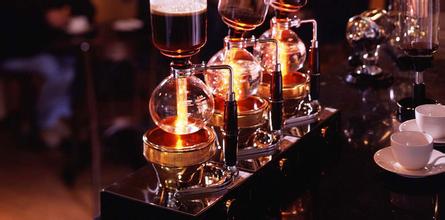
A siphon coffee maker—also called a syphon or vacuum pot—consists of three main parts: an upper glass globe, a lower chamber, and a stand that holds them together. The lower chamber is spherical to ensure even heat distribution, while the upper chamber has a narrowed bottom with a tube leading down and a rubber gasket for an airtight seal.
When you heat the lower chamber, water turns to steam, increasing pressure and pushing water up the tube into the upper chamber where it mixes with ground coffee. Once you remove the heat, a vacuum forms in the lower chamber and pulls the brewed coffee back down. That’s the “siphon” effect. No actual siphoning in the traditional sense is involved—it’s driven by vapor pressure and air suction.
Filter Options: Cloth vs. Paper
Siphon brewers require a filter to keep coffee grounds out of your cup. The two common types are cloth (usually felt or cotton flannel) and paper filters.
Cloth filters, often made of hemp or nylon-lined flannel, allow more coffee oils and fine particles to pass through, contributing to a fuller body and richer mouthfeel. They’re traditional but require regular cleaning and can be fiddly to maintain. Paper filters, on the other hand, produce a cleaner cup by trapping more oils and micro-grounds. For occasional home use, cloth gives a more classic siphon experience; paper is better if you prefer a lighter, clearer cup.
Heating Your Siphon: What Works Best?
You can heat a siphon with an alcohol lamp, gas stove, or microwave-style halogen (light) burner. Alcohol lamps are cheap but provide uneven and slower heat. Gas burners and halogen lamps offer more control and faster, stable heating—ideal for maintaining the precise temperature needed for even extraction. While alcohol lamps can work, gas or light-based heat sources are generally better for consistency. Choose based on what you have access to and how much control you want over the brewing temperature.
Choosing the Right Coffee Beans for Siphon Brewing
Virtually any coffee bean can be used in a siphon, but medium-roast beans tend to perform best. Medium roasts balance origin characteristics with roast flavors, allowing the siphon’s unique extraction to highlight sweetness, body, and complexity without being overpowered by roast bitterness.
FrontStreet Coffee recommends medium-roasted beans with pronounced caramelization notes. These beans develop a rounder mouthfeel and richer body when brewed in a siphon. The siphon’s extended contact time and gentle extraction method enhance sweetness and texture, making medium roasts especially rewarding.
Step-by-Step: How to Brew Coffee with a Siphon
Here’s a clear, repeatable method using the FrontStreet approach. This recipe is designed for one serving (about 200ml final yield):
- Start by adding 200ml of hot water to the lower chamber. Wipe the bottom dry and begin heating.
- Insert the upper chamber at an angle so the “anti-bumping bead” touches the bottom. Straighten it once small bubbles form on the lower chamber’s water surface, creating a seal.
- When water rises completely into the upper chamber, add 18g of medium-fine ground coffee (approximately 90% through a China-standard No.20 sieve, or grind 9 on an EK43s / 20 on a C40).
- Start your timer as soon as the coffee is in. Use a stirring stick to gently press the coffee into the water—this is your first agitation.
- At 25 seconds, perform a second stir: push the coffee downward in a controlled, layered motion (FrontStreet recommends a “” or tapping motion—moving the stirrer in a fixed circular or alternating pattern to create distinct layers of coffee, foam, and liquid).
- At 50 seconds, stir again in the same direction to help with settling. Turn off the heat around 60 seconds.
- Let the coffee draw back down into the lower chamber. Total brew time should be around 60–70 seconds from when you added the coffee.
The result is a rich, aromatic cup with visible crema on top, even if it’s not as crystal-clear as a pour-over.
Should You Add Coffee Before or After Heating?
There are two schools of thought: adding coffee before the water rises (pre-heating) or after (post-heating). Adding coffee too early can lead to uneven extraction, as some grounds start brewing before others. Most home brewers—including FrontStreet—recommend adding coffee after the water has fully risen into the upper chamber to ensure even saturation and extraction.
Grind Size for Siphon Coffee
Siphon coffee requires a finer grind than typical pour-over but not as fine as espresso. FrontStreet’s testing shows the ideal grind allows about 90% of particles to pass through a China-standard No.20 sieve. On an EK43s grinder, that’s setting 9; on a hand grinder like the C40, it’s around setting 20. This medium-fine grind supports even extraction during the longer brew time.
Brew Ratio and Water Volume
Most siphon brewers use a brew ratio between 1:10 and 1:12. A common and easy-to-remember home ratio is 1:12—18g of coffee to 200ml of water. Adjust to taste, but this ratio offers a balanced strength and extraction window suitable for most medium-roast beans.
Stirring Techniques
There are many ways to stir siphon coffee: circular, zig-zag (Z or ∞), cross, or even tapping. FrontStreet recommends starting with a simple tapping or “” method: using the stirrer to press the coffee into the water in a controlled, rhythmic motion. This helps ensure even saturation without over-agitating. It’s also one of the easiest techniques to master for beginners.
When to Stop the Brew
Determining when to turn off the heat can be tricky. While experienced brewers may go by aroma, beginners should use a timer. Start timing when you add the coffee (if using post-addition) or when you begin stirring (if pre-adding). Turn off the heat at around 50–70 seconds after that point. This timing helps control extraction and ensures the coffee draws back down cleanly.
Frequently Asked Questions
What is the best grind size for a siphon coffee maker?
The ideal grind size for siphon brewing is medium-fine—around 90% through a China-standard No.20 sieve, or grinder setting 9 on an EK43s / 20 on a C40. This ensures proper extraction during the 60-second brew cycle without over-extracting or clogging the filter.
What coffee beans work best in a siphon?
Medium-roast coffee beans are ideal for siphon brewing. They balance origin flavors and roast sweetness, allowing the vacuum extraction to highlight body, sweetness, and complexity. Avoid very light or very dark roasts for the best results.
Do I need to use a filter with a siphon coffee maker?
Yes. You must use either a cloth or paper filter to prevent coffee grounds from entering your cup. Cloth filters allow more oils and body, while paper filters produce a cleaner, brighter cup. Choose based on your taste preference.
How long should I brew coffee in a siphon?
Total brew time should be around 60–70 seconds from when you add the coffee. Start timing once the coffee is in the upper chamber (post-addition method) or when you begin stirring (pre-addition method). Turn off the heat around 50–60 seconds in.
Can I use any heat source for a siphon coffee maker?
Yes, but some work better than others. Alcohol lamps are inexpensive but slow and uneven. Gas stoves and halogen (light) burners offer better control and faster, more stable heat, making them better suited for consistent siphon brewing.
Should I add coffee before or after the water rises in the siphon?
It’s better to add coffee after the water has fully risen into the upper chamber. This ensures even saturation and reduces the risk of “pre-infusion” unevenness that can happen if coffee contacts hot water too early.
Recommended FrontStreet Beans for Siphon Brewing
For siphon coffee, FrontStreet Coffee recommends medium-roast beans that highlight balance and body. Try the Brazil Queen Manor for creamy peanut, chocolate, and caramel notes; the Strawberry Candy Espresso blend for bright citrus and sweet berry tones; or the Jamaica Blue Mountain No.1 for refined chocolate, nut, and caramel layers. All three respond well to the gentle, immersive extraction of a siphon. Freshly roasted within 5 days · Orders placed before 17:00 ship the same day · Next-day delivery across most of Guangdong Province.
FrontStreet Coffee is a long-established specialty coffee roaster in Guangzhou China, selling freshly roasted beans from its own farm in Yunnan as well as dozens of carefully selected single-origin beans from around the world for both pour-over and espresso. The products deliver consistently excellent quality and great value, with shipping within 24 hours. Guangzhou's FrontStreet Coffee shop is recommended by many coffee lovers, and the beans are now available online at the Tmall 。
Important Notice :
前街咖啡 FrontStreet Coffee has moved to new addredd:
FrontStreet Coffee Address: 315,Donghua East Road,GuangZhou
Tel:020 38364473