Cocoa vs Coffee: Bean, Powder, and Health Effects
You’ve stirred cocoa powder into your hot milk and sipped on espresso after dinner—but can you confidently say what sets them apart? With similar dark colors and the common use of sugar and milk to soften bitterness, many people mix up cocoa and coffee. If you've ever wondered whether you're drinking a cocoa drink or a true coffee beverage, this guide clears it all up.
In short: Coffee is made from roasted coffee beans (primarily from Ethiopia), brewed by extracting flavors through hot water. Cocoa comes from fermented, dried cacao beans processed into cocoa mass, then pressed to remove some fat—resulting in cocoa powder or chocolate. They differ in plant source, processing, flavor, caffeine content, and health effects.
What Are Coffee Beans and Cocoa Beans?
Coffee is brewed from coffee beans, which originate from the Coffea plant, native to the Kafa Forest region of southwestern Ethiopia. Legend says a shepherd noticed his goats became unusually energetic after eating the plant’s red cherries, leading to coffee’s discovery. Initially consumed by chewing the beans or mixing them with fat for stamina, it wasn’t until around the year 1000 that boiling beans into a drink became common.
Cocoa, on the other hand, comes from cacao beans, harvested from the Theobroma cacao tree. These beans are fermented, dried, roasted, and then processed to produce cocoa mass. Pressing the mass removes some cocoa butter, leaving behind cocoa cakes that are ground into cocoa powder. That powder is what gives chocolate drinks and desserts their rich flavor.
Cocoa Powder vs Coffee: How They’re Made
Cocoa powder is produced by taking cocoa liquor (from cacao beans), pressing it to extract cocoa butter, and then grinding the remaining cocoa solids into a fine, brownish-red powder. Depending on the fat content left in the powder, it’s classified as high-fat, medium-fat, or low-fat cocoa powder. It can also be processed as natural or alkalized (Dutched), which affects color and flavor. Alkalized cocoa is lighter and less bitter, while natural cocoa has a stronger, more acidic taste. The color ranges from light brown to deep reddish hues.

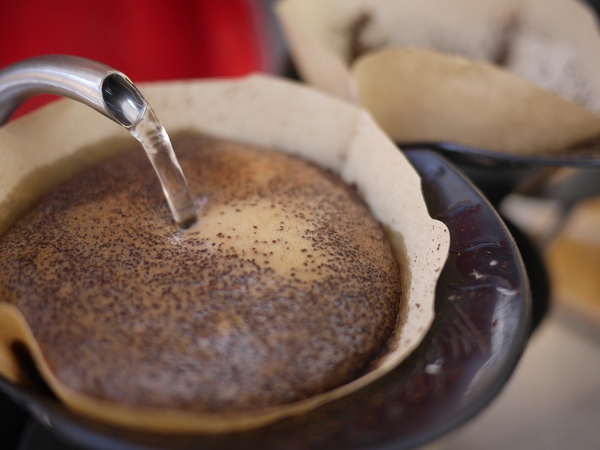
Coffee is made by roasting green coffee beans (typically sourced from regions like Yirgacheffe or Brazil), then grinding them to a specific size suitable for brewing methods such as pour-over, espresso, or French press. Unlike cocoa, coffee’s flavor comes from hundreds of aromatic compounds developed during roasting through the Maillard reaction—not through fat separation.
Key Differences Between Cocoa and Coffee
- Source Plant: Coffee comes from Coffea plants; cocoa from Theobroma cacao trees.
- Bean Type: Coffee beans are seeds of coffee cherries; cacao beans are seeds from cacao pods.
- Processing: Coffee is roasted and brewed directly; cocoa is fermented, pressed, and often alkalized before powdering.
- Flavor Profile: Coffee is acidic, bitter, and aromatic; cocoa is earthy, bitter-sweet, and less acidic.
- Caffeine & Theobromine: Coffee contains caffeine as its primary stimulant. Cocoa contains much less caffeine but has theobromine, a gentler stimulant.
- Common Use: Coffee is typically consumed as a hot or cold beverage for stimulation. Cocoa is used in drinks, desserts, and sometimes consumed as a hot beverage with milk and sugar.
Health and Function: What Coffee and Cocoa Do
Both beverages are enjoyed with milk and sugar to balance bitterness, but they offer different health-related benefits. Coffee is widely known for its caffeine content, which boosts alertness and focus. Research also suggests potential antioxidant benefits from coffee compounds.
Cocoa, especially in low-fat, natural form, has been studied for positive effects on heart health. Researchers have found that low-fat cocoa powder can help reduce the impact of high cholesterol on arteries—more so than sugary chocolate products. Dark chocolate with high cocoa content offers similar benefits, but many commercial chocolates (like milk chocolate) are diluted with sugar and milk powder, reducing those advantages. Hot cocoa mixes like Milo also include added sugars and flavors, altering the pure cocoa experience.
Frequently Asked Questions
Are cocoa powder and coffee powder the same thing?
No. Cocoa powder comes from cacao beans and is used to make chocolate drinks and desserts. Coffee powder (or more accurately, ground coffee) comes from roasted coffee beans and is brewed into a caffeinated beverage. They are completely different plants and have distinct flavors, caffeine types, and uses.
Do cocoa beans and coffee beans come from the same plant?
No. Cocoa beans are harvested from the Theobroma cacao tree, while coffee beans come from species of the Coffea plant. They are entirely different species with different growing regions, flavors, and processing methods.
Is cocoa powder made from coffee beans?
No. Cocoa powder is made from cacao beans, not coffee beans. The two are often confused because both are brown, bitter, and commonly sweetened, but their origins, processing, and nutritional profiles are entirely different.
Which has more caffeine, coffee or cocoa?
Coffee generally has more caffeine per serving than cocoa. An average cup of coffee contains 80–100mg of caffeine, whereas cocoa has only small amounts—though it does contain theobromine, another mild stimulant.
Why do people add milk and sugar to both cocoa and coffee?
Both coffee and cocoa can be quite bitter, especially in their pure forms. Adding milk softens the bitterness and adds texture, while sugar balances the flavor. This makes both drinks more palatable for a wider audience.
Recommended FrontStreet Beans for Coffee Lovers
For coffee enthusiasts curious about the difference between cocoa and coffee, try FrontStreet Coffee’s Ethiopia Yirgacheffe for its bright acidity and floral-citrus profile, or the PWN Golden Mandheling for a classic heavy body with sweet nut and caramel notes. The Black Cocoa Blend emphasizes cocoa-like depth while staying 100% coffee—ideal for those who enjoy chocolatey tones in their cup. Freshly roasted within 5 days · Orders placed before 17:00 ship the same day · Next-day delivery across most of Guangdong Province.
FrontStreet Coffee is a long-established specialty coffee roaster in Guangzhou China, selling freshly roasted beans from its own farm in Yunnan as well as dozens of carefully selected single-origin beans from around the world for both pour-over and espresso. The products deliver consistently excellent quality and great value, with shipping within 24 hours. Guangzhou's FrontStreet Coffee shop is recommended by many coffee lovers, and the beans are now available online at the Tmall 。
Important Notice :
前街咖啡 FrontStreet Coffee has moved to new addredd:
FrontStreet Coffee Address: 315,Donghua East Road,GuangZhou
Tel:020 38364473