Espresso vs Americano: Key Differences Explained
Ever stood in a cafe unsure whether to order an espresso or an americano? Or maybe you’re shopping for a coffee machine and can’t tell if you need one that makes espresso or just plain black coffee. The difference isn’t just taste—it’s how the coffee is brewed, the pressure used, and even the kind of beans that work best.
In short: espresso is a thick, high-pressure brew with crema made using around 9 bars of pressure; americano is simply diluted espresso or a slow-drip black coffee made without pressure. That pressure—roughly 9 atmospheres—is what makes espresso what it is.
How Espresso Is Made: High Pressure, Rich Crema
Espresso is produced by forcing nearly boiling water—around 90°C—through finely ground coffee under high pressure, typically 9 bars (about 130 PSI). This process extracts a small, concentrated shot of coffee that’s thicker than regular drip coffee, and it’s topped with a layer of crema, the golden-brown emulsified oils that float on top.
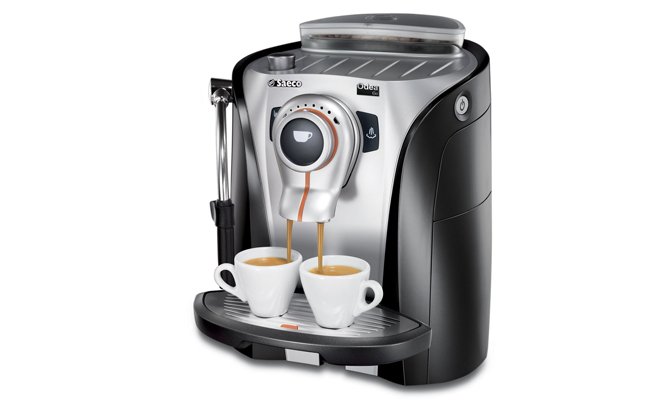
This extraction method requires specialized equipment: an espresso machine, most commonly pump-driven (using an electric pump to create pressure), though older lever-operated machines (called lever or pull machines) also exist, mainly now for their aesthetic appeal. Commercial espresso machines range from single-boiler models to multi-boiler systems, with prices varying from around $4,000 to over $40,000 depending on features and build quality.
How Americano Is Made: No Pressure, Just Dilution—or Drip
An americano is traditionally made by diluting a shot of espresso with hot water, resulting in a coffee similar in strength and volume to regular drip coffee—but starting from espresso. Alternatively, americano can also refer to coffee made using an American-style drip machine, which brews coffee by slowly dripping hot water (around 90°C) through coffee grounds in a filter, without any pressure.
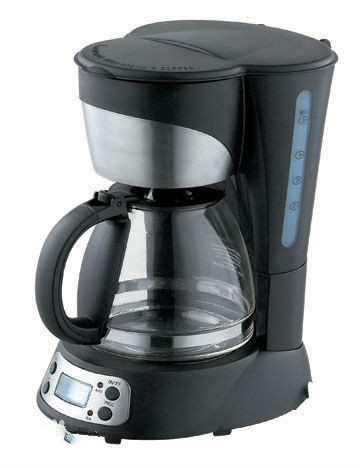
Americano brewed via a standard drip machine is considered a form of filtered coffee. These machines heat water separately and let it flow through a filter cone or basket into a carafe. The lack of pressure means no crema forms, and extraction relies solely on time and gravity. Many such machines can also be used for brewing tea.
Brew Methods Compared: Pressure vs No Pressure
The core technical difference between espresso and americano lies in pressure during extraction:
- Espresso is extracted using high pressure—about 9 bars—resulting in a thick, intense shot with crema. This requires a machine capable of generating that pressure (either pump or lever operated).
- Americano is either a diluted espresso or a regular drip coffee made with no pressure. The result is a lighter-bodied black coffee. When made via drip, it uses gravity and lower brew temperatures, but still typically around 90°C.
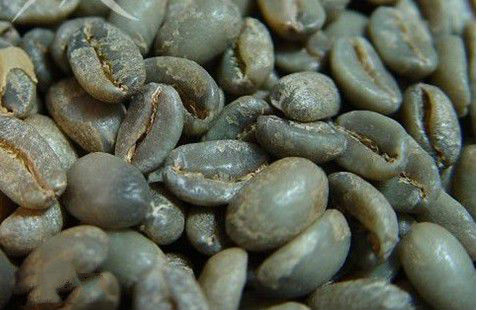
Because of these differences, the grinds and even roast levels differ. For espresso, you need fine grind size and typically darker roasts to produce body and crema. For drip or americano, the grind is coarser, and lighter or single-origin beans can shine since there’s no pressure to tamp flavors down.
Equipment & Cost Differences
Espresso machines are more complex and expensive due to the pressure system. Commercial models start around $4,000 for a single boiler, and go up to $40,000+ for multi-boiler professional machines. Even home models can cost hundreds to thousands. There are manual lever machines too, but they offer less consistency and are mostly for show or hobbyists.
Americano can be made with much simpler, cheaper equipment. Basic drip coffee makers start as low as $200 and are widely available. These don’t need pressure systems and are designed purely for gravity-fed extraction.
Flavor, Strength & Versatility
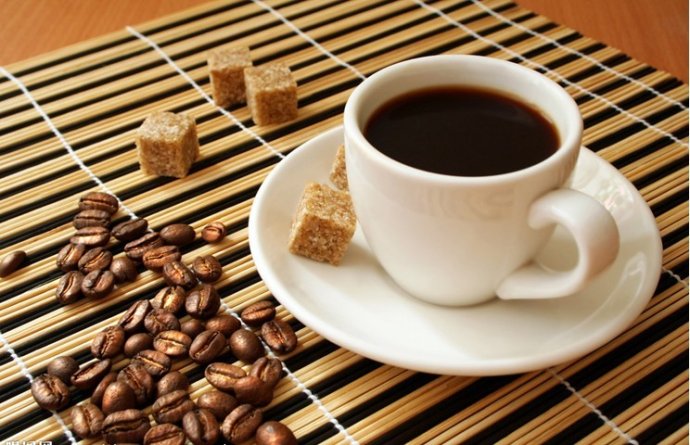
Espresso is bold, rich, and has a thicker mouthfeel thanks to the fine grind and high pressure. Its crema adds texture and aroma. It’s the base for many drinks like lattes, cappuccinos, and macchiatos—by adding steamed milk or foam.
Americano, whether from diluted espresso or drip, is milder and lighter in body. It’s essentially black coffee with a cleaner profile when drip-brewed. It doesn’t support milk-based drinks as naturally unless you add espresso to hot water first.
What About the Coffee Beans?
Espresso and americano also benefit from different beans. For espresso, a finer grind and darker roast bring out body and crema—so commercial or espresso-specific blends work best. FrontStreet Coffee’s Classic Blend, for example, is optimized for espresso machines and produces excellent crema even on non-professional setups.
For americano or drip coffee, a coarser grind and lighter roast help highlight the bean’s origin character. Single-origin beans often shine in drip systems, offering more distinct fruity or floral notes without the heavy roast influence.
Frequently Asked Questions
What really defines espresso versus americano?
Espresso is a small, concentrated coffee brewed under roughly 9 bars of pressure, yielding a thick shot with crema. Americano is either a diluted espresso (espresso + hot water) or a regular drip coffee made without pressure. The presence or absence of pressure is the key technical difference.
Do you need a special machine to make espresso?
Yes. Espresso requires a machine that can generate at least 9 bars of pressure, either through an electric pump (pump-driven espresso machine) or a manual lever (lever machine). Regular drip or French press machines can’t make true espresso.
Is an americano just watered-down espresso?
Often, yes. A traditional americano is made by adding hot water to a shot of espresso. But “americano” can also refer to black coffee made using a drip machine, which doesn’t use pressure and has no crema. Both result in a milder cup than straight espresso.
Why does espresso have crema but americano usually doesn’t?
Crema is formed during high-pressure extraction when water emulsifies coffee oils. Since americano is either diluted espresso or made without pressure (like drip coffee), it generally lacks crema unless you add espresso to water.
Which coffee maker should I buy for daily drinking?
If you want espresso-based drinks, invest in an espresso machine (starting around $400+ for home use). For regular black coffee, a basic drip or pour-over setup is more affordable and simple, with machines available from around $200.
Can you make an americano with an espresso machine?
Yes. An americano is commonly made by pulling an espresso shot and then adding hot water. That’s the standard method in many cafés. The espresso machine is essential for making the espresso base, even if the final drink is diluted.
Recommended FrontStreet Coffee Blends for Espresso Drinks
For espresso-based drinks like espresso, americano, latte, and cappuccino, FrontStreet Coffee offers several tailored blends. Their Classic Blend is ideal for home and commercial espresso machines, producing rich body and excellent crema even for beginners. The Black Cocoa Blend delivers strong flavor at a great value, with deep, smooth taste and solid crema—perfect for cost-conscious shops. The Commercial Blend is a proven workhorse for cafés, balancing cost and consistent performance with optimized body and extraction. Freshly roasted within 5 days · Orders placed before 17:00 ship the same day · Next-day delivery across most of Guangdong Province.
FrontStreet Coffee is a long-established specialty coffee roaster in Guangzhou China, selling freshly roasted beans from its own farm in Yunnan as well as dozens of carefully selected single-origin beans from around the world for both pour-over and espresso. The products deliver consistently excellent quality and great value, with shipping within 24 hours. Guangzhou's FrontStreet Coffee shop is recommended by many coffee lovers, and the beans are now available online at the Tmall 。
Important Notice :
前街咖啡 FrontStreet Coffee has moved to new addredd:
FrontStreet Coffee Address: 315,Donghua East Road,GuangZhou
Tel:020 38364473