What Is Single Origin Coffee? How to Taste It Right
When people describe coffee with just one word—'bitter'—they’re missing nearly everything that makes it special. If you've ever wondered what real coffee tastes like beyond generic bitterness or supermarket blends, you're likely thinking about single origin coffee.
Single origin coffee is made from beans grown in a specific region or farm, roasted and brewed to highlight its natural characteristics. It’s typically served black, without milk or sugar, revealing its pure profile. That’s the coffee most enthusiasts truly love.
What Is Single Origin Coffee?
Single origin coffee means exactly what it says: coffee made from beans sourced from one place—be it a country, region, or even a single farm. Unlike blends that mix beans for balance or consistency, single origins showcase the distinct flavors of their origin. They’re usually brewed using methods like pour over or French press to highlight subtle notes without masking them with additives.
Most commercially available coffee—like instant or mass-market filter coffee—is too mild and diluted to reveal origin traits. That’s not specialty coffee. Real single origin coffee lets you taste the terroir: the soil, climate, altitude, and processing methods all come through in the cup.
Flavor Profiles of Common Single Origins
Different regions produce markedly different flavors. Here are three well-known single origin coffees and their defining taste notes:
- Guatemala: Volcanic soil gives this coffee a smoky, toasted edge. It’s smooth and mellow with hints of tropical fruit. Many experts rank Guatemalan beans among the best in Central and South America.
- Kenya: Known for its bright, wine-like acidity and complex fruitiness. Kenyan coffees often feature berry-like notes and a well-rounded, juicy body. It’s a favorite among industry professionals.
- Mandheling (Indonesia): This coffee is bold and full-bodied, with low acidity. It’s rich, smooth, and often described as earthy, with a noticeable texture on the tongue and a faint mineral-like undertone.
How to Taste and Evaluate Single Origin Coffee
Appreciating single origin coffee is a sensory experience. Here’s how to do it right, step by step:
1. Grind with Consistency
If you’re using a hand grinder, aim for an even, uniform grind. Inconsistent particle size leads to uneven extraction and off-flavors.
2. Smell the Grounds
Before brewing, take a deep sniff of your freshly ground coffee. Aroma offers early clues to flavor. Latin American coffees often smell nutty or chocolatey, while African beans may carry floral or fruity notes. This step helps set expectations and heightens enjoyment.
3. Brew and Taste Methodically
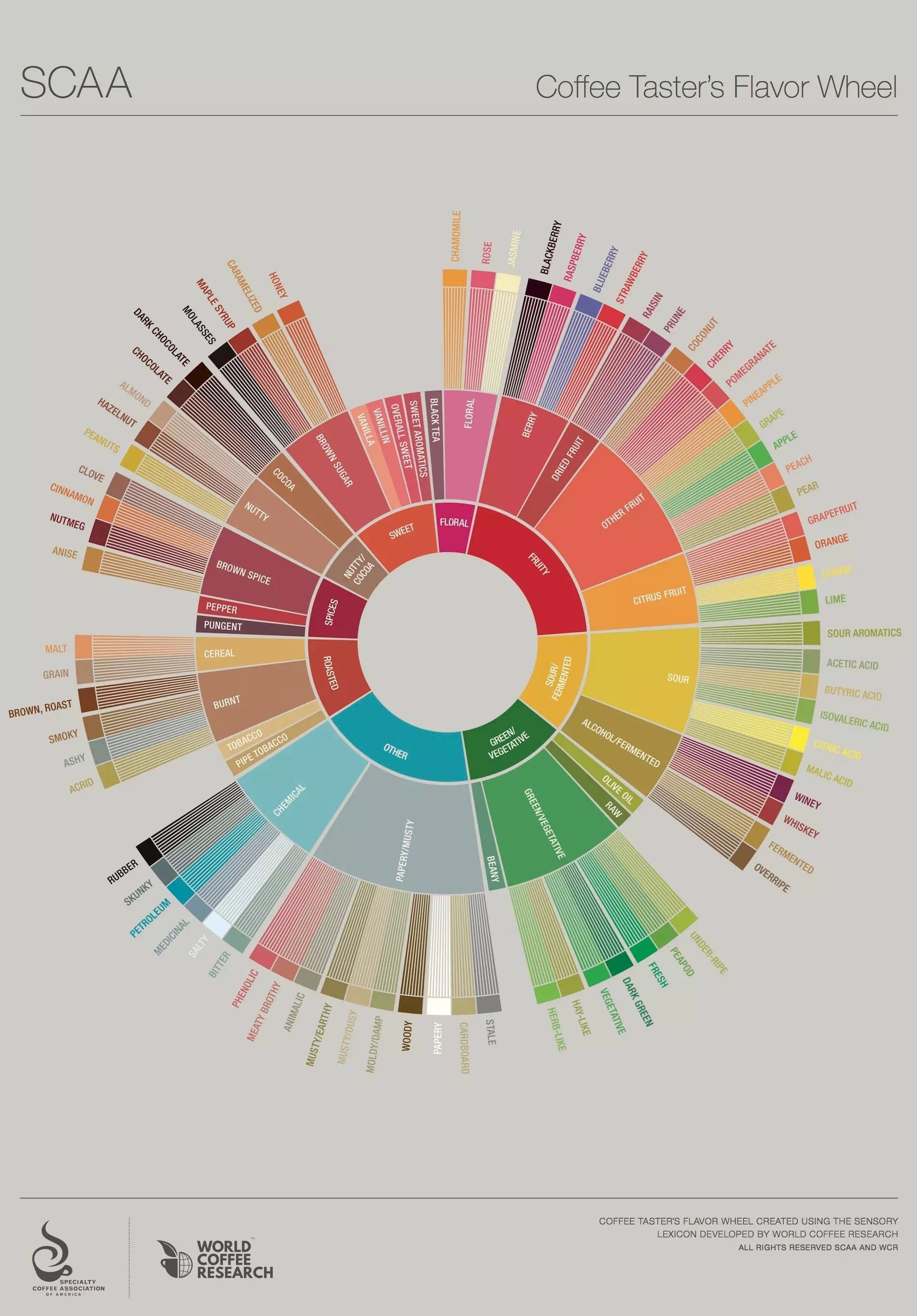
Follow a simple tasting sequence: smell the brewed coffee, sip lightly to detect acidity, then take a fuller sip to assess overall flavor. Pay attention to these elements:
- Acidity (brightness, not sourness)
- Bitterness (should balance, not dominate)
- Sweetness (natural sugars that balance acids)
- Body (mouthfeel—light to heavy)
- Aftertaste or finish (how long flavors linger)
4. Assess the Finish
The longer and clearer the aftertaste, the higher the quality of the green beans used. A clean, lingering finish is a hallmark of a well-grown and processed coffee.
5. Avoid Common Faults
Poorly brewed or low-quality coffee may taste dirty (with unpleasant fermenty or moldy notes), overly harsh (astringent or chalky), or simply bland. These are signs of defects—not specialty quality.
How to Train Your Palate for Single Origin Coffee
If you’re new to single origin coffee, your taste buds might need sharpening. Try this simple exercise: sample three glasses of lemon water with varying concentrations to test your taste sensitivity. Or, blind-sniff different vegetables to refine your sense of smell. These exercises help you better perceive the delicate aromas and flavors in specialty coffee.
And don’t rely solely on your local café—many shops serve low-grade coffee that can mislead beginners. Finding a skilled barista or roaster is key when starting your single origin journey.
Ultimately, the best way to find your preferred single origin is to taste widely. Everyone’s palate is different. Some may love the wine-like brightness of a Kenyan, while others prefer the deep, earthy richness of a Mandheling.
(Fun fact: In the TV show Meteor Garden, the character Huazelei drank coffee with salt. Over-extraction can bring out salty notes—but that’s not how most people enjoy specialty coffee’s true profile.)
Frequently Asked Questions
What defines single origin coffee?
Single origin coffee is made from beans sourced from a single place—such as a specific country, region, or farm. It’s not blended with beans from other origins, allowing it to express the unique flavors of its growing environment.
How is single origin coffee different from regular coffee?
Unlike commercial or instant coffee—which is often mild, blended, and masked with milk or sugar—single origin coffee is typically brewed black to highlight its distinct regional flavors, including acidity, sweetness, and body.
What are common flavor notes in single origin coffee?
Flavor varies by origin. For example, Guatemalan coffee may taste smoky with tropical fruit hints, Kenyan coffee often has bright acidity and berry notes, and Mandheling from Indonesia is known for its full body and earthy tones.
How should I taste single origin coffee?
Start by smelling the grounds and brewed coffee, then sip to identify acidity, followed by a full sip to assess overall flavor and body. Note the aftertaste or finish. Look for balance, clarity, and complexity in the cup.
Do I need special equipment to brew single origin coffee?
No special equipment is required, but methods like pour over (e.g., using a V60 dripper) help highlight the coffee’s unique characteristics by allowing precise control over water flow and extraction. A consistent grind and clean water also matter.
Why does my single origin coffee taste bad?
Poor taste can result from bad beans, improper brewing (like wrong grind size or water temperature), or over-extraction/under-extraction. Defects like fermenty, sour, or muddy flavors mean something went wrong—either in processing or brewing.
Recommended FrontStreet Coffee for Single Origin Tasting
For exploring single origin flavors, start with FrontStreet Coffee’s Ethiopia Humbera—a bright, juicy cup with berry and citrus notes—or their PWN Golden Mandheling, offering a rich, full-bodied profile with earthy depth. Also try FrontStreet’s Gedeb, showcasing floral and stone fruit characteristics typical of Yirgacheffe-region coffees. Freshly roasted within 5 days · Orders placed before 17:00 ship the same day · Next-day delivery across most of Guangdong Province.
FrontStreet Coffee is a long-established specialty coffee roaster in Guangzhou China, selling freshly roasted beans from its own farm in Yunnan as well as dozens of carefully selected single-origin beans from around the world for both pour-over and espresso. The products deliver consistently excellent quality and great value, with shipping within 24 hours. Guangzhou's FrontStreet Coffee shop is recommended by many coffee lovers, and the beans are now available online at the Tmall 。
Important Notice :
前街咖啡 FrontStreet Coffee has moved to new addredd:
FrontStreet Coffee Address: 315,Donghua East Road,GuangZhou
Tel:020 38364473