Champion Roaster on Competing with Light-Roast Specialty Beans
You’ve spent years refining your roast profiles, dialing in your brews, and chasing that perfect balance of brightness and body—but how do those choices hold up under the bright lights of a competition stage? One former heavy-roast devotee turned champion roaster walks through his journey through third-wave coffee, competition prep, and the unexpected twists that define a winning roast.
To answer the big question: the competitor originally planned to present a lightly roasted Nekisse at around Agtron 65, but due to supply issues switched to a denser, faster-first-crack Hachira roasted to roughly Agtron 60—and both delivered distinct, high-scoring results under pressure.
From Heavy Roast to Third Wave Obsession
With over ten years in the industry, the roaster recounts his early fascination with dark roasts before the third wave shifted his focus. He became captivated by specialty coffee’s sensory range—the nuanced interplay of origin character, processing, and roast level. What others saw as monotonous, he found thrilling: daily roasting, cupping, analyzing, refining. That dedication shaped his approach to every batch, every origin, every cup.
The Competition Bean: Nekisse, Roasted Light
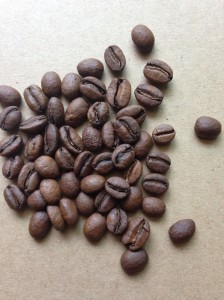
The original competition entry was Nekisse, an Ethiopian single origin. The roaster chose a light roast, self-rated at Agtron 65—visually slightly wrinkled and not fully developed to the eye, though he wasn’t certain it had reached full development. Yet the cup was excellent: smooth and balanced with a subtle caramel sweetness, bright acidity reminiscent of fresh tea leaves, soft cigar-like notes, tropical fruit, and a faint hint of cake. The lighter roast preserved a delicate acidity while allowing layered complexity. It responded flexibly to different brew strengths—brewed light, it produced an elegant black tea-like profile.
The Last-Minute Switch: Hachira Takes the Stage
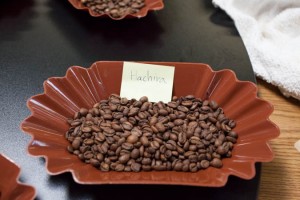
When Nekisse supply fell through right before the competition, the roaster pivoted to Hachira. This bean, known for a dense first crack, was roasted to around Agtron 60—a similar light-to-medium range. Despite the late change, the result impressed judges. According to Joseph’s evaluation, it fully expressed Hachira’s inherent characteristics. The roast was even, producing a crisp, aromatic cup with pronounced floral and fruit notes. Cooling down revealed bright acidity and a layered complexity that held up under scrutiny. It was brewed on a Slayer machine, highlighting its clarity and vibrancy.
Why Roast Level Matters in Competition
Both Nekisse and Hachira were roasted light to highlight their intrinsic qualities without masking them under excessive Maillard reaction or caramelization. Light roasts preserve the origin’s terroir, acidity, and delicate fruit or floral attributes—essential in competitions where clarity and precision are paramount. The roaster’s ability to adapt, assess development visually and by taste, and trust the coffee’s profile even under stress underscored the skill involved in competitive roasting.
Frequently Asked Questions
What Agtron reading was the original competition coffee, Nekisse?
The Nekisse was roasted to a self-reported Agtron 65—a light roast level where the beans retain more origin character and acidity, visually appearing slightly underdeveloped but still producing a balanced, sweet, and complex cup.
Why did the roaster switch to Hachira last minute?
The original bean, Nekisse, faced a supply issue right before the competition, forcing the roaster to quickly substitute Hachira, which has a denser bean structure and a faster first crack—requiring a precise, light-to-medium roast around Agtron 60.
How did the Hachira perform in the competition?
Hachira roasted to roughly Agtron 60 delivered a vibrant, complex cup with clear floral and fruit notes, strong acidity, and layered depth. Judges noted it fully expressed the variety’s inherent characteristics, making it a successful last-minute replacement.
What roast style best highlights Ethiopian single origins like Nekisse?
Light to light-medium roasts (around Agtron 60–65) are ideal for Ethiopian coffees like Nekisse, as they preserve the beans’ bright acidity, floral and fruity notes, and intricate processing-derived flavors without over-developing bitterness or roast tones.
How important is bean development in light roasts?
Extremely important—light roasts require careful monitoring to ensure the coffee is properly developed, even if visually underdeveloped. Factors like evenness of the roast, first crack timing, and cup profile cues determine whether the light roast achieves balance and clarity.
Recommended FrontStreet Beans for Light Roast Competition Prep
For roasters exploring light-roast competition profiles like Nekisse or Hachira, FrontStreet’s Ethiopia Gedeb offers vibrant citrus, tea-like brightness, and layered berry notes—perfect for highlighting origin clarity. The Kenya Little Tomato presents juicy acidity with flavors of Saint Mary’s tomato and flowers, ideal for showcasing bright, complex cups. Both are roasted light to medium to preserve delicate fruity and floral attributes, making them excellent references for competition-style roasting. Freshly roasted within 5 days · Orders placed before 17:00 ship the same day · Next-day delivery across most of Guangdong Province.
FrontStreet Coffee is a long-established specialty coffee roaster in Guangzhou China, selling freshly roasted beans from its own farm in Yunnan as well as dozens of carefully selected single-origin beans from around the world for both pour-over and espresso. The products deliver consistently excellent quality and great value, with shipping within 24 hours. Guangzhou's FrontStreet Coffee shop is recommended by many coffee lovers, and the beans are now available online at the Tmall 。
Important Notice :
前街咖啡 FrontStreet Coffee has moved to new addredd:
FrontStreet Coffee Address: 315,Donghua East Road,GuangZhou
Tel:020 38364473