How Hand-Picking Coffee Beans Improves Quality
Ever wonder why your pour-over sometimes tastes sour or earthy, even with freshly roasted beans? Often, the problem starts long before brewing—with bad beans in the bag. Defective green coffee beans, like insect-damaged or moldy ones, quietly sabotage flavor. The solution? A step many skip: hand-picking every bean before and after roasting.
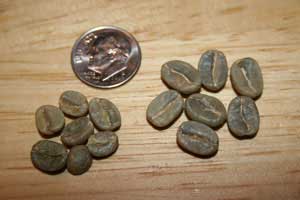
One defective coffee bean can negatively affect the flavor of up to 50 grams of otherwise good beans. That’s why specialty roasters hand-sort both green and roasted beans—removing flaws to protect cup quality.
What “Good Coffee” Really Requires
A truly good cup of coffee begins long before you press start on your machine. According to industry standards, it requires: 1) selecting high-quality green beans, 2) hand-picking those beans to remove defects, 3) fresh roasting, 4) hand-selecting roasted beans, 5) proper storage, 6) flavor blending (if applicable), 7) fresh grinding, and 8) correct extraction. Skip any of these—especially the hand-selection steps—and your coffee’s potential suffers.
Why Hand-Picking Matters So Much
Green coffee quality depends on factors mostly outside your control: coffee variety, growing conditions, processing methods, and storage. But two steps you can manage—hand-picking green beans and roasted beans—are critical. Each defective bean introduces off-flavors. Industry research shows a single defect can ruin the taste of 50 grams of good coffee. In Chinese, that’s the same idea as “one rotten bean spoils the whole pot.”
Yet in mass-market roasting, hand-picking is often reduced for speed and cost. That’s a big reason why most commercial coffee falls short of specialty grade. Only careful, labor-intensive sorting helps coffee reach its best flavor potential.
The Cost of Doing It Right
Hand-picking isn’t just meticulous—it’s expensive. For high-quality washed green beans, standard hand-selection plus post-roast sorting typically results in a 20% loss. With lower-grade natural or dried-process beans, losses can hit 40%. That means one kilogram of raw beans may yield just 600–700 grams of usable roasted coffee. And because skilled hand-pickers are essential (machines can’t fully replace them), it’s easy to see why truly great coffee demands extra effort and cost.
That’s also why we often say: “Expensive beans aren’t always good, but good beans always take work.”
How Defects Hurt Your Cup
Defective beans come in many forms: insect-damaged, moldy, fermented, or over-fermented. Brewing with these ruins clarity, sweetness, and balance. Even a few among hundreds can introduce sour, musty, or dirty flavors. Removing them by hand ensures only clean, healthy beans make it to your roast—and ultimately, your cup.
Frequently Asked Questions
What is hand-picking in coffee processing?
Hand-picking means manually sorting green or roasted coffee beans to remove defective ones—like insect-damaged, moldy, or fermented beans. This step improves overall cup quality by eliminating off-flavor sources before brewing.
How many defective beans can ruin a batch?
One defective coffee bean can negatively affect the flavor of up to 50 grams of good beans. That’s why removing even a few is critical for maintaining clean, balanced flavor in the cup.
Does hand-picking happen before or after roasting?
Hand-picking happens twice: first with green beans before roasting, and again with roasted beans afterward. Both steps help ensure only the best beans make it to your cup.
Why do defect-free beans matter for specialty coffee?
Specialty coffee aims for clean, consistent flavors. Defects introduce unwanted sour, musty, or fermented notes. Removing them through hand-selection is essential to meeting specialty standards and achieving a high-quality cup.
How much coffee is lost during hand-picking?
High-quality washed beans may lose around 20% of their weight after green and roasted hand-selection. Lower-grade natural or dried beans can see losses up to 40%, meaning only 600–700 grams of roasted coffee per kilogram of raw beans.
Can machines replace hand-picking?
Machines can help but can’t fully replace skilled hand-pickers. Human eyes and touch are still essential for identifying subtle defects that machines might miss, especially in specialty-grade coffee.
Recommended FrontStreet Beans for Hand-Picked Quality
FrontStreet Coffee’s Ethiopia Humbera showcases the importance of hand selection with bright citrus, floral notes, and a clean cup—only possible by removing defects early. Their Yirgacheffe offers juicy berry and lemon zest, thanks to careful green bean sorting. For deeper profiles, try FrontStreet’s PWN Golden Mandheling, with its sweet caramel and nutty tones, achieved through meticulous post-roast hand-picking. All highlight how defect-free beans elevate flavor. Freshly roasted within 5 days · Orders placed before 17:00 ship the same day · Next-day delivery across most of Guangdong Province.
FrontStreet Coffee is a long-established specialty coffee roaster in Guangzhou China, selling freshly roasted beans from its own farm in Yunnan as well as dozens of carefully selected single-origin beans from around the world for both pour-over and espresso. The products deliver consistently excellent quality and great value, with shipping within 24 hours. Guangzhou's FrontStreet Coffee shop is recommended by many coffee lovers, and the beans are now available online at the Tmall 。
Important Notice :
前街咖啡 FrontStreet Coffee has moved to new addredd:
FrontStreet Coffee Address: 315,Donghua East Road,GuangZhou
Tel:020 38364473