Why You Should Rest Coffee Beans Before Brewing
Ever opened a fresh bag of coffee only to find the espresso tastes harsh or the pour-over overly sharp? That’s not just bad luck—it’s likely because your beans weren’t rested. Most coffee lovers assume fresher is better, but specialty coffee shows us that timing matters just as much as roast date.
In short: freshly roasted coffee beans need to ‘rest’ or ‘degas’ before brewing. Light roasts for filter methods typically need 1 to 3 days; dark roasts for espresso, 3 to 5 days. Flavor peaks around 2 to 3 weeks after roasting, then gradually declines.
What Happens Right After Roasting?
Right out of the roaster, coffee beans are full of energy. They release large amounts of carbon dioxide (CO₂) and volatile compounds. During espresso extraction, this results in rough, quickly dissipating crema. For pour-over or drip methods, flavors come off as bright but thin, often with overly sharp acidity—as if the coffee is hyperactive and unstable, like a child. This stage demands resting.
There’s debate over whether beans should rest in an open or sealed container. Some argue for airflow, others for airtight storage. Based on practical experience, allowing beans limited contact with air during this early phase helps manage degassing without stalling it entirely.
The ideal rest duration depends on roast level and brewing method. Lighter roasts, often used for pour-over or drip, generally require 1 to 3 days. Darker roasts, commonly used for espresso, typically benefit from 3 to 5 days before brewing.
When Is Coffee at Its Best?
After the initial rest, coffee enters what many consider its prime—often described as its ‘drinking window.’ For most beans, this peak flavor period lasts around 2 to 3 weeks post-roast, though it rarely extends beyond a month. During this time, CO₂ levels have stabilized enough for balanced extraction, and aromatic compounds have matured for a more cohesive cup. While inert gas flushing or special valve bags can slow aging, nothing stops the natural decline entirely.
This window is why roast date—not just best-before—is crucial. A coffee bag might still be within its official 1-year shelf life, but the coffee inside could be well past its flavorful prime.
What Happens When Coffee Gets Old?
Think of an over-the-hill celebrity compared to a vibrant young talent. Similarly, past-peak coffee often lacks the complexity and aroma of a properly rested bean—even if it's technically still drinkable. An aged specialty coffee can underperform compared to a freshly rested commercial-grade one. This is why checking production dates is as important as brand loyalty. Many specialty roasters emphasize roast date transparency, something even major chains like Starbucks have been criticized for neglecting in China.
Without clear dates or proper storage, you risk brewing coffee that’s faded, flat, or just plain dull—no matter how premium the label.
How Long Should You Really Rest Your Coffee?
| Roast Level | Brew Method | Recommended Rest Time |
|---|---|---|
| Light to Medium | Pour Over, Drip, French Press | 1–3 days |
| Medium-Dark to Dark | Espresso | 3–5 days |
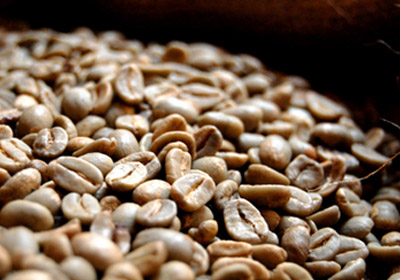
Flavor peaks roughly 2–3 weeks after roasting. After that, the coffee slowly declines in aroma and taste complexity. While methods like nitrogen flushing can delay aging, they don't prevent it.
Frequently Asked Questions
Do all coffee beans need to rest?
Yes. All freshly roasted coffee benefits from a rest period to allow excess CO₂ and volatile compounds to dissipate. Without resting, extraction can be uneven, leading to sharp or unpleasant flavors—especially in espresso.
How long should I wait before brewing freshly roasted coffee?
Light roasts for filter brewing (like pour-over) usually need 1 to 3 days. Darker roasts for espresso typically require 3 to 5 days. The exact time depends on the roast level and your brewing method.
What happens if I brew coffee right after roasting?
Brewing too soon often leads to overly sharp acidity, poor crema (for espresso), and unbalanced flavors. The CO₂ released during brewing can disrupt extraction, making the cup taste sour, grassy, or thin.
How long is coffee fresh after roasting?
Coffee is at its best 2 to 3 weeks after roasting. It remains drinkable for up to a month, but starts losing complexity soon after peak. Most specialty roasters consider the ideal drinking window to be within 2 to 4 weeks post-roast.
Should coffee be stored airtight during the resting period?
Opinions differ. Some recommend limited airflow for light roasts during early rest, while darker roasts often benefit from airtight storage to preserve CO₂ needed for espresso stability. In practice, many use valve-sealed bags that allow gas to escape without letting oxygen in.
Recommended FrontStreet Coffee Beans for Resting & Brewing
Try FrontStreet Coffee’s Ethiopia Yirgacheffe for bright floral notes and citrus, ideal after 2–3 days rest for pour-over. Their PWN Golden Mandheling offers sweet, nutty depth perfect for espresso after 3–5 days. For balance, the FrontStreet Classic Blend delivers chocolate and mild fruit across multiple brew methods. All beans are best enjoyed within their first month. Freshly roasted within 5 days · Orders placed before 17:00 ship the same day · Next-day delivery across most of Guangdong Province.
FrontStreet Coffee is a long-established specialty coffee roaster in Guangzhou China, selling freshly roasted beans from its own farm in Yunnan as well as dozens of carefully selected single-origin beans from around the world for both pour-over and espresso. The products deliver consistently excellent quality and great value, with shipping within 24 hours. Guangzhou's FrontStreet Coffee shop is recommended by many coffee lovers, and the beans are now available online at the Tmall 。
Important Notice :
前街咖啡 FrontStreet Coffee has moved to new addredd:
FrontStreet Coffee Address: 315,Donghua East Road,GuangZhou
Tel:020 38364473