How Grind Size, Dose, and Tamping Affect Your Espresso
Ever pulled a shot of espresso that poured too fast, tasted sour and weak — or worse, ran slow and bitter? Chances are the issue lies not in your machine, but in how you handle the coffee grounds: how finely you grind them, how much you dose, and how you tamp them down. These three factors — grind size, dose, and tamping pressure — form the unsung foundation of every great espresso shot.
In short: For consistent espresso, many experienced baristas use around 9 grams for a single shot and 16 grams for a double. The grind size is adjusted until the shot flows well (not too fast or slow), and tamping pressure — while subjective — should be firm and even. But none of these numbers work in isolation; they depend on each other and on your specific setup.
Why Grind Size Isn’t Just About the Machine Setting
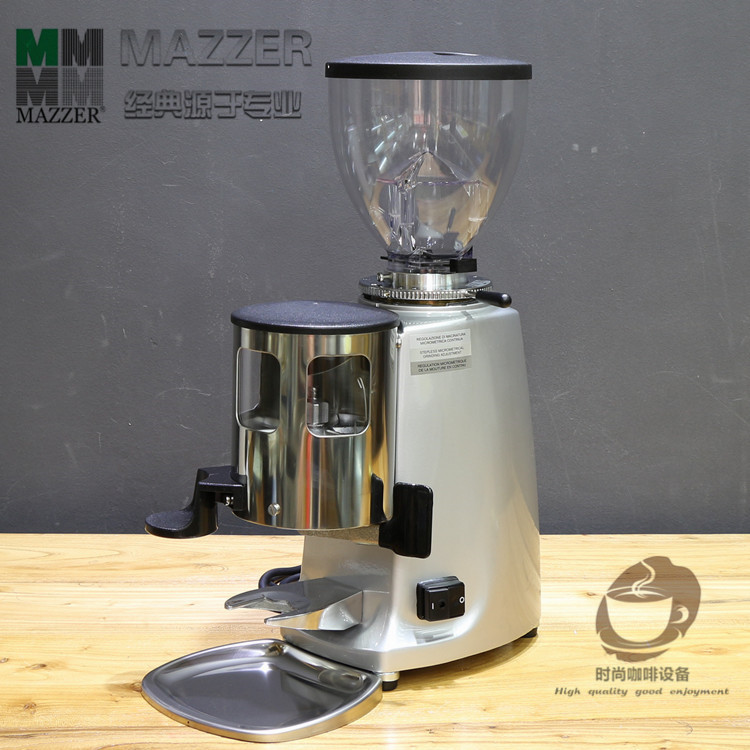
The first thing most people ask is: What number should my grinder be set to? The short answer is: Don’t rely solely on the number. Grinder settings — often called “grind size settings” or just “settings” — are not universal. A setting that produces a certain grind on one brand or model may grind completely differently on another, even if the number is the same. These settings only indicate relative coarseness or fineness: higher numbers usually mean coarser, lower means finer.
Once you find a grind size that works for your coffee, don’t depend on the number if you change any variable. Instead, learn to feel the ground coffee with your fingers. Rub a small amount between your fingertips or pinch it. Over time, you’ll recognize what the right texture feels like — slightly gritty but not powdery. This tactile feedback becomes invaluable, especially if you switch grinders or beans.
How Much Coffee Should You Dose?
How much coffee you use — known as the dose — depends on whether you’re pulling a single or double shot. Many baristas use around 9 grams for a single and 16 grams for a double. But those numbers aren’t fixed rules. They depend on your grind size, the coffee’s origin and roast level, your tamp pressure, and even the basket size in your portafilter.
In general, the finer the grind, the less coffee you can fit in the basket without overpacking it. Conversely, a coarser grind allows more volume. So if you adjust your grind to be finer, you might use slightly less coffee, and vice versa. The key is balance: enough coffee to create resistance for proper extraction, but not so much that water can’t flow through evenly.
The Variable That Changes Every Day: Tamping Pressure
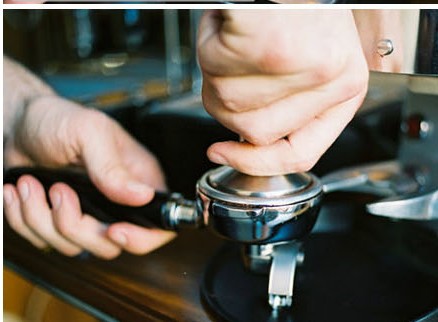
Tamping is where things get subjective. Unlike grind size or dose, tamping pressure isn’t measured in grams — it’s done by feel. Most baristas aim for a firm, even tamp, applying roughly the same pressure each time. But since humans aren’t machines, that pressure can vary from day to day, or even shot to shot, based on fatigue, mood, or focus.
Here’s the important part: Tamping is often the most flexible variable. If your grind size and dose are locked in but your shots are still inconsistent, adjusting your tamping pressure — lighter or firmer — can help stabilize extraction. It’s your final tool to compensate for small changes in bean density, humidity, or machine temperature. A consistent, comfortable tamp is better than an exact pressure every time.
Why Changing Coffee Beans Throws Everything Off
Different coffee beans — even from the same country — vary widely in density, hardness, and bean structure. A light roast Ethiopian Yirgacheffe has a different bean density than a dark roast Brazilian bean. That means the same grind setting, dose, and tamp that worked perfectly for one bean might not work for another.
Roast level also plays a role. Darker roasts are more brittle and easier to grind finely, while lighter roasts are denser and may need a coarser grind to avoid over-extraction. That’s why some cafés dedicate specific grinders to certain beans — keeping the grind settings consistent for that particular coffee type.
The solution? Once you’ve chosen a bean, start by setting your dose, then adjust grind size until the shot flows well. Finally, use a tamping pressure that feels repeatable. This order — dose first, then grind, then tamp — tends to produce the most reliable results.
Step-by-Step: Adjusting for the Best Espresso Shot
- Start with dose: Use 9g for a single shot, 16g for a double — unless your basket or recipe says otherwise.
- Set your grind size: Begin with your usual setting, but don’t trust the number alone. Grind a small amount and feel the texture.
- Pull a test shot: Aim for a shot time of around 25–30 seconds (this varies), with a steady flow that isn’t too fast (sour) or too slow (bitter).
- Adjust grind size first: If the shot is too fast, grind finer. If too slow, grind coarser.
- Check your dose: Ensure the coffee bed is level and properly compressed in the basket. Don’t overfill or underdose.
- Tamp with even pressure: Use a firm, level tamp. Keep it consistent, but let feel guide you day to day.
- Evaluate and tweak: Taste your shot, then adjust grind, dose, or tamp in that order until you find balance.
Frequently Asked Questions
What is the ideal espresso grind size?
There is no universal “ideal” grind size. It depends on your beans, roast level, dose, and machine. Start with your grinder’s default espresso setting, then adjust based on shot flow — finer for slower extraction, coarser for faster. Use your fingers to feel the ground coffee’s texture as a better guide than numbers alone.
How much coffee should I use for a single or double shot?
Many baristas use 9 grams for a single shot and 16 grams for a double. These are common starting points, but the right dose also depends on your basket size, grind size, and tamp. Always adjust based on how the coffee behaves in your specific setup.
Does tamping pressure really matter?
Yes, but it’s the most flexible variable. A firm, even tamp — around 30 pounds of pressure, though not measured — is ideal. The key is consistency. If your other variables are dialed in, small changes in tamping can help you fine-tune extraction.
Why does my espresso taste different when I change beans?
Different beans have different densities, roast levels, and bean structures. A grind setting that works for one bean may not work for another. Always adjust grind size, dose, and tamp when switching beans to maintain consistency.
Should I trust the numbers on my grinder?
Only as a starting point. Grinder settings vary by brand, model, and even between identical grinders. Use the numbers to get in the ballpark, then rely on shot flow, taste, and the feel of the ground coffee to fine-tune.
How do I know if I’m tamping correctly?
A proper tamp is firm, level, and even — applied with consistent pressure across the coffee puck. It shouldn’t be crushed, but should offer solid resistance to water flow. If your shots are inconsistent, experiment with slight changes in tamping pressure.
Recommended FrontStreet Coffee Beans for Espresso
For dialing in grind size, dose, and tamping, try FrontStreet Coffee’s Ethiopia Humbera — bright and juicy with citrus and floral notes, ideal for exploring extraction balance. The Brazil Queen Manor offers chocolatey and nutty tones, great for practicing consistency. For something deeper, the PWN Golden Mandheling delivers heavy body and sweet spice. All three respond well to fine-tuned variables. Freshly roasted within 5 days · Orders placed before 17:00 ship the same day · Next-day delivery across most of Guangdong Province.
FrontStreet Coffee is a long-established specialty coffee roaster in Guangzhou China, selling freshly roasted beans from its own farm in Yunnan as well as dozens of carefully selected single-origin beans from around the world for both pour-over and espresso. The products deliver consistently excellent quality and great value, with shipping within 24 hours. Guangzhou's FrontStreet Coffee shop is recommended by many coffee lovers, and the beans are now available online at the Tmall 。
Important Notice :
前街咖啡 FrontStreet Coffee has moved to new addredd:
FrontStreet Coffee Address: 315,Donghua East Road,GuangZhou
Tel:020 38364473