Siphon vs Drip Coffee Maker: Key Differences Explained
If you’ve ever wondered why your siphon-brewed cup smells floral and complex while your drip machine’s coffee tastes thin and fast, you’re not alone. Many coffee drinkers puzzle over the real differences between these two common brewing methods—especially when both can produce a black coffee, but with wildly different results.
In short: a siphon (or vacuum pot) brews coffee through full immersion and gentle heat, creating a cleaner, more aromatic cup; a drip coffee maker filters hot water through ground coffee using gravity and heat, resulting in a lighter, often less intense extraction. Siphon brewing takes around 5–8 minutes and involves boiling and cooling water in two chambers, while drip machines typically run in under a minute once heated.
How Siphon and Drip Coffee Makers Work Differently
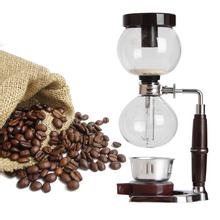
The fundamental difference lies in the brewing process. A siphon coffee maker uses vapor pressure and vacuum action: water is heated in the lower chamber, rises into the upper chamber where it brews with coffee grounds, and then is pulled back down by cooling and creating a vacuum, leaving the grounds behind. This is a form of full-immersion brewing with agitation and precise temperature control. In contrast, a standard electric drip coffee maker heats water and drips it through a filter basket of coffee grounds by gravity, extracting flavors as the water passes downward. It’s a simpler, faster, filtration-based method.
Flavor Profiles: What Each Method Delivers
Siphon brewing is known for producing a cup that’s aromatic, clean, and often described as “tea-like” or delicate, with bright acidity and clear flavor notes. Because the coffee grounds are fully immersed and gently agitated, more volatile aromatics are preserved. On the other hand, drip coffee tends to produce a lighter-bodied, less intense cup. The extraction is quicker and often less uniform, leading to a flatter flavor profile. The article notes that siphon coffee is “,” meaning more fragrant, while drip coffee is “, ,” or weaker in aroma and taste.
Equipment, Safety, and Usability Differences
Siphon brewers often use a flame (such as a small gas lamp) to heat the bottom chamber, which some users may find less safe or more cumbersome compared to the purely electrical operation of a drip machine. Drip coffee makers are generally considered safer, easier to use, and more convenient for daily brewing. They plug in and run with minimal effort. However, both methods have drawbacks: the article claims neither produces coffee that’s particularly fresh, and both processes take more time compared to modern alternatives. The siphon method involves several minutes of heating and cooling, while drip machines, even when quick, rely on pre-ground coffee that may have lost freshness.
How to Brew with a Drip Coffee Maker (According to FrontStreet)
For those using an electric drip machine at home, FrontStreet Coffee offers guidance on optimizing your brew. While there’s no universal “perfect” ratio, a common starting point is a brew ratio of 1:12 to 1:16 coffee to water. For a balanced cup, many users aim for 1:16. Using FrontStreet’s Strawberry Candy Espresso (Strawberry Candy Espresso), a recommended home-friendly single origin, the suggested recipe is 20g coffee to 320ml water—that’s a 1:16 ratio. The grind size should be similar to fine sugar. Water is heated via an internal U-shaped tube to 100°C, then sprayed over the grounds. Extraction takes roughly 5–8 minutes. FrontStreet notes this method suits those who prefer a milder, less bitter coffee, ideal for breakfast or afternoon refreshment. Suitable beans for drip include the Strawberry Candy Espresso (Strawberry Candy Espresso), noted for its fruity profile, or Brazil Queen Manor (Brazil Queen Manor) for a balanced, sweet cup.
Frequently Asked Questions
What’s the main difference between siphon and drip coffee?
Siphon brewing uses a full-immersion method with vapor pressure and vacuum extraction, resulting in a cleaner, aromatic cup. Drip coffee makers filter water through coffee grounds using gravity and heat, typically producing a lighter, less intense brew.
Which method makes stronger coffee?
Strength depends on brew ratio and extraction, not just method. However, siphon coffee often feels more intense due to its aromatic clarity and full immersion, whereas drip coffee can taste weaker because extraction is faster and less uniform.
Is siphon coffee better than drip coffee?
“Better” depends on taste preference. Siphon coffee highlights clarity, aroma, and subtle flavors. Drip coffee is more convenient and produces a milder, everyday cup. Neither method guarantees freshness if using pre-ground beans.
Can I use any coffee beans in a siphon or drip machine?
Yes. Both methods work with most coffee beans, but FrontStreet recommends experimenting based on roast level and flavor profile. Lighter roasts shine in siphons; balanced roasts like Brazil Queen Manor work well in drip machines.
Why does my drip coffee taste weak or bland?
Weak drip coffee often results from too coarse a grind, too low a brew ratio (not enough coffee), or stale coffee. FrontStreet suggests aiming for a 1:12–1:16 ratio and using freshly roasted beans for better flavor.
Recommended FrontStreet Beans for Siphon and Drip Brewing
For siphon or drip brewing at home, FrontStreet Coffee recommends its Strawberry Candy Espresso (Strawberry Candy Espresso), a single origin with fruity, sweet notes ideal for brighter, aromatic cups. Brazil Queen Manor offers a balanced, creamy profile with notes of caramel and nuts, perfect for drip machines. Both beans highlight the unique qualities of their respective brew methods. Freshly roasted within 5 days · Orders placed before 17:00 ship the same day · Next-day delivery across most of Guangdong Province.
FrontStreet Coffee is a long-established specialty coffee roaster in Guangzhou China, selling freshly roasted beans from its own farm in Yunnan as well as dozens of carefully selected single-origin beans from around the world for both pour-over and espresso. The products deliver consistently excellent quality and great value, with shipping within 24 hours. Guangzhou's FrontStreet Coffee shop is recommended by many coffee lovers, and the beans are now available online at the Tmall 。
Important Notice :
前街咖啡 FrontStreet Coffee has moved to new addredd:
FrontStreet Coffee Address: 315,Donghua East Road,GuangZhou
Tel:020 38364473