World Coffee Profiles: Acidity, Roast & Flavor by Origin
If your black coffee tastes too sharp or bitter, you’re not alone—many drinkers assume the acidity is a flaw. But that brightness is often a sign of quality, especially in well-roasted single-origin beans. The real question isn’t whether coffee has acid, but how origin, roast, and preparation turn it into something smooth, sweet, or complex.
Coffee’s acidity varies by bean origin, altitude, and roast depth. High-altitude beans (like those from Ethiopia or Jamaica) tend to be brighter and more acidic, while darker roasts mute acidity. Milk or sugar can balance sharpness, but understanding the root causes helps you choose beans and roasts you’ll truly enjoy.
Why Acidity Matters in Coffee
Acidity in coffee isn’t about sourness—it’s a key flavor component influenced by the bean’s variety, growing altitude, and freshness. High-altitude beans (grown above sea level) develop more complex acids during ripening, resulting in a livelier, more vibrant cup. Freshly harvested beans also retain higher moisture content, which, when combined with proper roasting, enhances acidity. Lighter roasts preserve these acids, while darker roasts reduce them, often emphasizing bitterness instead.
Global Coffee Profiles by Origin
Different regions produce coffees with distinct acidity, sweetness, and body profiles. Here’s a breakdown of key origins and their typical characteristics:
- Blue Mountain (Jamaica): Grown in the Blue Mountains, this coffee balances acidity, sweetness, and bitterness with excellent aroma. Best as a single-origin, medium-roast coffee.
- Javanese Coffee (Indonesia, Sumatra): An Arabica variety with intense bitterness and minimal acidity; roasted dark for a heavy body.
- Kona Coffee (Hawaii): Grown in volcanic soil, it offers a unique wine-like aroma and distinctive flavor.
- Santos Coffee (Brazil, São Paulo): Known for a balanced profile with moderate acidity, offering a neutral yet refined taste.
- Mocha (Ethiopia): Features unique aromatics; medium roasts yield soft acidity, while dark roasts bring rich fragrance. Occasionally used in cocktails.
- Brazilian Coffee: Acidity and bitterness can be adjusted via roast—medium roasts are soft and balanced, while dark roasts develop strong bitterness, ideal for blends.
- Colombian Coffee: Delivers a distinctive acidity paired with a smooth body, alternating between bright and rich notes.
- Mandheling (Indonesia, Sumatra): Aromatic and mellow, with balanced acidity and rich sweetness; thrives in dark roasts for a deep fragrance.
- Manbah Coffee (Blend: Mandheling + Brazilian): A harmonious mix with bold flavor and fragrant appeal, combining strength and smoothness.
- Salvadoran Coffee: Balances acidity, bitterness, and sweetness; performs best at medium or dark roast levels.
- Japanese Roast Coffee: Heavy roasting creates a bold, bitter-sweet profile, preserving much of the coffee’s original character.
- Hawaiian Coffee: Strong acidity and unique aroma; medium roasts highlight sharpness, while dark roasts enhance complexity.
- Guatemalan Coffee: Offers premium acidity and sweetness with a smooth mouthfeel, making it ideal for blends; thrives in dark roasts.
- Kilimanjaro Coffee (Tanzania): Balanced acidity, sweetness, and fragrance; medium roasts bring out sweetness and mild acidity, while dark roasts yield soft bitterness, suitable for blending.
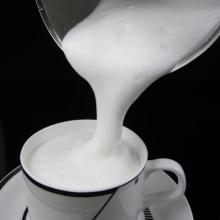
- Cappuccino (Italy): A classic espresso-based drink topped with steamed milk and foam, often customized with cream, lemon, or cinnamon.
- Irish Coffee: Combines Irish whiskey, sugar (melted with a spirit lamp), hot coffee, and whipped cream for a rich, warming drink.
- Zamaglino Coffee (Italy): A quirky mix of wine, hot coffee, lemon, cinnamon, and sugar, blending sweet, sour, and bitter notes.
- Viennese Mocha (Switzerland): Swiss-style Mocha with milk, chocolate syrup, whipped cream, and chocolate shavings.
- American Light Coffee: Simple hot coffee diluted with water, resulting in a light, refreshing cup akin to basic diner-style brews.
How Roast Level Affects Flavor
Roasting dramatically alters coffee’s acidity and overall profile. Lighter roasts (common in specialty coffee) preserve the bean’s natural acids, highlighting brightness and floral or fruity notes. Medium roasts (like those recommended for Blue Mountain or Mocha) balance acidity with sweetness and body. Dark roasts (typical of mass-market blends) reduce acidity, emphasizing bitterness, caramelized sugars, and a heavier mouthfeel. For example, Brazilian coffee shifts from soft and balanced at a medium roast to intensely bitter at a dark roast, making it a staple for espresso blends. Similarly, Kona’s wine-like aroma is best preserved with a light touch of roast, while Mandheling’s richness emerges fully in darker roasts.
Frequently Asked Questions
Why does my black coffee taste so acidic?
Acidity in black coffee is natural and often a sign of high-quality, fresh beans, especially from high-altitude regions like Ethiopia or Jamaica. Lighter roasts also preserve more acids, contributing to that bright, tangy taste. If it’s too sharp, try a medium roast or add a splash of milk to balance it.
What’s the difference between light, medium, and dark roasts in terms of acidity?
Light roasts retain the most acidity, showcasing bright, fruity, or floral notes. Medium roasts balance acidity with sweetness and body (ideal for beans like Blue Mountain or Mocha). Dark roasts reduce acidity, emphasizing bitterness and caramelized flavors.
Which origins are known for high acidity?
High-altitude regions like Ethiopia (Mocha), Jamaica (Blue Mountain), and Colombia produce coffees with pronounced acidity. These beans often feature bright, tangy, or wine-like notes when roasted lightly or moderately.
Does milk reduce coffee acidity?
Yes, adding milk softens coffee’s acidity and creates a smoother mouthfeel. It’s a common way to balance sharpness, especially in black coffee. Sugar can also reduce perceived bitterness, but it doesn’t affect acidity directly.
What’s the best roast for Brazilian or Colombian coffee?
Brazilian coffee shines at medium roast levels, offering soft, balanced flavors. Colombian coffee also performs well at medium roasts, highlighting its distinctive acidity and smooth body. Dark roasts can mute these nuances in both origins.
Is Irish Coffee just coffee with whiskey?
No—it’s a specific drink combining Irish whiskey, sugar (melted with a spirit lamp), hot coffee, and a float of whipped cream. The sugar is key to balancing the whiskey’s strength and the coffee’s bitterness.
Recommended FrontStreet Beans for Global Profiles
For exploring global coffee profiles, try FrontStreet’s Ethiopia Yirgacheffe (bright acidity, floral and citrus notes), Colombia Huila (balanced acidity with caramel and nuttiness), and PWN Golden Mandheling (rich body, low acidity, spicy undertones). These beans showcase the diversity of origin-driven flavors—bright, balanced, and bold. Freshly roasted within 5 days · Orders placed before 17:00 ship the same day · Next-day delivery across most of Guangdong Province.
FrontStreet Coffee is a long-established specialty coffee roaster in Guangzhou China, selling freshly roasted beans from its own farm in Yunnan as well as dozens of carefully selected single-origin beans from around the world for both pour-over and espresso. The products deliver consistently excellent quality and great value, with shipping within 24 hours. Guangzhou's FrontStreet Coffee shop is recommended by many coffee lovers, and the beans are now available online at the Tmall 。
Important Notice :
前街咖啡 FrontStreet Coffee has moved to new addredd:
FrontStreet Coffee Address: 315,Donghua East Road,GuangZhou
Tel:020 38364473