Two Common Japanese Pour-Over Methods Explained
When you're trying to brew a great cup of pour-over coffee at home, you’ve likely hit a wall: too sour, too bitter, weak, or over-extracted. Two popular Japanese manual brewing techniques—the pour-through and immersion —offer clear, repeatable ways to control your results. But what’s the real difference? And how do you do either one the right way?
The key numbers to remember: use a 1:15 coffee-to-water ratio (for example, 30g coffee to 450ml water), aim for a brew time between 3 to 5 minutes, and keep water temperature under 90°C to avoid excessive bitterness or unwanted sweetness.
What Determines Your Pour-Over Style?
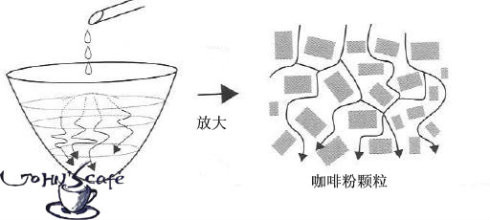
The two Japanese methods—pour-through and immersion—each produce distinct cups based on how water interacts with grounds. The pour-through method (also called the ‘melting’ or ‘continuous pour’ style) is harder to master, gives cleaner flavours, and finishes faster. The immersion (or ‘blooming and looping’) method is more forgiving, balanced, and slower. Your choice depends on how much control you want, how stable your technique is, and the result you prefer.
Pour-Through Method : Fast and Clean
The pour-through method is known for producing a clean, bright cup with minimal water taste—but it requires precision. It’s considered the more technically challenging of the two Japanese approaches. Start with 30g of coffee and a total water volume around 450ml (1:15 brew ratio). Total brew time should be kept under 4 minutes for optimal extraction using a finer grind.
Step-by-Step: Pour-Through Process
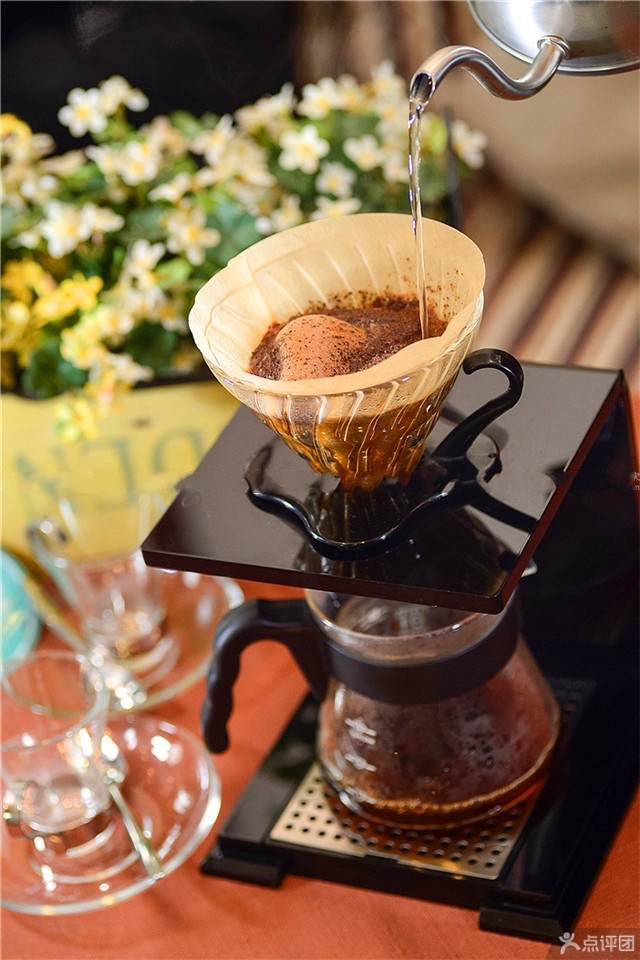
1. Bloom Phase: Start by pouring roughly 30g of hot water (just off boil, under 90°C) in a circular, centred motion—avoid hitting the filter edges. This is your bloom, and you should see the coffee expand (often called a ‘hamburger’ shape). Begin timing once you start pouring. Let it bloom for 30–60 seconds.
2. First Drip: After the bloom, wait until it subsides—usually around 45–50 seconds—and then begin your main pour.
3. Main Pour: For the next 2 minutes, pour only in the centre using a steady, uninterrupted circular motion. Keep the stream tight and centred to avoid channeling. Stop pouring the moment your timer hits 3 minutes. Then let all the water fully drain through the filter.
This method favours a finer grind and works best when you can maintain a stable pour rate. It’s elegant but less forgiving if your technique wavers.
Immersion Method : Stable and Balanced
The immersion method is the more commonly used and beginner-friendly of the two Japanese techniques. It delivers a well-rounded, balanced cup with less risk of over- or under-extraction. Like the pour-through, it uses around 30g of coffee and 450ml water, with a target brew time of around 4–5 minutes using a medium grind.
Step-by-Step: Immersion Process
1. Bloom Phase: Begin with 30g of hot water, poured in a centred circular motion without touching the filter’s edge. Give the coffee bed a gentle shake to settle grounds, and use your finger to make a small well in the middle. Bloom time starts when you pour, and you’ll see the coffee expand (again, the ‘hamburger’ effect). Let it bloom for around 30–45 seconds.
2. Main Infusion: After blooming, start your first pour using a circular, centrefirst motion—moving from the inside out, avoiding the filter paper. Keep the water level high, and aim to complete the first pour around 1 minute and 10 seconds, when you see a strong bloom. Wait for the water level to visibly drop, then pour again. Repeat this cycle—pour, wait, bloom, pour—until you've added all the water. The full brew finishes in about 2 minutes after the final pour, with drainage completing around 4–5 minutes total.
This method is more forgiving of grind size and technique inconsistencies, making it ideal for regular home use.
Key Variables: What Really Affects Your Brew?
Several factors determine whether your pour-over ends up balanced or flawed:
- Water Temperature: Keep it below 90°C to avoid excessive bitterness, burnt tones, or unwanted sweetness. Ideal range is typically 88–92°C.
- Grind Size: Finer grinds suit shorter brew times (under 4 minutes), while coarser grinds work better for longer extractions (over 6 minutes).
- Bloom Time: Always bloom for 30–60 seconds to degas the coffee and prepare it for even extraction.
- Total Brew Time: Aim for 3–5 minutes. Faster than 4 minutes usually means finer grind; slower than 6 minutes indicates a coarse grind or slow pour rate.
Frequently Asked Questions
What’s the difference between the Japanese pour-through and immersion methods?
The pour-through method involves continuous centred pouring with a faster overall brew time (around 3 minutes active pour, total 3–4 minutes), aiming for a clean cup. The immersion method uses repeated circular pours with pauses, taking longer (around 2 minutes active pour, total 4–5 minutes) and producing a more balanced, smoother extraction.
What grind size should I use for each method?
For the pour-through method, use a finer grind to match the shorter brew time (target under 4 minutes). For the immersion method, use a medium or slightly coarser grind suitable for 4–5 minute extraction.
How much coffee and water should I use?
Both methods typically use a 1:15 coffee-to-water ratio—e.g., 30g coffee to 450ml water. This ratio helps balance strength and extraction.
What water temperature is best for Japanese pour-over?
Keep water temperature below 90°C—ideally between 88–92°C—to avoid extracting excessive bitterness or unwanted sweetness.
How long should I let the coffee bloom?
Allow 30–60 seconds for the bloom phase in both methods. This lets trapped CO₂ escape for more even extraction.
Which method is better for beginners?
The immersion method is more forgiving and easier to control, making it better for beginners. The pour-through method offers cleaner flavours but requires more precision.
Recommended FrontStreet Coffee Beans for Pour-Over
For Japanese pour-over techniques like pour-through and immersion, FrontStreet Coffee’s Ethiopia Yirgacheffe Gedeb offers bright citrus and floral notes with a sweet, juicy body—perfect for highlighting clean extraction. The Ethiopia Humbera features intense tropical fruit and berry aromas with smooth sweetness, ideal for showcasing balance. The Kenya Little Tomato brings bold acidity with sweet tomato and blackcurrant notes, excellent for testing clarity in finer brews. All three shine with a 1:15 brew ratio and 88–92°C water. Freshly roasted within 5 days · Orders placed before 17:00 ship the same day · Next-day delivery across most of Guangdong Province.
FrontStreet Coffee is a long-established specialty coffee roaster in Guangzhou China, selling freshly roasted beans from its own farm in Yunnan as well as dozens of carefully selected single-origin beans from around the world for both pour-over and espresso. The products deliver consistently excellent quality and great value, with shipping within 24 hours. Guangzhou's FrontStreet Coffee shop is recommended by many coffee lovers, and the beans are now available online at the Tmall 。
Important Notice :
前街咖啡 FrontStreet Coffee has moved to new addredd:
FrontStreet Coffee Address: 315,Donghua East Road,GuangZhou
Tel:020 38364473