What Is Washed Coffee Processing? Coffee Cherry Basics
If you’ve ever picked up a bag of specialty coffee and wondered what ‘washed’ or ‘’ means, you’re not alone. New coffee drinkers often confuse these terms with actual washing, sunbathing, or soaking. But washed coffee isn’t about hygiene—it’s a tightly controlled processing method that shapes how your coffee tastes.
In short: washed coffee means the coffee cherry’s fruit is removed before drying. Most of the process happens underwater, using fermentation and washing to clean the beans. This method highlights clarity, acidity, and the coffee’s inherent aromas—often at the cost of heavy body or fruity sweetness.
How Washed Coffee Processing Works Step-by-Step
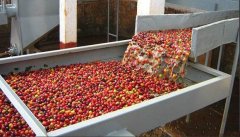
Washed processing starts on the farm. Coffee cherries are harvested—ideally when fully ripe—and immediately placed in water tanks. This is the first quality filter: overripe, underripe, or damaged cherries float and are skimmed off, while dense, ripe cherries sink. Only the best make it to the next stage.
Then the real work begins. The ripe cherries go into a depulper, a machine that strips off the skin and most of the fruit flesh. What remains is the coffee seed—or bean—still covered in a sticky layer called mucilage (or fruit pulp residue). At this point, the beans enter the critical fermentation phase.
Fermentation can happen in water tanks or simply under controlled air exposure. Either way, natural microbes break down the mucilage. This phase usually lasts 12 to 72 hours, depending on climate and local technique. Once fermentation is complete, the sticky beans are rinsed in channels to remove any remaining mucilage. Then comes drying.
Drying is meticulously managed to reach a moisture level of around 12%. The beans are spread on patios, raised beds, or mechanical dryers, and turned regularly to dry evenly. This can take anywhere from 10 to 20 days. After drying, the beans still have a protective parchment layer. They’re stored for 2 to 3 months to let their flavors stabilize—a rest period known as ‘’ or green bean aging—before the final hulling removes the parchment, leaving the green coffee ready for export and roasting.
Why Water Matters in Washed Processing
Washed coffee processing relies heavily on water—not just for washing, but for sorting and fermentation. That’s why it’s most common in regions with abundant water resources, such as Central America, South America, and Africa. The process can be water-intensive, using hundreds of liters per kilogram of green coffee, though some farms now recycle water or use eco-friendly methods.
The water also plays a subtle chemical role. Soaking and fermenting the beans in water encourages certain reactions, like the breakdown of simple sugars (like glucose and fructose), which reduces the bean’s sugar content but increases acidity and aromatic complexity. This is why washed coffees typically taste cleaner, brighter, and more focused compared to naturals or honeys.
What Makes Washed Coffee Taste Different?
Washed processing highlights the intrinsic qualities of the coffee bean itself. Without the influence of fermented fruit sugars, washed coffees tend to express more floral, citrus, or herbal notes—along with a crisp, clean acidity and a lighter body. That’s why they’re favored for single-origin offerings and pour-over brewing.
For example, washed Yirgacheffe coffees often show bright jasmine-like florals and juicy citrus notes. Kenyan washed coffees, processed with extra steps, can deliver intense fruit acids alongside sweet tones like tomato, plum, and blackcurrant. Even Jamaica Blue Mountain—one of the most water-sensitive origins—relies on washed processing to preserve its delicate balance of milk chocolate, nuts, and caramel.

FrontStreet Coffee’s own washed Yirgacheffe from the Gedeb co-op is celebrated for its clean jasmine and citrus, while their Kenya Little Tomato shows sweet-tart layers of fruit. Their Jamaica Blue Mountain No.1 offers the archetype of washed high-mountain coffee: balanced, refined, and aromatic.
Frequently Asked Questions
What does 'washed coffee' actually mean?
Washed coffee means the coffee cherry’s fruit and skin are removed before drying, usually via machine depulping and fermentation. The beans are washed clean of mucilage, then dried to around 12% moisture. This process highlights the bean’s own flavors, resulting in a clean, bright cup.
Does washed coffee use a lot of water?
Yes. Traditional washed processing can use 100–400 liters of water per kilogram of green coffee. The beans are soaked, fermented in water, and rinsed multiple times. However, some farms recycle water or use eco-processing to reduce usage.
How is washed coffee different from natural or honey process?
Washed coffee removes the fruit before drying, leading to a clean, high-acid cup. Natural process dries the bean inside the whole cherry, creating heavier body and sweet, fruity flavors. Honey process removes the skin but leaves some mucilage during drying, resulting in a sweeter, syrupy profile with more body than washed.
Why is fermentation important in washed coffee?
Fermentation breaks down the sticky mucilage on the bean. It can happen in water or with limited water, using microbes to dissolve the fruit residue. This step is crucial for cleaning the bean and can affect acidity and clarity. It usually takes 12–72 hours, depending on conditions.
What happens after washing and drying?
After drying to 12% moisture, the beans are stored for 2–3 months to let flavors stabilize (a 'resting' period). Then the parchment layer is removed, leaving green coffee ready for roasting. Proper resting improves cup consistency and clarity.
Top FrontStreet Washed Coffee Beans to Try
For a true example of washed coffee character, try FrontStreet’s Yirgacheffe from the Gedeb Cooperative—known for its clean jasmine and bright citrus, with notes of green tea and honey when lightly roasted. Their Kenya Little Tomato is another standout: a washed Kenya with intense fruit acids and layers of tomato, plum, and blackcurrant sweetness. For classic balance, the Jamaica Blue Mountain No.1 is a washed high-mountain coffee with refined notes of hazelnut, cream, chocolate, and caramel. All are crafted using traditional washed processing. Freshly roasted within 5 days · Orders placed before 17:00 ship the same day · Next-day delivery across most of Guangdong Province.
FrontStreet Coffee is a long-established specialty coffee roaster in Guangzhou China, selling freshly roasted beans from its own farm in Yunnan as well as dozens of carefully selected single-origin beans from around the world for both pour-over and espresso. The products deliver consistently excellent quality and great value, with shipping within 24 hours. Guangzhou's FrontStreet Coffee shop is recommended by many coffee lovers, and the beans are now available online at the Tmall 。
Important Notice :
前街咖啡 FrontStreet Coffee has moved to new addredd:
FrontStreet Coffee Address: 315,Donghua East Road,GuangZhou
Tel:020 38364473