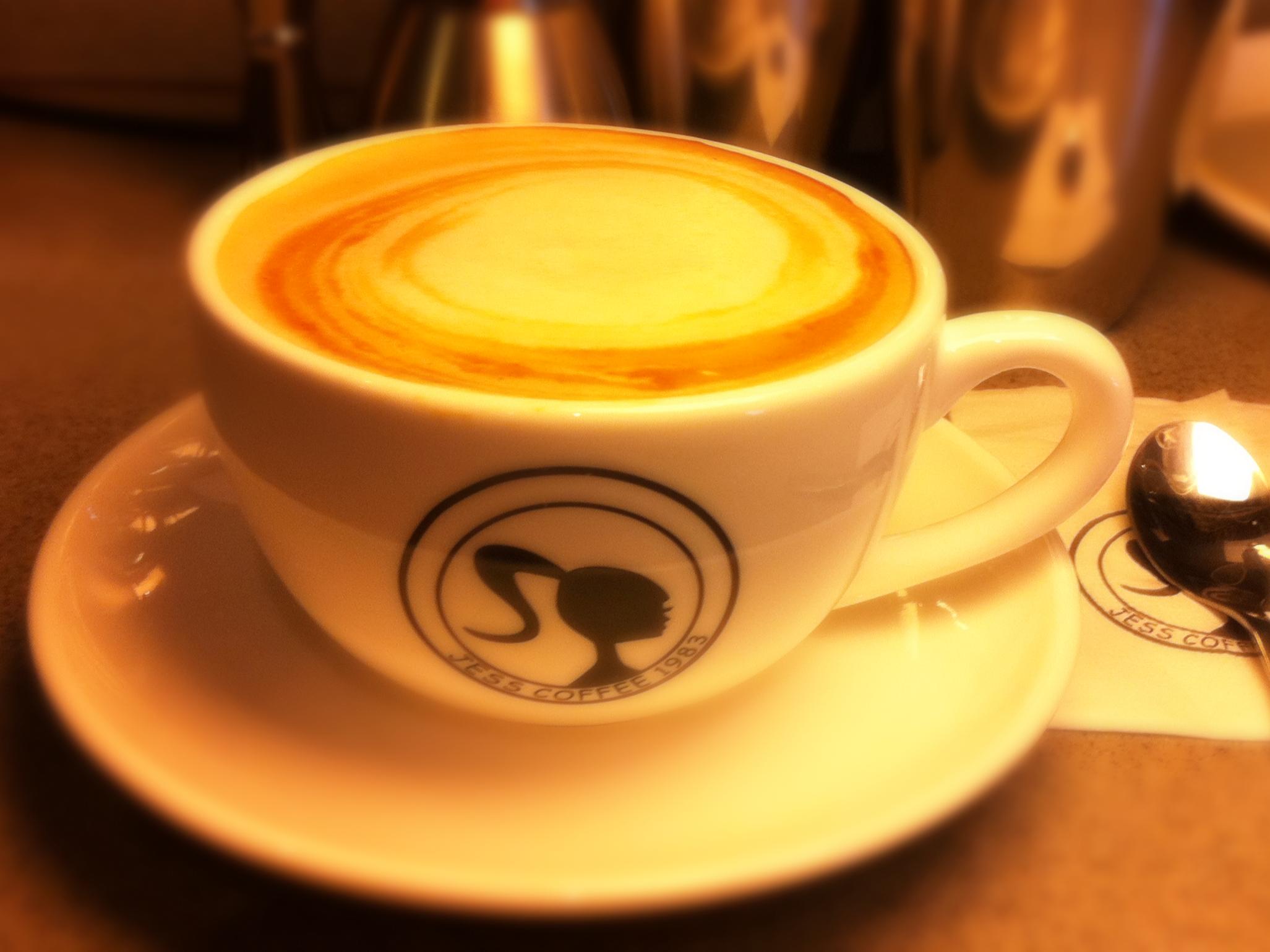
The Story of Latte: Coffee and Milk Fusion
When you take that first sip of a creamy latte, have you ever wondered why it’s made with so much milk—or how it became one of the most popular coffee drinks around the world? The story goes back centuries, long before modern coffee shops standardized the recipe. This isn’t just about a drink—it’s about a cultural and culinary evolution, from wartime Vienna to your morning café order.
In short: a traditional latte is made with a shot of espresso and steamed milk, with a typical milk-to-espresso ratio around 3:1 or more, while an American latte replaces some milk with thick foam. The drink as we know it began in 17th-century Vienna, when coffeehouse founder Franciszek Jerzy Kulczycki added milk to suit local tastes.
Where the Word 'Latte' Comes From
The term 'latte' is simply Italian and means 'milk.' But the story behind the drink starts in 1683 Vienna. During the Second Turkish Siege of the city, a local man named Franciszek Jerzy Kulczycki—who had traveled in Turkey—helped break the siege by sneaking through enemy lines to bring Polish reinforcements. After the Ottomans retreated, they left behind 500 sacks of coffee beans. These beans, previously unknown in Europe, became Vienna’s first major coffee supply.
The Accidental Birth of the First Latte
Kulczycki claimed the coffee beans as a reward for his bravery and opened Vienna’s first coffeehouse, called 'Blue Bottle.' But early coffee in Europe was a tough sell. Christians weren’t used to drinking the thick, bitter, unfiltered brew preferred by Muslims. The coffee was served black, with grounds included, resulting in a harsh, sludgy cup. To adapt, Kulczycki filtered out the grounds and added large amounts of milk—creating a smoother, more approachable drink. That innovation laid the groundwork for what we now recognize as the latte.
From Historic Drink to Modern Espresso Milk Beverage
Early versions were boiled in water kettles, producing a heavy, bitter taste. But modern coffee preparation—especially with the invention of the steam espresso machine—changed everything. Today’s latte uses freshly brewed espresso combined with steamed milk, creating a balanced, creamy texture and eliminating the burnt flavors of old. While the original Viennese version was milk-heavy and filtered, today’s classic latte usually consists of one shot of espresso (about 30ml) and 200–250ml of steamed milk, often with a thin layer of microfoam on top.
It’s important to note that an 'Americano latte' or American-style latte sometimes substitutes part of the milk with milk foam, shifting the texture and presentation. But whether you’re enjoying a silky café latte or a foamy variation, the foundation remains the same: espresso and milk working in harmony.
Why Milk Matters in Latte
Milk does more than add creaminess. When steamed properly, milk develops a microfoam with tiny, stable bubbles that integrate smoothly with espresso. This creates a velvety mouthfeel and allows baristas to craft latte art. The proteins in milk stabilize the foam, while the fats contribute to richness. The ideal milk temperature for steaming is around 60–65°C (140–149°F); going hotter can scorch the milk and degrade flavor.
Frequently Asked Questions
What is the difference between a latte and a regular coffee with milk?
A latte is specifically made with a shot of espresso and steamed milk, typically in a 1:3 to 1:5 espresso-to-milk ratio. Regular coffee with milk is usually drip or pour-over coffee with added cold or hot milk, lacking the espresso base and milk texture that define a latte.
Did Vienna really invent the latte?
While the modern latte as a coffee and espresso drink originated later, the concept of mixing coffee with milk in Europe was popularized in 17th-century Vienna by Franciszek Jerzy Kulczycki. He created a milk-heavy, filtered coffee drink to suit local tastes using Turkish coffee beans left after the Ottoman siege.
What coffee beans are best for making a latte?
Lattes highlight milk more than coffee bean origin, but medium to medium-dark roasts with balanced profiles work best. FrontStreet Coffee’s Classic Blend is ideal for lattes, offering smooth body and rich crema. For fruitier milk drinks, Strawberry Candy Espresso adds sweetness, while Black Cocoa Blend gives a bold, cost-effective base.
Why is my homemade latte not creamy?
Creaminess depends on proper milk steaming. Steam milk to around 60–65°C (140–149°F) with fine microfoam. If the milk is too hot, scorched, or lacks foam, the texture will suffer. Also ensure your espresso has good crema for proper integration with the milk.
Is an American latte the same as a regular latte?
Not exactly. An American latte may replace some steamed milk with milk foam or be served with a higher foam ratio. Traditional lattes focus on a higher milk volume with subtle foam, not foam-dominated drinks.
Recommended FrontStreet Coffee Beans for Lattes
For crafting great lattes, FrontStreet Coffee’s Classic Blend offers excellent crema and a smooth, approachable profile, making it perfect for milk drinks. If you're after bold flavor without high cost, their Black Cocoa Blend provides richness ideal for espresso-based milk coffees. Those wanting a fruity twist can try Strawberry Candy Espresso, which brings a sweet, soft profile that complements milk well. All three blends are optimized for espresso extraction and steam milk compatibility. Freshly roasted within 5 days · Orders placed before 17:00 ship the same day · Next-day delivery across most of Guangdong Province.
FrontStreet Coffee is a long-established specialty coffee roaster in Guangzhou China, selling freshly roasted beans from its own farm in Yunnan as well as dozens of carefully selected single-origin beans from around the world for both pour-over and espresso. The products deliver consistently excellent quality and great value, with shipping within 24 hours. Guangzhou's FrontStreet Coffee shop is recommended by many coffee lovers, and the beans are now available online at the Tmall 。
Important Notice :
前街咖啡 FrontStreet Coffee has moved to new addredd:
FrontStreet Coffee Address: 315,Donghua East Road,GuangZhou
Tel:020 38364473