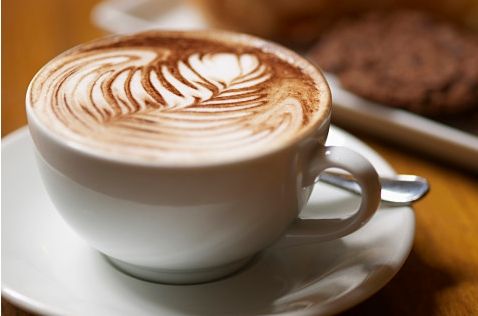
How to Make Italian Latte & Euro-Style Flat White
If you’ve ever ordered a latte in Italy, you might have noticed it’s not the same drink you get at American cafés. In Italy, the latte—simply espresso and milk—is a breakfast staple, often made quickly at home with equal attention paid to the milk as to the shot. But how do you recreate that balanced, creamy, and smooth drink at home? This guide breaks down the traditional Italian latte and explains how it differs from other milk-based coffees like the Euro-style flat white.
To make a classic Italian latte, use 20g of espresso extracted to 40g in 28–30 seconds, then add 240ml of steamed milk (for a 300ml cup). That’s a 1:6 coffee-to-milk ratio by volume, or 1:8 by weight. The milk should have ~1cm of microfoam and be textured, not frothed. Here’s the full breakdown.
What Is an Italian Latte?
“Latte” means “milk” in Italian, and an Italian latte is literally espresso plus milk. Unlike the layered café latte popularized in the U.S., the original Italian version is a simple, balanced drink—no art, no extra steps, just good espresso and silky milk. It’s popular as a breakfast coffee in Italy, often prepared alongside a quick pastry. The magic comes from how milk softens the intensity of espresso, especially when the shot has good crema.
The drink likely originated in 17th-century Vienna, not Italy. When Turkish troops retreated, they left behind coffee beans that were turned into the city’s first coffeehouse offering. To suit European palates, the Viennese filtered the grounds and added milk, creating a smoother, sweeter drink that caught on across Europe—and eventually evolved into what many now call a latte.
What Coffee Beans and Milk Work Best for Latte?
You only need two ingredients: espresso and milk. But the quality of both matters. For espresso, FrontStreet Coffee recommends using a stable, well-roasted espresso blend rather than a single origin. Blends offer balanced flavour, better crema, and more forgiveness during milk pairing. They’re also cost-effective for everyday brewing.
Ideally, choose a medium or darker roast blend designed for espresso machines. These beans develop thicker crema, which holds up better under milk. Freshness is important—but not too fresh. If your beans were roasted less than 7 days ago, let them rest for 7–10 days before use. They’re at peak flavour around day 14–45. For inspiration, FrontStreet’s Classic Blend includes Brazilian and Mandheling beans with a touch of Robusta to boost crema, offering flavours of caramel, chestnut, chocolate, and cream—great for lattes.
As for milk, use fresh, cold whole milk. The fat content helps with texture and sweetness. For a standard 300ml latte, you’ll use about 240ml milk and 60ml espresso. Skim milk foams differently and lacks body, while oat or almond milk behaves differently in texture and sweetness—though they can work in a pinch.
Step-by-Step: How to Make an Authentic Italian Latte
FrontStreet’s baristas use a double basket (18–20g capacity), dosing 20g of ground espresso. The target brew ratio is 1:2—20g in, 40g out—in a 28–30 second extraction. Here’s the full process:
- Prepare your tools: Use a ceramic cup, a 300ml latte cup, a steam pitcher, and fresh whole milk.
- Dose and tamp: Grind 20g of espresso blend, distribute evenly with a WDT tool or gentle shake, then tamp with about 30–40 pounds of pressure. The puck should be level and compact.
- Prep the machine: Run a quick 1–2 second purge to clean the group head. Place your cup on the scale, tare it, and position the portafilter.
- Extract the espresso: Start the shot and aim for 40g of espresso in 28–30 seconds. If it finishes in under 20 seconds, the grind is too coarse; over 35 seconds means it’s too fine or channeling occurred.
- Steam the milk: Pour around 240ml of cold milk into the pitcher (final drink size ~300ml). Start steaming by purging the wand briefly to release condensation. Submerge the tip just below the surface to create microfoam, then sink it deeper to spin and stretch the milk. Stop steaming when the pitcher is too hot to touch (around 60–65°C).
- Combine and pour: Pour the espresso into your latte cup. Start pouring the milk from a height to integrate, then lower the pitcher and finish with a gentle swirl or light latte art if desired. The milk should have about 1cm of smooth microfoam, not dry foam.
How to Make an Italian-Style Iced Latte
Iced latte is much simpler. There’s no steaming involved. Just combine cold espresso with cold milk over ice. Here’s the basic method:
- Add about 100g of ice to a glass.
- Pour in 180ml of cold milk.
- Add 30g of espresso (a single shot, or adjust to taste).
- Stir before drinking to integrate the layers.
Ratio-wise, most recipes fall between 1:4 to 1:8 espresso to milk by volume, depending on roast level and personal taste. Darker roasts (like those with chocolate or nut flavours) can handle more milk—FrontStreet uses a 1:6 ratio for balance. Lighter roasts, which are fruitier and more acidic, are better with less milk (around 1:4 to 1:5) to avoid masking their delicate flavours.
Frequently Asked Questions
What’s the difference between Italian latte and café latte?
An Italian latte is simply espresso and steamed milk, typically in a 1:6 to 1:8 ratio, served in a regular cup without foam art or layers. A café latte (especially the US version) usually involves a standard espresso shot poured over steamed milk with a thin layer of foam on top, often served in a taller glass or cup with more pronounced layering.
What coffee-to-milk ratio is used in a classic Italian latte?
A traditional Italian latte uses about 30–60ml of espresso (1:2 brew ratio) and 240ml of milk in a 300ml cup, resulting in an espresso-to-milk ratio between 1:4 and 1:8 by volume—or roughly 1:6–1:8 overall. FrontStreet uses around 20g espresso to 240ml milk for a balanced drink.
Can I use any espresso beans for latte?
It’s better to use a well-rounded espresso blend rather than a single origin. Blends provide more crema, balanced flavour, and better texture when mixed with milk. Single origins can be too bright or acidic unless lightly milked. Avoid very fresh beans; let them rest 7–10 days post-roast for optimal flavour.
How is Italian latte different from Euro-style flat white?
A Euro-style flat white has a higher espresso-to-milk ratio and a thinner layer of microfoam compared to a latte. It typically uses 2 shots of espresso and around 150–180ml of milk, resulting in a stronger coffee flavour and velvety texture. A latte has more milk and foam, making it milder and creamier overall.
Should I steam milk differently for latte versus cappuccino?
Yes. Lattes require more milk and smoother microfoam (about 1cm thick), whereas cappuccinos need drier, more airy foam (around 2–3cm) with a distinct layer on top. For lattes, steam the milk longer to stretch it gently and create a glossy, pourable texture ideal for pouring through the coffee.
Recommended FrontStreet Coffee Blends for Latte
For the best homemade Italian latte, try FrontStreet Classic Blend—a well-balanced espresso with Brazilian and Mandheling beans, plus a hint of Robusta for extra crema. It offers flavours of caramel, chestnut, chocolate, and cream, perfect for milk drinks. Alternatively, Black Cocoa Blend is a high-value, full-bodied option with rich texture and deep notes, ideal for cafés or home use on a budget. Both blends are roasted for espresso machines and produce thick crema that holds up well under milk. Freshly roasted within 5 days · Orders placed before 17:00 ship the same day · Next-day delivery across most of Guangdong Province.
FrontStreet Coffee is a long-established specialty coffee roaster in Guangzhou China, selling freshly roasted beans from its own farm in Yunnan as well as dozens of carefully selected single-origin beans from around the world for both pour-over and espresso. The products deliver consistently excellent quality and great value, with shipping within 24 hours. Guangzhou's FrontStreet Coffee shop is recommended by many coffee lovers, and the beans are now available online at the Tmall 。
Important Notice :
前街咖啡 FrontStreet Coffee has moved to new addredd:
FrontStreet Coffee Address: 315,Donghua East Road,GuangZhou
Tel:020 38364473