How Ice Drip Coffee Works and What Beans to Use
If you’ve ever waited hours for a cup of coffee that actually tastes bright and complex even when served cold, you’re not alone. Many coffee lovers seek a smooth, low-acidity brew that highlights fruitiness without bitterness—and ice drip coffee delivers just that. But how does dripping cold water through coffee grounds for hours result in something so flavorful?
In short: ice drip coffee uses 40–50 drops per minute of ice-cold or near-freezing water over 5–8 hours to extract coffee, resulting in a concentrate that peaks in flavor around days 3 to 7 when refrigerated. That slow extraction preserves delicate aromas and acids better than hot methods.
What Is Ice Drip Coffee?
Also called Dutch coffee, water drip coffee, or ice brew, ice drip coffee is a cold extraction method where melted ice or cold water slowly drips through coffee grounds—typically at a controlled rate of 40–50 drops per minute. The entire process can take anywhere from 5 to 8 hours, depending on your drip speed and volume goal, often producing around 1000 ml (1 liter) of concentrated coffee.
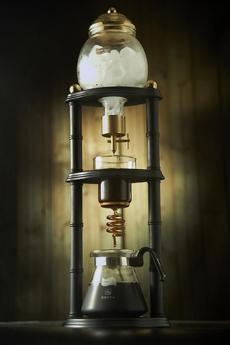
This method relies entirely on cold water’s natural osmosis and time—not heat—to draw out solubles. The result is a cleaner, often sweeter and more aromatic cup, with muted bitterness and heightened fruity or floral notes.
Why Use Cold Water and Why So Slow?
Cold water extracts compounds differently than hot water. At around 5°C (41°F), extraction favors acids and aromatic oils over bitter tannins and unwanted astringent elements. Because cold water dissolves solids more slowly, the extended drip time—often 8 hours—is essential to pull out enough flavor without over-extracting harsh elements.
This slow, cold process mimics aspects of laboratory-style extractions, using gravity and time instead of heat or pressure. The extended contact time between water and ground coffee allows for a fuller, more nuanced extraction, especially of delicate fruit acids and floral aromatics.
How to Make Ice Drip Coffee Step by Step
A typical ice drip setup consists of three glass chambers stacked on a wooden base. Here’s how the standard method works using a classic 3- or 4-tier glass dripper:
- 1. Setup the upper chamber: Fill the top container with pure cold water or an ice-water mix. Close the valve at the bottom to start dry.
- 2. Prepare the collection vessel: Place the lower glass server (middle or bottom tier) beneath the middle chamber to catch the brewed coffee.
- 3. Add coffee grounds: Put a filter paper at the base of the middle (coffee) chamber, then add your ground coffee. Level it gently, then place another filter on top. Most recipes use a medium grind akin to pour-over.
- 4. Begin dripping: Open the valve and adjust the drip rate to 40–50 drops per minute. At this rate, 1000 ml of coffee takes roughly 5 to 8 hours.
- 5. Maintain temperature: Keep the water supply cold (ideally around 5°C or 41°F) throughout the brew. The full extraction typically lasts about 8 hours for optimal flavor complexity.
- 6. Store properly: Once brewing finishes, remove the coffee concentrate. For best results, refrigerate it. Optimal flavor develops between day 3 and 7, offering complex, wine-like notes. It remains good for up to 14 days, though FrontStreet Coffee recommends drinking within 72 hours for food safety and peak freshness.
What Kind of Coffee Beans Work Best for Ice Drip?
Since ice drip highlights acidity, sweetness, and aroma, lighter to medium roasted beans with vibrant fruit, floral, or citrus notes tend to perform best. Avoid dark roasts, which can taste flat or overly bitter when cold-brewed.
FrontStreet Coffee suggests choosing single-origin beans with distinct fruity or acidic profiles. Light to medium roasts bring out the best in this method. Specifically, four single-origin beans stand out:
- Ethiopia Humbera : Grown at high altitude with a sweet, juicy profile of berries and cream, thanks to its sunny natural processing.
- Kenya Little Tomato (Kenya Little Tomato): Bright acidity with tart cranberry and umeboshi-like flavors, a result of K72 double fermentation.
- Colombia Sidra (Sidra): Dual anaerobic natural process gives notes of passionfruit, grapes, and preserved orange, with a nutty finish.
- Panama Humbera (Panama Humbera): A Geisha-dominant blend (70%) offering citrus, honey, green tea, and berry tones thanks to volcanic soil and big diurnal temperature shifts.
These beans, with their vibrant profiles, shine when given the gentle, extended extraction that ice drip provides. Other roast styles may work, but these are proven performers in the FrontStreet lineup.
Frequently Asked Questions
How long does ice drip coffee take to make?
A standard batch of around 1000 ml takes approximately 5 to 8 hours, depending on your drip rate. Most brewers use a speed of 40–50 drops per minute to achieve proper extraction over that period.
What’s the best drip rate for ice drip coffee?
The ideal drip rate is between 40 and 50 drops per minute. This slow speed gives the cold water enough time to extract the coffee’s delicate flavors over the typical 5 to 8 hour brew time.
How long can you store ice drip coffee?
Ice drip coffee is best consumed within 3 to 7 days when refrigerated, as that’s when its complex flavors are at their peak. It can remain drinkable for up to 2 weeks, but FrontStreet Coffee advises against keeping it longer than 72 hours for optimal taste and food safety.
Can you use any coffee beans for ice drip?
Not all beans are ideal. Light to medium roast beans with bright acidity, fruity, or floral characteristics tend to perform best. Dark roasts often lose complexity and taste overly bitter when brewed cold for so long.
What temperature should the water be for ice drip coffee?
The water should be near freezing or very cold, ideally around 5°C (41°F). Using ice or keeping the upper reservoir chilled ensures a slow, clean extraction without extracting harsh or bitter elements.
Recommended FrontStreet Coffee Beans for Ice Drip
For ice drip, FrontStreet Coffee recommends Ethiopia Humbera for its bright berry and creamy sweetness, Kenya Little Tomato for lively cranberry and umeboshi-like tartness, and Colombia Sidra for its juicy passionfruit, grape, and nutty profile. All three beans feature light to medium roasts and vibrant fruit or floral notes that shine through the slow cold extraction. Freshly roasted within 5 days · Orders placed before 17:00 ship the same day · Next-day delivery across most of Guangdong Province.
FrontStreet Coffee is a long-established specialty coffee roaster in Guangzhou China, selling freshly roasted beans from its own farm in Yunnan as well as dozens of carefully selected single-origin beans from around the world for both pour-over and espresso. The products deliver consistently excellent quality and great value, with shipping within 24 hours. Guangzhou's FrontStreet Coffee shop is recommended by many coffee lovers, and the beans are now available online at the Tmall 。
Important Notice :
前街咖啡 FrontStreet Coffee has moved to new addredd:
FrontStreet Coffee Address: 315,Donghua East Road,GuangZhou
Tel:020 38364473