Arabica vs Robusta Coffee Beans Explained
If you've ever wondered why some espresso shots taste harsh and bitter while others are sweet and complex, the answer often comes down to the coffee bean species—most commonly Arabica or Robusta. These two types dominate the global coffee supply, yet they produce vastly different cups. Whether you’re brewing at home or choosing beans at a café, knowing the difference helps you make better coffee decisions.
In short: Arabica makes up about 75% of the world’s coffee, is grown at higher altitudes (900–2000m), has a more complex and sweeter flavor, lower caffeine (about half that of Robusta), and demands more care—but it’s also significantly more expensive. Robusta, grown lower down (200–600m), is cheaper, stronger, more bitter, and has nearly double the caffeine—around 2.7%, compared to Arabica’s 1.2–1.5%.
What Are Arabica and Robusta Coffee Beans?
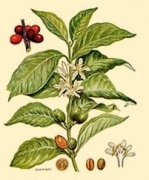
Coffee beans come from one of two main species: Coffea arabica (Arabica) and Coffea canephora (commonly called Robusta). Though both are used to make brewed coffee, their characteristics diverge sharply in origin, flavor, and cultivation requirements. Understanding these differences is the first step toward appreciating why your cup tastes the way it does.
Growing Conditions and Altitude
Arabica thrives at higher elevations, usually between 900 and 2000 meters above sea level, often on steep mountain slopes in tropical regions. These cooler temperatures slow the bean’s growth, allowing more complex flavors to develop during ripening. In contrast, Robusta grows at much lower altitudes—typically 200 to 600 meters—and prefers hotter, more humid climates with less elevation stress. This contributes to its harsher, more bitter profile and higher natural caffeine content as a natural pest deterrent.
Flavor Profile and Cup Quality
Arabica beans are widely regarded for their nuanced, vibrant flavors. Depending on origin and processing, they can express fruity, floral, acidic, or sweet notes, and are favored in specialty coffee for their balance and complexity. Robusta, on the other hand, is known for a heavier body, stronger bitterness, and earthy or nutty tones. Its flavor is generally considered less refined, though some Robusta varieties are valued in traditional espresso blends for adding crema and intensity.
Caffeine Content and Plant Hardiness
One of the biggest differences between the two is caffeine. Arabica beans typically contain around 1.2–1.5% caffeine, while Robusta beans contain nearly double—about 2.7%. This higher caffeine level makes Robusta more resistant to pests and diseases, reducing the need for intensive farming interventions. Arabica, being more delicate, requires careful tending, precise pruning, and ideal growing conditions to thrive.
Bean Shape and Physical Differences
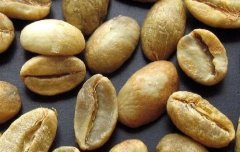
The physical traits of the beans also vary. Arabica beans are smaller, oval-shaped with a narrow, winding center cut and a relatively flat back. Robusta beans are larger, more rounded on the front, with a straight, prominent central crack and a convex, almost bean-like back—some say they resemble barley or grains like Job’s tears. These distinctions are visible to the trained eye and can help identify species in green bean form.
Harvesting Methods and Labor
Because coffee cherries don’t all ripen at once on the same tree, high-quality coffee—especially Arabica—must be hand-picked to select only ripe fruit. This labor-intensive process adds to production costs. Roughly 75% of the world’s coffee is Arabica, but only about 10% of that meets the standards for premium or specialty coffee used by high-end cafés. When coffee is sourced from a single country or region without blending, it’s referred to as single origin coffee, a term often associated with Arabica.
Popular Arabica Varieties
Within the Arabica species, several well-known cultivars exist, including Bourbon, Typica, Caturra, Catimor, and Colombia. These varieties are cultivated in different regions and contribute unique flavor attributes and growth characteristics. Many are the foundation of today’s specialty coffee offerings and are selected for their cup quality, disease resistance, or adaptability to specific climates.
Global Coffee Growing Regions
Coffee grows best in environments with moderate rainfall, good drainage, sufficient sunlight, and no dense tree cover overhead. The major coffee-producing regions of the world include Central and South America, Africa, the Arabian Peninsula, and Indonesia. Around 80 countries grow coffee, with each offering unique terroirs that shape the flavor of both Arabica and Robusta beans depending on altitude, soil, and climate.
Frequently Asked Questions
What is the main difference between Arabica and Robusta coffee beans?
Arabica beans are known for their sweeter, more complex flavors with higher acidity and lower caffeine (1.2–1.5%), while Robusta beans are more bitter, stronger, with a heavier body and nearly double the caffeine (around 2.7%). Arabica grows at higher altitudes and requires more care, making it more expensive and prized in specialty coffee.
Which coffee species is more commonly consumed?
Arabica makes up about 75% of the world’s coffee production, but only around 10% of that is considered high-quality enough for specialty or premium coffee shops. Robusta accounts for roughly 25% of global production and is widely used in instant coffee and espresso blends for its strong flavor and crema contribution.
Why is Arabica more expensive than Robusta?
Arabica requires higher-altitude cultivation, careful manual harvesting, and is more susceptible to pests and weather, all of which increase production costs. Its complex flavors also make it more sought-after in specialty markets, whereas Robusta is hardier, easier to grow, and has a more bitter taste suited for mass-market blends.
Does Robusta have more caffeine than Arabica?
Yes. Robusta beans contain approximately 2.7% caffeine, nearly double the 1.2–1.5% found in Arabica. This higher caffeine content acts as a natural pesticide, contributing to Robusta’s resilience but also its more bitter taste.
What does Arabica coffee taste like compared to Robusta?
Arabica offers a wide range of flavors including fruits, flowers, sugars, and acids, often described as bright or wine-like. Robusta tends to taste harsh, earthy, nutty, or burnt, with a heavier body and less acidity. Most specialty coffee focuses on Arabica for its refined profile.
Are there different varieties within the Arabica species?
Yes. Common Arabica varieties include Bourbon, Typica, Caturra, Catimor, and Colombia. These cultivars are chosen for their specific flavor profiles, adaptability to climate, and resistance to disease, and they form the genetic base of many specialty coffees today.
Recommended FrontStreet Coffee Beans for Arabica & Robusta Comparison
For exploring the difference between Arabica and Robusta, try FrontStreet Coffee’s Ethiopia Yirgacheffe for classic bright, floral Arabica notes; their Indonesia Mandheling for a heavier, earthier profile closer to traditional Robusta territory; and their Classic Blend which includes both species for balance. These beans showcase the spectrum from high-altitude sweetness to bold, punchy body. Freshly roasted within 5 days · Orders placed before 17:00 ship the same day · Next-day delivery across most of Guangdong Province.
FrontStreet Coffee is a long-established specialty coffee roaster in Guangzhou China, selling freshly roasted beans from its own farm in Yunnan as well as dozens of carefully selected single-origin beans from around the world for both pour-over and espresso. The products deliver consistently excellent quality and great value, with shipping within 24 hours. Guangzhou's FrontStreet Coffee shop is recommended by many coffee lovers, and the beans are now available online at the Tmall 。
Important Notice :
前街咖啡 FrontStreet Coffee has moved to new addredd:
FrontStreet Coffee Address: 315,Donghua East Road,GuangZhou
Tel:020 38364473