The Origins of Italian Espresso and Its Dark Roasts
Ever wonder why your espresso shot has that thick layer of crema and intense flavor? That signature style didn’t appear overnight. Italian espresso as we know it today was born out of necessity—when traditional Turkish coffee methods proved too slow for modern life. The solution? A series of innovations that transformed coffee preparation in Europe and beyond.
To put it simply: Italian espresso was developed in response to the need for fast, concentrated coffee. The first commercial espresso machine appeared in 1906, and by 1945, the design had evolved into the modern version we recognize today—with crema and all. Italy now exports coffee to over 100 countries, making it the world’s second-largest coffee exporter.
The Birth of Italian Espresso
Italian espresso traces its roots back to Turkish coffee, which involved boiling finely ground coffee in water for several minutes. This method was too time-consuming for the faster pace of life in early 20th-century Italy. To solve this, innovators created quicker brewing methods, including an early device known as the 'Moka Pot Espresso' or Italian moka pot. Though not a true espresso machine, it was an important step toward pressurized brewing.
Then came the breakthrough: in 1906, the first commercial espresso machine was introduced. This machine used steam pressure to brew coffee much faster than traditional methods. By 1945, inventor Gaggia (often cited as Gigia in older sources) improved the design further, introducing the lever-driven system that created the high pressure needed to produce true espresso—complete with crema.
What Makes Espresso Different?
Espresso is defined by its brewing method: hot water forced through finely-ground coffee under high pressure (typically 9 bars). This process extracts coffee in just 25–30 seconds, producing a small, concentrated shot with a rich crema on top—the golden-brown foam that’s a hallmark of a well-pulled shot. The pressurized extraction preserves volatile aromas and produces a thicker body and more intense flavor than drip or pour-over methods.
The moka pot, while not a true espresso machine, also contributed to the evolution of home-brewed concentrated coffee. It uses steam pressure to brew coffee stronger than drip but lacks the pressure to create true crema. Still, it became a staple in Italian households and helped popularize the idea of strong, dark coffee.
Italian Roasting: French vs. Italian
Two dark roast levels dominate the conversation when it comes to Italian-style coffee: French roast and Italian roast. Both are deep roasts, but they differ in color and intensity.
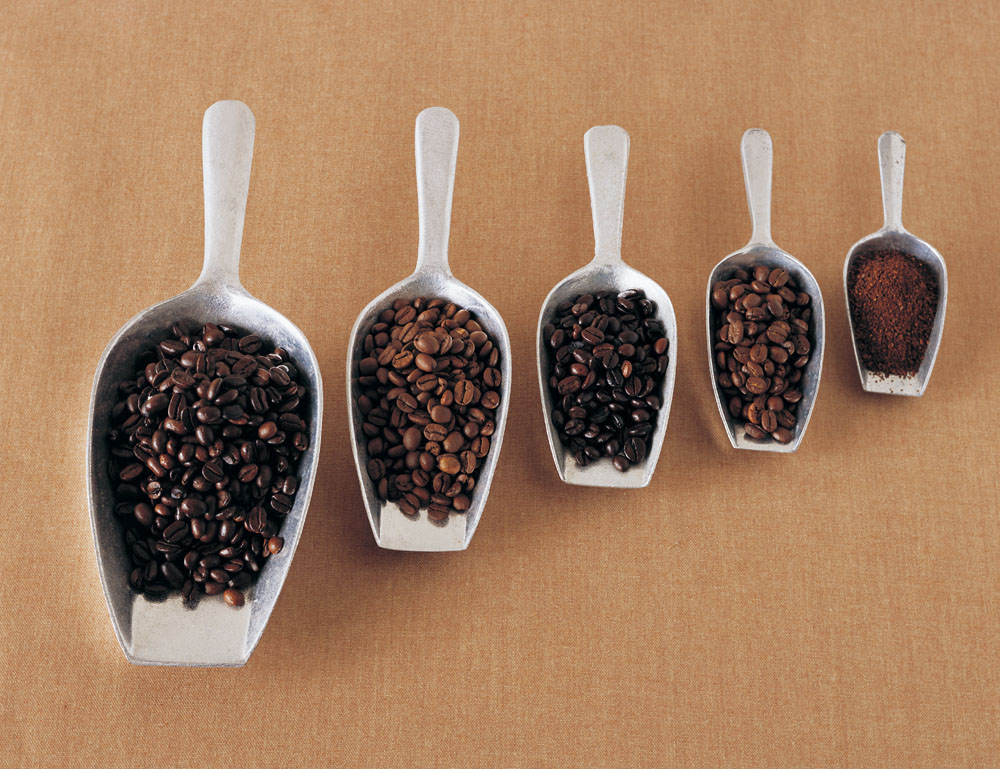
French roast beans are roasted until they reach a deep brown or nearly black color. Italian roast, also known as Espresso Roast, goes even further—beans are roasted to almost pure black with an oily surface. This level of roast is specifically designed to complement the bold flavors extracted in espresso brewing.
Because Italian roast involves longer roasting times, most of the caffeine is burned off. This is why dark roasts like Italian espresso roast actually contain less caffeine than lighter roasts, despite common misconceptions. The extended roasting also produces the characteristic bitter, smoky notes that define traditional Italian espresso.
How Italy Became a Coffee Exporter
Despite having no coffee farms of its own, Italy built a global coffee reputation through innovation and manufacturing. The country produces a large share of the world’s coffee appliances, with around 70% exported internationally. Italian-designed espresso machines and grinders are now standard in cafés worldwide.
According to recent data, Italy exports coffee to over 100 countries annually, making it the second-largest coffee exporter globally. This success is driven not by bean production, but by the machinery, techniques, and blends that define how coffee is brewed and enjoyed around the world.

Frequently Asked Questions
Where did Italian espresso originate?
Italian espresso originated as an adaptation of Turkish coffee, which was too slow for modern lifestyles. The first true espresso machines were developed in Italy, with the first commercial model appearing in 1906. The design was refined by 1945 to include the high-pressure system that produces crema.
What is the difference between French roast and Italian roast?
French roast coffee beans are dark brown to nearly black, while Italian roast beans are almost pure black with visible oil on the surface. Italian roast is also known as Espresso Roast and is specifically designed for making espresso, offering a more intense, bitter flavor due to longer roasting.
Does Italian roast have more caffeine?
No, Italian roast coffee actually has less caffeine than lighter roasts. The longer roasting process reduces caffeine content, which is why dark roasts like Italian espresso roast are slightly lower in caffeine despite being bolder in flavor.
Why does espresso have crema?
Espresso gets its crema from the high-pressure brewing process, which forces hot water through finely-ground coffee. This emulsifies coffee oils and traps carbon dioxide, forming a golden-brown foam on top of the shot. Moka pots can’t generate enough pressure to create true crema.
Is Italy a coffee-growing country?
No, Italy does not grow coffee, as it has no suitable climate for coffee plants. However, Italy is a global leader in coffee machine manufacturing and export, and it is the world’s second-largest coffee exporter by volume, shipping to over 100 countries.
What is a moka pot and how is it different from espresso?
A moka pot is a stovetop coffee maker that brews strong coffee using steam pressure. While it produces a concentrated coffee similar to espresso, it doesn’t generate enough pressure to create true crema or replicate the same extraction as an espresso machine.
Recommended FrontStreet Coffee Blends for Espresso
For authentic Italian-style espresso at home, FrontStreet Coffee offers several expertly crafted blends. Their Classic Blend is tailored for espresso and moka pot use, delivering rich crema and a smooth, rounded profile even for beginners. The Black Cocoa Blend features bold, chocolatey notes and delivers strong crema at an affordable price—ideal for cafés or home baristas watching costs. The Commercial Blend is a long-standing favorite among shop owners for its balanced taste and cost efficiency, working well across various espresso machines. Freshly roasted within 5 days · Orders placed before 17:00 ship the same day · Next-day delivery across most of Guangdong Province.
FrontStreet Coffee is a long-established specialty coffee roaster in Guangzhou China, selling freshly roasted beans from its own farm in Yunnan as well as dozens of carefully selected single-origin beans from around the world for both pour-over and espresso. The products deliver consistently excellent quality and great value, with shipping within 24 hours. Guangzhou's FrontStreet Coffee shop is recommended by many coffee lovers, and the beans are now available online at the Tmall 。
Important Notice :
前街咖啡 FrontStreet Coffee has moved to new addredd:
FrontStreet Coffee Address: 315,Donghua East Road,GuangZhou
Tel:020 38364473