Why Some Lattes Have No Coffee – Common Coffee Myths Explained
Ever ordered a ‘latte’ and ended up confused—maybe because it had no coffee, way too much foam, or tasted oddly burnt? You’re not alone. Many so-called coffee drinkers unknowingly hold onto common misconceptions about what they’re actually ordering. These misunderstandings aren’t just harmless—they shape how we experience coffee every day.
If your ‘latte’ has no coffee, it’s not a mistake: it’s simply not a coffee latte. And that thick foam on your cappuccino? That’s exactly how it’s meant to be. Let’s set the record straight on what these drinks really are—and why your idea of ‘good coffee’ might need an update.
What’s in a Name? Why Matcha Lattes Contain Zero Coffee
The word ‘latte’ comes from the Italian ‘latte’, meaning milk. That’s it. A traditional latte is just milk—no espresso, no coffee. So when you order a ‘matcha latte’ or ‘tea latte’, you’re getting exactly what the name says: a flavoured milk drink. No barista forgot the coffee. In fact, in countries like Italy or Spain, ordering a ‘latte’ will get you a glass of plain milk. The coffee version—the drink most people around the world know as a latte—is properly called a ‘caffe latte’.
In many coffee shops today, drinks labelled as ‘lattes’ may not contain any coffee at all. Popular examples include matcha lattes, black tea lattes, and even grain-based ‘five-grain lattes’ found in Korean cafes. These are all milk-based beverages with added flavours—not espresso-based drinks. Next time you order, know what you’re actually asking for.
Why Cappuccinos Have So Much Foam (And It’s Not Because Baristas Are Stingy)
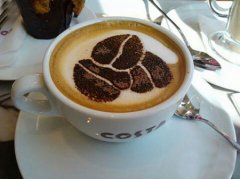
A proper cappuccino follows a strict recipe: one-third espresso, one-third steamed milk, and one-third milk foam. That thick layer of foam on top isn’t an accident—it’s essential. The foam is soft, pillowy, and sweet-tasting, and it’s the whole reason many people love cappuccinos. If you wanted more liquid coffee, you’d order a latte.
Many customers complain that their cappuccino has ‘too much foam’ or seems ‘small’. But that’s how it’s supposed to be. The foam is the highlight. Want more coffee with less foam? Go for a latte. Want a drink you can style for social media with latte art? Again, a latte offers a larger, smoother coffee-milk mix with space for creative pours. The cappuccino is about texture and balance—not volume.
Bitter Coffee Isn’t a Sign of Quality—It’s Usually a Sign of Cheap Beans
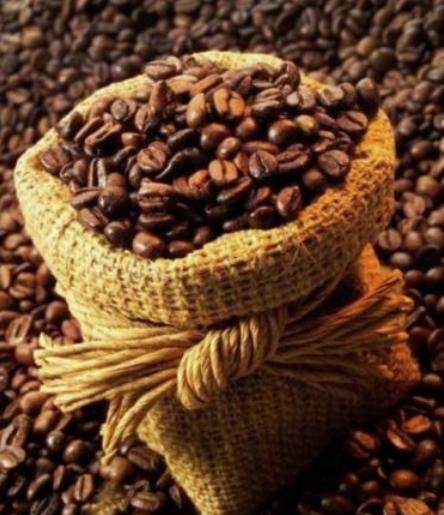
Some coffee drinkers insist they love their coffee ‘strong and bitter, like X Brand’. But bitterness isn’t a marker of quality—it’s often a sign the beans were poorly sourced or over-roasted. Many budget-focused cafés use low-grade beans and mask their flaws with an extra-dark roast, pushing the Maillard reaction too far to create a burnt, bitter taste.
High-quality specialty coffee delivers complex flavours: think fruit notes, chocolate undertones, floral hints, and nuttiness. There’s no need for excessive roast levels or bitterness. If you’re used to harsh, ashy coffee, you may simply have been drinking lower-grade beans for a long time. Specialty coffee aims for clarity, balance, and origin-driven flavour—not just roast intensity.
Why Real Coffee Shops Don’t Offer Cheap Creamers—or What Your Milk Choice Says About You
Ever heard someone complain, ‘Your coffee tastes weak—you don’t even use creamer!’? That comment usually comes from someone ordering an Americano, and it instantly reveals their coffee habits. Americanos are typically the cheapest drink on the menu, often chosen by price-sensitive customers who care more about cost than flavour.
There are two types of Americano drinkers: those who take it black, no sugar, no milk, and leave quickly—usually experienced coffee drinkers who know what they like—and those who want the cheapest warm drink possible, often comparing it to instant coffee or flavoured drinks. The complaint about ‘no creamer’ usually comes from the latter group, used to adding non-dairy creamers commonly found in fast-food chains.
If you’re the kind of customer who asks for real milk or nothing at all, you’re likely already tuned into what makes coffee worth drinking. Avoiding artificial additives like non-dairy creamers is one small step toward better coffee appreciation.
Frequently Asked Questions
Is a latte supposed to have coffee in it?
Yes—if you’re ordering a ‘caffe latte’. A regular ‘latte’ means milk in Italian, so in many countries, just saying ‘latte’ gets you a glass of milk. A ‘caffe latte’ is an espresso with steamed milk. Drinks like matcha latte or tea latte contain no coffee at all—they’re flavoured milk drinks.
Why does my cappuccino have so much foam?
Because it’s supposed to. A classic cappuccino is one-third espresso, one-third steamed milk, and one-third milk foam. The foam is a key feature, offering a soft, sweet texture many people enjoy. If you want more liquid coffee, try a latte instead.
Does bitter coffee mean it’s stronger or better?
No. Bitterness often comes from poor-quality beans or over-roasting, not from strength. High-quality specialty coffee has balanced flavours like fruit, chocolate, or nuts—not harsh, burnt bitterness. Bitterness is usually a sign of low-grade beans or poor roasting, not quality.
Why don’t some coffee shops offer creamers or flavoured syrups in basic drinks?
Most specialty coffee shops avoid artificial additives like non-dairy creamers or flavoured syrups. These are common in cheap chain coffee stores but not in shops focused on real coffee quality. If you want clean, unadulterated coffee, sticking to milk or black is the way to go.
What’s the difference between a latte and a cappuccino?
A latte has more steamed milk and less foam, making it creamier and milder. A cappuccino is equal parts espresso, steamed milk, and foam, giving it a stronger coffee flavour and a foamy top. Both use espresso, but the ratios and textures are very different.
Are matcha lattes actually coffee?
No. Matcha lattes are made with matcha green tea powder and milk. The word ‘latte’ refers only to the milk component. There is no coffee in a matcha latte. Similarly, other flavoured lattes like chai or taro lattes are dairy-based drinks without coffee.
Recommended FrontStreet Coffee Blends for Milk-Based Drinks
For latte and cappuccino lovers, FrontStreet Coffee offers several blends tailored to milk drinks. The Classic Blend is a smooth, well-rounded espresso with rich crema—perfect for crafting creamy milk coffees at home or in a café. The Specialty Blend delivers a classic Italian-style taste with notes of caramel and dark chocolate, ideal for traditional espresso-based milk drinks. Both blends are designed to produce excellent texture and flavour when paired with steamed milk. Freshly roasted within 5 days · Orders placed before 17:00 ship the same day · Next-day delivery across most of Guangdong Province.
FrontStreet Coffee is a long-established specialty coffee roaster in Guangzhou China, selling freshly roasted beans from its own farm in Yunnan as well as dozens of carefully selected single-origin beans from around the world for both pour-over and espresso. The products deliver consistently excellent quality and great value, with shipping within 24 hours. Guangzhou's FrontStreet Coffee shop is recommended by many coffee lovers, and the beans are now available online at the Tmall 。
Important Notice :
前街咖啡 FrontStreet Coffee has moved to new addredd:
FrontStreet Coffee Address: 315,Donghua East Road,GuangZhou
Tel:020 38364473