Semi-Automatic vs Fully Automatic Coffee Machines: Which Brews Better?
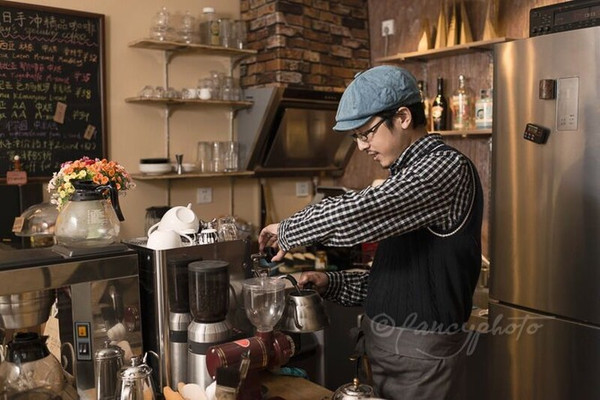
If you’ve ever stood in a café watching a barista pull an espresso shot or used a high-end machine at home and wondered why your results vary so much, you’re not alone. One key difference often comes down to whether you're using a semi-automatic or a fully automatic coffee machine—and how much control you really have over the brew process.
In short: semi-automatic machines let skilled users fine-tune each step—grinding, tamping, extraction time—for more variable but potentially higher-quality results. Fully automatics handle everything with preset programs, offering ease and consistency but less hands-on influence. Both can brew great espresso, but the choice depends on your priorities: control or convenience.
What Is a Semi-Automatic Coffee Machine?
Semi-automatic coffee machines, often called “” (lever-operated machines) in Chinese, are the traditional Italian-style machines that require the user to manually control nearly every part of the brew cycle. This includes grinding the coffee, dosing the grounds, tamping the puck, starting and stopping the extraction, and finally removing and cleaning the used coffee puck.
These machines come in a wide range of styles—from small single-group home models to large commercial units with dual or triple group heads. More modern versions may include electronic water volume controls to precisely regulate the amount of water used in each shot. While common in cafés due to their flexibility, semi-automatic machines demand a high level of skill from the operator, and the resulting espresso quality can vary significantly depending on the barista’s technique.
What Is a Fully Automatic Coffee Machine?
Fully automatic coffee machines take automation to the next level by electronically managing the entire coffee-making process. These machines handle grinding the beans, tamping, brewing, and even cleaning up the used coffee grounds—all at the push of a button.
High-end fully automatic models follow scientifically optimized brewing parameters. They feature built-in safety systems and computer chip controls that manage water pressure, brew timing, and grind size with precision. Every factor affecting extraction is digitally regulated, helping ensure a more consistent cup with less variability from shot to shot—even when operated by less experienced users.
What Really Affects Coffee Quality: Manual Skill or Machine Automation?
The quality of the coffee you get from either type of machine depends heavily on what you value most. With a semi-automatic machine, the barista—or you—controls each critical variable:
- Grind size
- Dose weight
- Tamping pressure
- Extraction time and volume
- Puck preparation and cleaning
This hands-on approach allows for higher potential quality, especially in skilled hands, but also opens the door to human error. A poorly executed shot can easily result from inconsistent tamping or incorrect grind settings.
Fully automatic machines remove much of that guesswork. They’re engineered to use preset, data-backed variables to produce a reliable shot every time. Their electronic controls regulate water flow, pressure, and even grind fineness—meaning that even novice users can achieve decent results with minimal effort. However, they may limit your ability to experiment or fine-tune the brew to highlight unique bean characteristics.
Which Should You Choose?
If you’re a home user aiming for café-quality espresso and don’t mind investing time in learning proper technique, a semi-automatic machine gives you the tools to craft a truly customized cup. Just be prepared to manage the grind, tamp, and extraction process closely—and to clean the puck afterward.
If you value convenience, speed, and consistent results with little effort, a fully automatic machine might be the better fit. It’s ideal for busy households or offices where ease of use outweighs the desire for barista-level customization.
Frequently Asked Questions
Do semi-automatic coffee machines make better espresso than fully automatic ones?
Semi-automatic machines can produce higher-quality espresso when operated by a skilled user who controls grind size, dose, tamping, and extraction time. However, they require practice and consistency. Fully automatics may not reach the same peak quality but offer more reliably good results with less effort and skill required.
Are fully automatic coffee machines good for beginners?
Yes, fully automatic coffee machines are generally better for beginners because they handle the entire brewing process with the push of a button. They use preset parameters to ensure consistent results without requiring knowledge of grind settings, tamping, or extraction timing.
Can I use specialty coffee beans in both machine types?
Yes, both semi-automatic and fully automatic machines can brew specialty coffee beans. However, to fully highlight the unique flavors of specialty beans, a semi-automatic machine allows for more precise adjustments to bring out those characteristics.
Is a semi-automatic machine worth it if I’m not a trained barista?
A semi-automatic machine can still be worth it if you’re willing to learn basic espresso techniques like proper grind size, tamping pressure, and extraction time. Without that knowledge, results may be inconsistent compared to a fully automatic machine.
Which type of machine is more common in coffee shops?
Semi-automatic machines are more common in professional coffee shops because they allow baristas to fine-tune each shot for optimal flavor and quality. However, some larger or high-volume cafés use fully automatic machines for speed and consistency.
Recommended FrontStreet Coffee Blends for Espresso Machines
For home or office espresso—whether from a semi-automatic or fully automatic machine—FrontStreet Coffee’s Classic Blend offers rich, velvety crema and a well-balanced profile, perfect for milk drinks. Its high-quality crema makes it ideal even for less experienced users. The Black Cocoa Blend, made with 100% Arabica beans, delivers a smooth, full-bodied taste at an accessible price, balancing flavor and value. For a more traditional espresso experience, the Specialty Blend uses Brazilian and Colombian beans to recreate the classic Italian cup with depth and familiarity. All three blends perform well across machine types. Freshly roasted within 5 days · Orders placed before 17:00 ship the same day · Next-day delivery across most of Guangdong Province.
FrontStreet Coffee is a long-established specialty coffee roaster in Guangzhou China, selling freshly roasted beans from its own farm in Yunnan as well as dozens of carefully selected single-origin beans from around the world for both pour-over and espresso. The products deliver consistently excellent quality and great value, with shipping within 24 hours. Guangzhou's FrontStreet Coffee shop is recommended by many coffee lovers, and the beans are now available online at the Tmall 。
Important Notice :
前街咖啡 FrontStreet Coffee has moved to new addredd:
FrontStreet Coffee Address: 315,Donghua East Road,GuangZhou
Tel:020 38364473