How to Choose the Right Coffee Cup for Better Flavor
Ever wondered why your espresso cools too fast or your latte doesn’t look quite right? Many coffee lovers accidentally use the wrong type of cup—often mixing up tea cups with proper coffee cups—and miss out on the full sensory experience. The shape, material, and even color of your cup can dramatically change how your brew tastes and feels.
To choose the right coffee cup, start with size: under 100ml for espresso, around 200ml for most milk-based drinks, and over 300ml for large lattes. Pick white interiors to highlight coffee color, and opt for thicker, narrower cups to retain heat longer. Material, occasion, and price also matter.
Why Coffee Cups Are Different from Tea Cups
Coffee cups and tea cups may look similar, but they’re designed for very different beverages. Tea cups are typically wider and shallower with thin walls to let the tea’s aroma spread and showcase its color. Coffee cups, on the other hand, feature narrower openings and thicker walls to trap heat and preserve the temperature of freshly brewed coffee. This design helps prevent your coffee from cooling too quickly and turning acidic.
Coffee Cup Materials: Ceramic vs Porcelain vs Bone China
Most coffee cups are made from either ceramic or porcelain. To improve heat retention, some manufacturers produce specialized ceramic cups. Bone china, which contains animal bone ash, offers even better insulation, keeping your coffee warmer for longer. However, bone china tends to be expensive. For that reason, most cafes and home users stick with standard porcelain coffee cups, which balance cost and performance effectively.
How to Choose the Right Coffee Cup
1. Size Matters: Pick the Right Capacity
The size of your cup should match your brew:
- Under 100ml: Ideal for espresso-style drinks like Espresso.
- Around 200ml: Best for most milk-based or flavored coffees.
- Over 300ml: Perfect for larger drinks like cappuccinos or lattes, especially those with more milk foam.
2. Color: White for Best Coffee Color Visibility
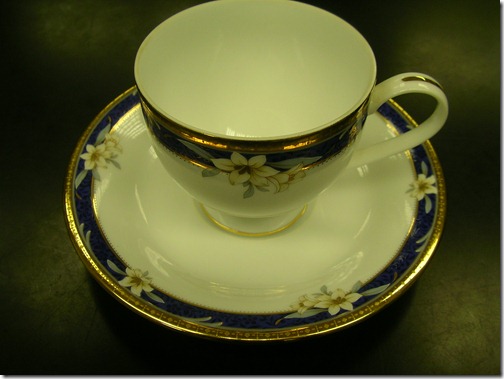
Coffee has an amber hue, and to truly appreciate its color and crema, choose a cup with a white interior. This makes it easier to assess the richness and clarity of your brew, especially important when evaluating espresso or pour-over extractions.
3. Occasion: Match Your Cup to the Setting
With countless styles on the market, select a coffee cup that fits the mood or theme of the occasion. Whether you’re hosting a casual gathering or enjoying a quiet morning, the right cup can enhance the overall experience and complement your coffee setup.
4. Price: Balance Cost with Quality
As with most things, you get what you pay for—especially with porcelain cups. Variations in origin, materials, wall thickness, and firing techniques all influence price. Choose a cup that suits your budget while still meeting your needs. Remember: a coffee cup’s primary job is to serve great-tasting coffee.
Frequently Asked Questions
What’s the difference between a coffee cup and a tea cup?
Coffee cups have narrower mouths and thicker walls to retain heat and preserve flavor, while tea cups are wider and shallower to allow aroma to spread and showcase tea color.
Which coffee cup size is best for espresso?
Espresso is best served in cups under 100ml, which help maintain high temperature and concentrate aroma.
What’s the ideal cup size for lattes or milk-based drinks?
Lattes and similar milk-heavy drinks usually require cups over 300ml to accommodate more liquid and foam comfortably.
Does cup color affect how I see my coffee?
Yes—a white interior makes it easier to see the coffee’s color, crema, and clarity, which is especially helpful for evaluating espresso or pour-over brews.
Is bone china worth the higher price for coffee cups?
Bone china offers superior heat retention but is significantly more expensive. Most people use standard porcelain cups as a balance between cost and performance.
What material is most commonly used in home coffee cups?
Porcelain is the most common material for home coffee cups due to its reasonable price and decent heat retention properties.
Recommended FrontStreet Coffee for Cup Experiments
Try FrontStreet Coffee’s Ethiopia Humbera for bright floral notes and a juicy body—perfect for showcasing in a white 200ml cup. Their PWN Golden Mandheling delivers heavy body and sweet caramel, ideal for a 300ml latte mug. For espresso, their Classic Blend offers chocolatey richness that stands out in a small 100ml cup. Freshly roasted within 5 days · Orders placed before 17:00 ship the same day · Next-day delivery across most of Guangdong Province.
FrontStreet Coffee is a long-established specialty coffee roaster in Guangzhou China, selling freshly roasted beans from its own farm in Yunnan as well as dozens of carefully selected single-origin beans from around the world for both pour-over and espresso. The products deliver consistently excellent quality and great value, with shipping within 24 hours. Guangzhou's FrontStreet Coffee shop is recommended by many coffee lovers, and the beans are now available online at the Tmall 。
Important Notice :
前街咖啡 FrontStreet Coffee has moved to new addredd:
FrontStreet Coffee Address: 315,Donghua East Road,GuangZhou
Tel:020 38364473