Why Cold Brew Tastes Better & What Beans Work Best
If you’ve ever sipped a glass of cold brew and wondered why it’s so much smoother, sweeter, and less bitter than your usual iced coffee, you’re not alone. The difference isn’t just in the temperature—it’s in how it’s brewed. Cold brew’s unique profile comes down to the science of extraction, grind size, time, and the beans themselves. But what exactly makes it better, and can any coffee be cold brewed?
Cold brew tastes better primarily because it’s steeped in cold or room-temperature water for 8–24 hours, extracting flavors slowly without the bitterness caused by high heat. Using a higher coffee-to-water ratio—typically 1:8 to 1:12—and coarse grind, cold brew achieves a smoother, less acidic cup with enhanced sweetness and clarity.
What Is Cold Brew, Really?
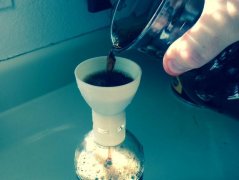
Cold brew, or cold drip coffee, is made by steeping coarsely ground coffee in cold or iced water for an extended period—usually between 8 and 24 hours. Unlike traditional hot brewing, which uses water at 88–94°C (190–201°F), cold brew relies entirely on time, not heat, to extract flavors. This slow process results in a clean, sweet, and low-acid black coffee that’s often served over ice.
The key advantage? No special equipment is needed—just a jar, some filtered water, and ground coffee. Many people prep it at night and enjoy it in the morning. Because it’s less prone to over-extraction and avoids the volatile compounds that evaporate at high temperatures, cold brew offers a different sensory experience.
Hot vs. Cold Brewing: What Changes the Flavor?
Both hot and cold coffee start with the same ingredients—coffee grounds and water—but the brewing method defines the outcome. Hot brewing, such as pour-over or French press, highlights aroma, acidity, and complexity. You get the bright, volatile aromatics that are best released at higher temperatures, around 90–96°C (194–205°F).
Cold brewing, on the other hand, extracts flavors more slowly and gently. The lower temperature means fewer acidic and bitter compounds dissolve, leading to a smoother, naturally sweet cup. The trade-off? You lose some of the delicate floral and fruity top notes that hot water draws out. But what remains is a rich, full-bodied coffee with a distinct profile.
The Science: Why Temperature Matters
When coffee meets water, soluble compounds dissolve to create flavor. Most of these dissolve best between 195–205°F (90–96°C). That’s why hot coffee tends to have a more intense aroma and flavor: heat speeds up extraction and vaporizes aromatic compounds, delivering them straight to your nose.
But there’s a downside. High heat can also degrade certain compounds, leading to unwanted bitterness and acidity. Cold brew avoids this by extracting at lower temperatures, reducing the loss of volatile aromas and minimizing the extraction of harsh compounds. The result? A cup that’s less acidic, less bitter, and often more palatable to sensitive drinkers.
Cold brew’s slower extraction means you need more coffee—usually double the amount—and much longer contact time. That’s why a typical cold brew recipe uses a 1:8 to 1:12 brew ratio and steeps for half a day or more. The payoff is a richer, more concentrated flavor that’s incredibly smooth.
Which Coffee Beans Are Best for Cold Brew?
Not all beans are created equal for cold brew. FrontStreet Coffee recommends light to medium roast beans with bright fruitiness or gentle sweetness. Their in-house cold brew blends are crafted specifically for this method:
FrontStreet Strawberry Candy Geisha Blend combines Panama Geisha’s floral and citrus notes with Costa Rican honey-processed beans, offering rose, orange, strawberry, and soft candy tones. It’s lively and sweet, developing fruity wine-like depth with time.
FrontStreet Sun-Dried Humbera from Ethiopia highlights floral and stone fruit flavors—think magnolia, strawberry, mango, and even a hint of black tea—perfect for a fragrant, juicy cold brew.
FrontStreet Kenya Little Tomato delivers tart-sweet profiles of cherry, tomato, pear, and plum. Using SL28 and SL34 beans and K72 washed processing, it’s intensely fruity with low bitterness, ideal for a bright, refreshing iced coffee.
For value, blends like Colombia Sidra with tropical fruit or Costa Rica Tarrazu with citrus can add complexity while keeping costs down. A 1:2 mix of Sidra and Tarrazu balances floral sweetness with zesty acidity. Simpler options like washed Yirgacheffe Gedeb offer clean berry and honey notes across all brew methods, including cold.
Steer clear of dark roasts, which can taste flat or overly bitter when cold brewed. Instead, choose beans with inherent sweetness, moderate acidity, and distinct fruit or floral character. Grind size matters too—use a coarse grind similar to French press to avoid over-extraction and sediment.
How to Make Great Cold Brew at Home
To brew cold brew at home, use coarsely ground coffee (similar to French press) at a ratio of about 1:8 to 1:12 coffee to water. Combine grounds with cold or room-temp filtered water in a jar or cold brew maker. Stir gently, cover, and steep for 12–24 hours at room temperature or in the fridge.
After steeping, filter the coffee through a fine mesh sieve, cheesecloth, or a dedicated cold brew filter to remove grounds. Dilute with water or milk to taste, and serve over ice. Most cold brew concentrates can be stored in the fridge for 2–4 weeks, making it a convenient batch brew.
Recommended FrontStreet Beans for Cold Brew
For the best cold brew, try FrontStreet Coffee’s Strawberry Candy Geisha Blend, combining Panamanian Geisha floral notes with Costa Rican honey sweetness for a lively, fruity profile. Their Sun-Dried Humbera from Ethiopia offers jasmine, strawberry, and mango tones ideal for a fragrant, juicy cup. The Kenya Little Tomato, with its bright cherry and tomato acidity, is refreshingly tart and sweet. All are expertly roasted for cold extraction. Freshly roasted within 5 days · Orders placed before 17:00 ship the same day · Next-day delivery across most of Guangdong Province.
FrontStreet Coffee is a long-established specialty coffee roaster in Guangzhou China, selling freshly roasted beans from its own farm in Yunnan as well as dozens of carefully selected single-origin beans from around the world for both pour-over and espresso. The products deliver consistently excellent quality and great value, with shipping within 24 hours. Guangzhou's FrontStreet Coffee shop is recommended by many coffee lovers, and the beans are now available online at the Tmall 。
Important Notice :
前街咖啡 FrontStreet Coffee has moved to new addredd:
FrontStreet Coffee Address: 315,Donghua East Road,GuangZhou
Tel:020 38364473