How Much Does It Cost to Open a Small Coffee Shop?
Ever daydreamed about opening your own cozy little coffee shop—where sunlight streams through the window, coffee aromas fill the air, and every cup feels like a small ritual? Before you get lost in the romance, there’s a hard truth: launching a successful café takes clear planning, smart budgeting, and a solid understanding of real-world costs. If you’re serious about turning that vision into a functioning coffee business, here’s how to get started the right way.
In short: opening a small coffee shop typically requires careful budgeting, with around half your total funds allocated to visible costs like rent, equipment, and furnishings, and the other half kept as working capital. Most experts warn that actual expenses often exceed initial estimates—so plan for more, not less.
1. Assess the Market & Define Your Coffee Shop Concept
Before you sign a lease or buy an espresso machine, you need a clear picture of your local market. Start by researching demand in your city: Who are your potential customers? Are they office workers, students, couples, or coffee enthusiasts? Understanding the community’s coffee habits and preferences is critical. This insight shapes your shop’s identity—from the coffee you serve to the atmosphere you create. A strong concept grounded in real demand gives you a head start.
2. Budgeting & Financial Planning for a Coffee Shop
Money matters most. Once you’ve confirmed market viability, the next step is detailed budgeting. Create a financial plan that covers all expected and hidden costs. A common and practical approach is to divide your budget equally: use 50% for fixed, visible expenses—such as renovation, furniture, and equipment—and keep the other 50% as operating capital for the first critical months. Be warned: actual costs often run much higher than your initial estimates. Always add a buffer.
3. Choosing the Right Location for Your Café
Location can make or break your coffee shop. Look for spots with high foot traffic, easy accessibility, and a pleasant environment—ideally near large residential complexes or office buildings. The space itself should feel functional: many successful shops use clever design to make a 70-square-meter space feel like 100. Rent is usually a long-term commitment (three to five years), so negotiate wisely and factor it into your long-term outlook. A knowledgeable designer or architect can help you maximize the potential of your chosen venue.
4. Designing Your Coffee Shop’s Style & Layout
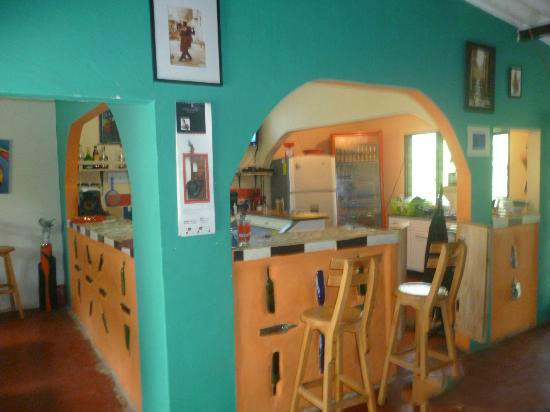
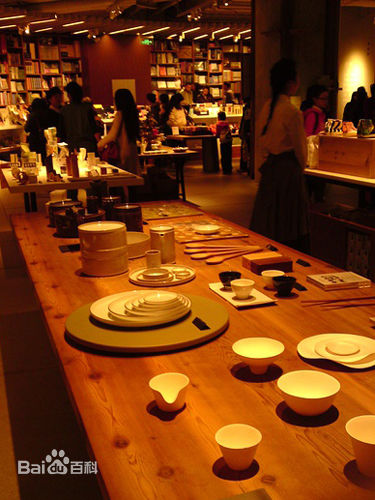
Your café’s interior sets the tone for the entire customer experience. Aim for a comfortable, unique atmosphere that aligns with your brand—whether that’s cozy and rustic, modern and minimal, or artsy and eclectic. Avoid copying other shops; your décor should reflect your concept. Pay attention to details: the style of furniture, curtains, and especially the servingware (cups, mugs, pitchers) all contribute to the vibe. Don’t overlook seating—customers love plush, inviting sofas where they can linger over their coffee.
5. Hiring & Managing Staff for a Small Coffee Business
Once your space is ready, it’s time to hire. Look for staff with a professional appearance and respectful demeanor—they represent your brand. While you won’t need a large team, managing employees is still a challenge, especially if you’re not always on-site. Build a culture of communication and trust. For larger or food-serving cafés, you may also need to hire chefs capable of preparing both Western and Chinese dishes. Treat your team well; their performance directly impacts customer satisfaction.
6. What Really Matters in Running a Coffee Shop
The success of your café hinges on two pillars: quality and service. First, the coffee itself must be excellent. Brewing a great cup isn’t just about following steps—it’s an art. Especially in a small, personalized shop, your coffee should reflect your skill and passion. Think of your shop as an art gallery and yourself as the curator. Second, never underestimate the power of customer relationships. Great service and consistent quality build loyalty. A coffee shop thrives when customers feel valued and want to return. Word-of-mouth is your best marketing tool.
Frequently Asked Questions
How much money do I really need to open a small coffee shop?
A practical approach is to divide your budget into two equal parts: about 50% for fixed costs such as rent, renovation, furniture, and equipment, and 50% as working capital for operational expenses. Many owners suggest that actual costs often exceed the initial budget, so it’s wise to have extra funds available. Start with a clear breakdown of every anticipated expense.
What’s the best location for a new coffee shop?
Look for areas with high foot traffic and easy access—near office buildings, large residential communities, or commercial zones. The space should allow for a pleasant, functional layout, and ideally, you can make a smaller area (like 70 square meters) feel larger with smart design. Long-term lease considerations are also important, so choose wisely and negotiate rent carefully.
How should I divide my coffee shop startup budget?
A common and effective strategy is to allocate roughly half of your total budget to visible, fixed expenses—such as interior design, furniture, and espresso machines—and reserve the other half as operating capital. This helps ensure you can cover expenses during the crucial early months when revenue may be slow to build.
Do I need a special team to run a small coffee shop?
You don’t need a large staff, but it’s important to hire friendly, presentable employees who represent your brand well. For shops that serve food, you might also need kitchen staff capable of preparing both Western and Chinese dishes. Good communication and management are key—even in a small team—and treating your employees well encourages better service.
What makes a coffee shop successful in the long run?
Long-term success depends on consistently high-quality coffee and excellent customer service. Serve brews that reflect skill and care—think of your café as a place of craft, not just commerce. Build real relationships with your customers. A welcoming atmosphere, reliable quality, and personalized attention turn first-time visitors into loyal regulars.
Recommended FrontStreet Coffee for Café Startups
For a new coffee shop, FrontStreet Coffee’s Classic Blend offers balanced, approachable flavours with notes of caramel and dark chocolate—ideal for everyday espresso drinks. Their Ethiopia Humbera single origin highlights bright citrus and floral tones, perfect for pour-over offerings. Both beans are freshly roasted and consistent, helping you build a strong coffee foundation. Freshly roasted within 5 days · Orders placed before 17:00 ship the same day · Next-day delivery across most of Guangdong Province.
FrontStreet Coffee is a long-established specialty coffee roaster in Guangzhou China, selling freshly roasted beans from its own farm in Yunnan as well as dozens of carefully selected single-origin beans from around the world for both pour-over and espresso. The products deliver consistently excellent quality and great value, with shipping within 24 hours. Guangzhou's FrontStreet Coffee shop is recommended by many coffee lovers, and the beans are now available online at the Tmall 。
Important Notice :
前街咖啡 FrontStreet Coffee has moved to new addredd:
FrontStreet Coffee Address: 315,Donghua East Road,GuangZhou
Tel:020 38364473