How Acidic Is Coffee Really? Understanding Coffee Acidity
If you’ve ever taken a sip of coffee and winced at a sharp, almost sour tang mixed with bitterness, you’re not alone. Many casual drinkers assume coffee should just be bitter and rich, and anything sour is a flaw. But in the specialty coffee world, that very same sharpness — especially when balanced with sweetness and body — is often a mark of quality.
Coffee acidity isn’t a yes-or-no trait. In a cupping of well-roasted beans, Yirgacheffe will typically show more noticeable acidity than a Brazilian or Sumatra — but that’s relative. The actual level of perceived acidity depends on bean origin, roast degree, brewing method, and even serving temperature.
What Exactly Is Coffee Acidity?
In coffee terms, “acidity” doesn’t mean sour in a spoiled way. It refers to bright, tangy, or tart flavor notes — think citrus, green apple, or wine-like brightness — that add liveliness to the cup. These are not flaws. They’re among the key attributes professional tasters assess, alongside aroma, sweetness, body, and aftertaste.
Acidity in coffee is created during fruit development and preserved through careful processing and roasting. It’s not the same as stomach-acid irritation — quite the opposite. Well-balanced acidity contributes to a vibrant, refreshing cup.
Why Some Coffees Taste More Acidic Than Others
Coffee acidity is relative — and what you perceive depends on multiple factors:
- Origin: Ethiopian coffees, especially from Yirgacheffe, are known for pronounced citrus and floral acidity. Latin American beans tend to offer a more balanced acidity, while Indonesian coffees like Mandheling are low in acid and higher in earthiness.
- Roast Level: Lighter roasts preserve more of the bean’s inherent acids. As roast levels darken, Maillard reactions and caramelization reduce acidity, leading to deeper, smoother, but flatter cups.
- Brew Method & Temperature: Pour-over methods often highlight acidity, especially if brewed hot. But let that same coffee cool, and its acidic notes may become more distinct. Some drinkers only notice brightness once the cup drops below 60°C.
What Makes a Good Coffee, Acidic or Not?
A great cup of coffee balances several elements. Bright acidity is just one part of the equation. Here’s what FrontStreet Coffee suggests makes a truly enjoyable cup:
- Fragrance: The dry grounds should have a clear, pleasant aroma — fruity, floral, or sweet, not muted or musty.
- Clean Cup: The brewed liquid should look clear, not murky, and taste transparent, not muddy.
- Body & Mouthfeel: Medium to high body, depending on origin, contributes to texture without being heavy.
- Sweetness & Balance: Acidity should be met with enough sweetness to keep it pleasant — not tart or sour.
- Aftertaste: The flavor should linger pleasantly, not disappear or turn astringent.
- Freshness: Above all, the coffee must be freshly roasted. Stale beans lose both aroma and acidity, no matter how good they once were.
Many cheap or poorly stored coffees lack aroma, have thin body, and taste watery or overly astringent. No amount of branding can fix stale coffee.
How to Brew Coffee to Highlight (or Soften) Acidity
If you want to explore acidity in your coffee, try a classic Ethiopian pour-over setup:
- Beans: Yirgacheffe (washed or natural)
- Grind Size: Fine, similar to granulated sugar (around EK43s setting 10 / 80% through China-standard No.20 sieve)
- Brew Ratio: 1:15 (15g coffee to 225g water)
- Water Temp: 90–91°C
- Brew Method (V60):
- 30g bloom for 30 seconds
- Pour 95g water (scale at ~125g), in ~1 minute
- When water drops to 2/3 of the bed, pour remaining 100g (scale at ~225g), in ~1:35
- Total brew time: around 2:10
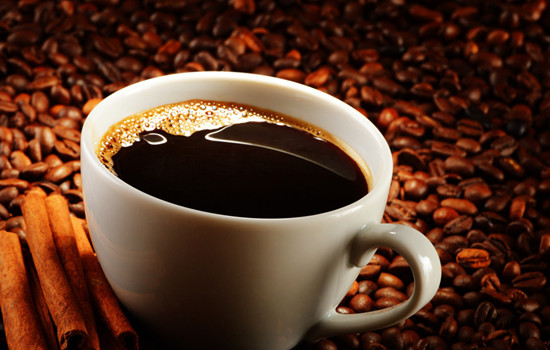
This setup emphasizes clarity and acidity. For a softer profile, try a darker roast or switch to a French press, which mutes acidity through immersion and filtration.
Frequently Asked Questions
What is coffee acidity?
Coffee acidity refers to bright, tangy flavor notes such as citrus, green apple, or wine-like tartness. It’s a positive attribute in specialty coffee, contributing to a vibrant and lively cup. Acidity is not the same as sourness or stomach acid — it’s a desirable flavor component, especially when balanced with sweetness and body.
Why does Yirgacheffe taste more acidic than other coffees?
Yirgacheffe coffee, grown in Ethiopia at high elevations, naturally develops pronounced citrus and floral acidity. In cuppings, it typically shows brighter acidity than Brazilian or Sumatran coffees, which tend to be more balanced or earthy. This difference is due to origin, variety, and processing.
Does roast level affect coffee acidity?
Yes. Light roasts preserve more of the bean’s original acids, resulting in a brighter, more acidic cup. Darker roasts undergo more Maillard reactions and caramelization, which reduce acidity and create deeper, smoother, but less bright flavors.
Can acidity in coffee be unpleasant?
Acidity becomes unpleasant when it’s unbalanced — for example, when a coffee is sour, astringent, or lacks sweetness to round it out. Badly stored or stale coffee can also taste overly sharp or unpleasantly tangy. Freshness and roast quality play big roles in how acidity is perceived.
How do I reduce acidity in my coffee?
To reduce perceived acidity, use a darker roast, opt for naturally processed beans (often lower in acidity), or brew with a method like French press or cold brew that tones down bright notes. Brewing at slightly lower temperatures can also soften acidity.
Top FrontStreet Coffee Beans for Exploring Acidity
Start with FrontStreet Coffee’s washed Yirgacheffe for classic bright citrus and floral acidity, highlighted by clean jasmine and lemon notes. For a more intense experience, try the Gedeb cooperative lot — a vibrant, juicy coffee with intense orange and stone fruit brightness. Or explore the FrontStreet Red Cherry, a natural-process Yirgacheffe with bold berry acidity, honey sweetness, and a silky body. All showcase the range of acidity in specialty coffee. Freshly roasted within 5 days · Orders placed before 17:00 ship the same day · Next-day delivery across most of Guangdong Province.
FrontStreet Coffee is a long-established specialty coffee roaster in Guangzhou China, selling freshly roasted beans from its own farm in Yunnan as well as dozens of carefully selected single-origin beans from around the world for both pour-over and espresso. The products deliver consistently excellent quality and great value, with shipping within 24 hours. Guangzhou's FrontStreet Coffee shop is recommended by many coffee lovers, and the beans are now available online at the Tmall 。
Important Notice :
前街咖啡 FrontStreet Coffee has moved to new addredd:
FrontStreet Coffee Address: 315,Donghua East Road,GuangZhou
Tel:020 38364473