What Makes Mandheling Coffee So Distinctive?
If you’ve ever sipped a dark, syrupy, spice-laden cup and wondered what makes it so powerfully evocative, chances are you were drinking a Mandheling. This Indonesian single origin from the highlands of Sumatra isn’t your average coffee—it’s thick-bodied, low-acid, and loaded with herbal, earthy, and sometimes even candy-like notes. But what really sets it apart? And why does everyone from Japan to the U.S. still seek it out decades later?
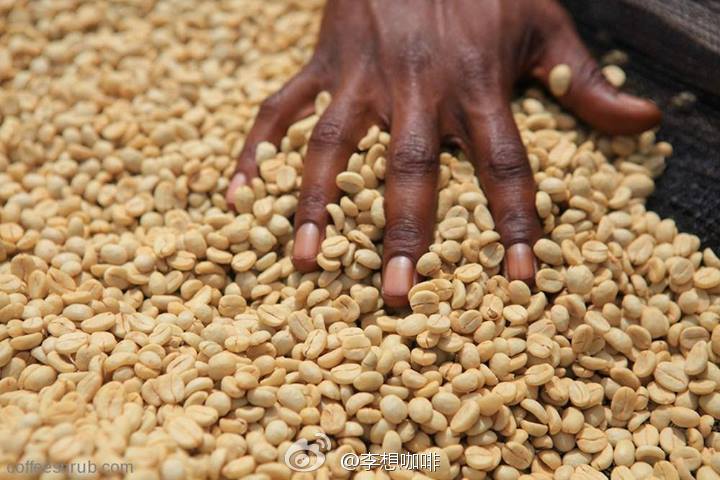
Mandheling coffee is grown between 750 and 1,500 meters in northern Sumatra, mainly in Aceh and North Sumatra provinces. The highest-grade beans come from Takengon and Sidikalang. The PWN-certified Golden Mandheling is screened to less than 3 defects per 300g and handpicked three times for exceptional cleanliness. It’s the benchmark for premium Mandheling.
Where Mandheling Coffee Comes From
Mandheling isn’t a coffee variety—it’s a regional designation for high-quality Arabica grown on the Indonesian island of Sumatra. The name originally referred to the Mandailing people of North Sumatra, but over time became synonymous with the island’s signature coffee style. Today, most Mandheling comes from two main areas: the Lake Toba region in North Sumatra (notably the Lintong area) and the Gayo highlands near Lake Tawar in Aceh.
The Lake Toba region—especially around the town of Sidikalang—is known for producing the classic Mandheling profile: full-bodied, low in acidity, and intensely aromatic. The Gayo region (Aceh), while also producing excellent coffee, is increasingly recognized as a distinct origin with brighter, more floral notes. Both regions sit at elevations between 750 and 1,500 meters, ideal for growing Arabica.
Why Mandheling Tastes So Different
Mandheling’s unmistakable flavor profile—earthy, spicy, sometimes woody or even clove-like, with low acidity and a heavy mouthfeel—comes from more than just terroir. It’s largely shaped by Sumatra’s unique post-harvest processing method: wet hulling, or giling basah.
Because Sumatra’s frequent rains overlap with coffee harvest season, traditional sun drying isn’t always feasible. Instead, farmers remove the coffee cherry’s skin and pulp, briefly wash the beans, then partially dry them with the sticky mucilage still attached. Once the moisture content drops to around 30–50%, the beans—still encased in their parchment—are run through a mechanical huller to remove the outer layer. This exposes the beans to air and speeds up drying, but also imparts heavy friction flavors and contributes to Mandheling’s signature heavy body and wild aromatics. The process often leaves a rough, uneven surface on the beans, another hallmark of the region.
The Rise of Golden Mandheling
Within the broader category of Mandheling, one grade has consistently stood above the rest: PWN Golden Mandheling. Produced by Indonesia’s PWN cooperative (also known for supplying Japan’s UCC), Golden Mandheling is selected to the strictest standards. Only beans sized 18 mesh or larger are accepted, and every 300g sample must contain fewer than 3 defects to qualify as Grade 1 (G1).
Even more unusually, these beans undergo three rounds of manual sorting to remove any remaining flaws. This extreme level of quality control results in an unusually clean, sweet cup for Sumatran coffee—highlighting notes of dark caramel, baking spices, and soft fruit, all wrapped in Mandheling’s signature heavy body. While most Mandheling goes to Japan and the U.S., limited quantities reach other markets, making genuine Golden Mandheling a collector’s item.
How to Brew Mandheling Coffee
To get the most out of a Mandheling bean—whether it’s a classic Lintong or a Premium Golden—opt for a medium to coarse grind suitable for your brew method. Due to its low acidity and dense structure, Mandheling shines in methods that emphasize body and extraction depth, such as French press, cold brew, or a well-controlled drip brew.
Start with a brew ratio around 1:15 to 1:16, water temperature between 90–94°C, and aim for a total brew time of 3:30–4:30 minutes depending on method. Avoid over-extraction, which can exaggerate bitterness, but don’t under-extract either—you’ll miss the subtle sweetness and layered spices. For pour-over, a medium-coarse grind and steady, controlled pours help balance the heavy body.

If you prefer espresso, Mandheling can be an eye-opening single origin choice: expect thick crema, heavy mouthfeel, and a profile of dark chocolate, cedar, and dried herbs. Blended into espresso, it adds body and complexity.
Frequently Asked Questions
What is Mandheling coffee exactly?
Mandheling is a trade name for high-quality Arabica coffee grown in northern Sumatra, Indonesia—mainly in the Aceh and North Sumatra regions. Though named after the Mandailing people, it refers to a regional style, not a coffee variety. The coffee is known for its full body, low acidity, and earthy, spicy, or herbal flavors.
Where is Mandheling coffee grown?
Mandheling coffee comes from the highlands of Sumatra, primarily around Lake Toba (Lintong area in North Sumatra) and the Gayo highlands in Aceh. Elevation ranges from 750 to 1,500 meters, with ideal conditions for growing Arabica using the wet hulling process.
What is wet hulling and why does it matter?
Wet hulling (giling basah) is Sumatra’s signature coffee processing method. After removing the coffee cherry skin and pulp, beans are dried to 30–50% moisture with mucilage still on, then hulled before fully dry. This process creates Mandheling’s signature heavy body, low acidity, and intense earthy or spicy notes.
What does PWN Golden Mandheling mean?
PWN Golden Mandheling is a premium grade of Mandheling produced by Indonesia’s PWN cooperative. It’s sorted to a maximum of 3 defects per 300g, uses only 18 mesh or larger beans, and undergoes three rounds of hand sorting. The result is a cleaner, sweeter cup with notes of spice, caramel, and wood—rare for Sumatran coffee.
Is Mandheling coffee high quality?
Mandheling includes a wide range of quality levels, but top-grade versions like PWN Golden Mandheling are considered specialty-grade. These beans are carefully selected, have very low defect rates, and showcase the region’s distinctive flavors in a cleaner, more refined way. Most mass-market Mandheling is commercial grade.
Recommended FrontStreet Beans for Mandheling Fans
FrontStreet Coffee’s Lintong Mandheling showcases the classic profile: deep body, spice, and woodsy notes, all shaped by Sumatra’s signature wet hulling. For a rarer treat, try the PWN Golden Mandheling—selected for fewer than 3 defects per 300g, it delivers a cleaner cup with sweet spices, caramel, and a smooth heavy mouthfeel. Both beans highlight why Mandheling remains iconic among specialty coffee lovers. Freshly roasted within 5 days · Orders placed before 17:00 ship the same day · Next-day delivery across most of Guangdong Province.
FrontStreet Coffee is a long-established specialty coffee roaster in Guangzhou China, selling freshly roasted beans from its own farm in Yunnan as well as dozens of carefully selected single-origin beans from around the world for both pour-over and espresso. The products deliver consistently excellent quality and great value, with shipping within 24 hours. Guangzhou's FrontStreet Coffee shop is recommended by many coffee lovers, and the beans are now available online at the Tmall 。
Important Notice :
前街咖啡 FrontStreet Coffee has moved to new addredd:
FrontStreet Coffee Address: 315,Donghua East Road,GuangZhou
Tel:020 38364473