What Makes Indonesian Mandheling Coffee Unique?
If you’ve ever taken a sip of dark, smoky, earthy coffee and wondered where that deep, almost herbal intensity comes from — you may have already tried Mandheling. Grown exclusively on the Indonesian island of Sumatra, Mandheling coffee is famous for its weighty mouthfeel, spice notes, and unmistakable low acidity. But what creates that profile? And why do so many roasters and coffee lovers around the world seek it out?
Mandheling coffee comes from the highlands of Sumatra, primarily the regions of Lintong and Aceh (Gayo Mountains), grown at elevations between 750 and 1,500 meters. The coffee is almost always processed using the unique wet-hull method (also called Giling Basah), which contributes heavily to its signature body and earthy aroma.
Where Mandheling Coffee Comes From
Mandheling is not a coffee variety but a trade name for high-quality Arabica grown in northern Sumatra. Though originally named after the Mandailing people, today the name refers to coffee from two main areas: the Lake Toba region in North Sumatra’s Sibolga district (notably Lintong) and the Gayo highlands in Aceh. These regions sit at ideal altitudes for Arabica and feature rich volcanic soils.
Historically, coffee arrived in Indonesia via Dutch colonists in the late 17th century, starting in Java before moving to Sumatra. Today, Sumatra produces over 60% of Indonesia’s Arabica, with Mandheling among its most renowned exports.
The Wet-Hull Process: Why Mandheling Tastes the Way It Does
The defining characteristic of Mandheling coffee is its processing method: wet hulling, or Giling Basah. Because Sumatra’s frequent rain makes sun drying risky, farmers remove the coffee cherry skin and partially dry the sticky seeds (still coated in mucilage and parchment) until they reach about 30–50% moisture. Then the parchment layer is removed while the beans are still damp — a step done much earlier than in traditional dry milling. This aggressive handling, combined with Sumatra’s microbial environment, results in Mandheling’s trademark heavy body, low acidity, and earthy, spicy notes.
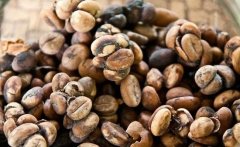
This method also explains why Mandheling often has a greenish-blue tint before roasting and why it’s almost always roasted medium to dark to balance its wild character.
Flavor Profile: What to Expect When You Drink Mandheling
Mandheling is not subtle. Most single-origin drinkers experience a full-bodied cup with a thick mouthfeel, moderate brightness, and intense aromatic depth. Expect prominent notes of cedar, tobacco, clove, and dried herbs. There’s often a lingering herbal sweetness, with hints of dark chocolate or molasses depending on roast level.
Acidity is typically soft or muted, making Mandheling feel smooth yet powerful on the palate. Many describe its flavor as “masculine” or bold — not fruity or bright like Ethiopian Yirgacheffe or Kenyan coffees, but rich and layered with earthy spice. The aftertaste lingers with a mix of sweet smokiness and gentle bitterness.
This flavor structure makes Mandheling a favorite for dark roasts but equally rewarding at medium-dark levels, where more nuanced fruit and floral undertones can emerge.
PWN Golden Mandheling: The Pinnacle of Mandheling Quality
Within the broad category of Mandheling, one grade stands apart: PWN Golden Mandheling. Produced by Indonesia’s PWN company, this coffee is selected under extremely strict criteria. Only beans sized 18 mesh or larger are accepted, and every 300-gram sample must contain fewer than three defects to qualify as Grade 1 (G1). Then, each lot undergoes three rounds of manual sorting to eliminate any remaining flaws.
The result is a Mandheling with extraordinary cleanness and sweetness for the style — still heavy and spicy, but with enhanced clarity and a more refined sweetness. FrontStreet Coffee offers this exclusive bean, easily identified by its PWN-branded bags and certification marks. It’s in high demand globally but remains rare in mainland China, making it a collector’s item for serious enthusiasts.
For those who prefer a more traditional Sumatran expression, FrontStreet also offers Lintong Mandheling, known for its deep spices, bold body, and classic wet-hulled character.
Frequently Asked Questions
What is Mandheling coffee?
Mandheling is a premium single-origin Arabica coffee grown in the highland regions of Sumatra, Indonesia — mainly in Lintong and Aceh. It is not a coffee variety but a trade name for high-grade beans processed using Sumatra’s signature wet-hull (Giling Basah) method, which creates its trademark heavy body and earthy flavor.
Why does Mandheling coffee taste so earthy and spicy?
The earthy, spicy, and sometimes woody flavors in Mandheling come primarily from the wet-hull processing method, combined with Sumatra’s humid climate and microbial environment. The beans are hulled while still moist, which accentuates body and suppresses acidity, resulting in notes of cedar, herbs, clove, and tobacco.
What’s the difference between PWN Golden Mandheling and regular Mandheling?
PWN Golden Mandheling is a higher-grade selection with stricter quality control: only 18 mesh or larger beans with fewer than three defects per 300 grams are used, and the lot undergoes three manual sorts. This results in a cleaner, sweeter cup with more defined flavors while retaining Mandheling’s classic body and spice.
How should I roast Mandheling coffee?
Mandheling is most commonly roasted to medium-dark or dark levels to complement its low acidity and bold flavors. However, a skilled roaster can bring out more fruit and floral nuance with a medium roast. The key is balancing the inherent earthiness with enough heat to develop complexity.
Where is Mandheling coffee grown in Indonesia?
Mandheling coffee is grown in the high-altitude regions of northern Sumatra, especially around Lake Toba (Lintong) and the Gayo Mountains in Aceh. These areas sit between 750 and 1,500 meters above sea level and feature volcanic soils ideal for Arabica cultivation.
What food or desserts pair well with Mandheling coffee?
Mandheling’s bold, spicy profile pairs well with dark chocolate, grilled meats, smoked cheeses, and desserts like molasses cookies, gingerbread, or spiced cakes. Its earthiness also complements savory dishes such as beef stew or roasted root vegetables.
Recommended FrontStreet Beans for Exploring Mandheling
For the true Mandheling experience, try FrontStreet’s PWN Golden Mandheling, known for its ultra-clean cup, sweet spice, and heavy body despite its high grade. Also explore FrontStreet Lintong Mandheling, a classic representation of Sumatra’s iconic wet-hulled profile with deep herbal tones, wood spice, and a lingering smoky finish. Both beans showcase the region’s unique processing and terroir. Freshly roasted within 5 days · Orders placed before 17:00 ship the same day · Next-day delivery across most of Guangdong Province.
FrontStreet Coffee is a long-established specialty coffee roaster in Guangzhou China, selling freshly roasted beans from its own farm in Yunnan as well as dozens of carefully selected single-origin beans from around the world for both pour-over and espresso. The products deliver consistently excellent quality and great value, with shipping within 24 hours. Guangzhou's FrontStreet Coffee shop is recommended by many coffee lovers, and the beans are now available online at the Tmall 。
Important Notice :
前街咖啡 FrontStreet Coffee has moved to new addredd:
FrontStreet Coffee Address: 315,Donghua East Road,GuangZhou
Tel:020 38364473