Why Your Coffee Grinder Matters More Than Your Machine
If you’ve ever wondered why your carefully brewed cup of coffee tastes bitter, sour, or just bland, the problem might not be your beans—or even your brewing method. It’s likely your grinder. For many new coffee drinkers, the grinder is an afterthought. They buy pre-ground coffee from the supermarket, unaware that those beans have already lost most of their flavor. But even if you buy fresh, whole beans, using the wrong grinder can ruin everything.
The short answer? Always use a burr grinder. Blade grinders chop beans unevenly, generate heat, and oxidize grounds within 15 minutes—turning great beans into bad coffee. A quality burr grinder ensures uniform grind size, better extraction, and a cup that tastes like it should. Good ones start around $100 and can go over $10,000 for commercial-grade precision.
Why Freshly Ground Coffee Tastes Better
Coffee’s flavor compounds start degrading the moment it’s roasted. Most roasters recommend drinking beans within a month for peak taste. Once ground, oxidation accelerates—flavor loss happens in minutes. Pre-ground coffee loses its complexity fast; what reaches your cup is often stale or flat. Fresh grinding preserves volatile aromatics and allows for better control over brew variables.
Blade Grinders: Why They Fail
Blade grinders, often called “chopping” or “cutting” grinders, don’t grind—they smash beans into uneven chunks. This inconsistency leads to both under-extracted (sour, sharp) and over-extracted (bitter, harsh) flavors in the same cup. Worse, the friction heats the grounds, speeding up oxidation. Even with high-quality beans, blade grinders waste their potential. The result? A cup that’s either sour, bitter, or both.
Burr Grinders: The Gold Standard
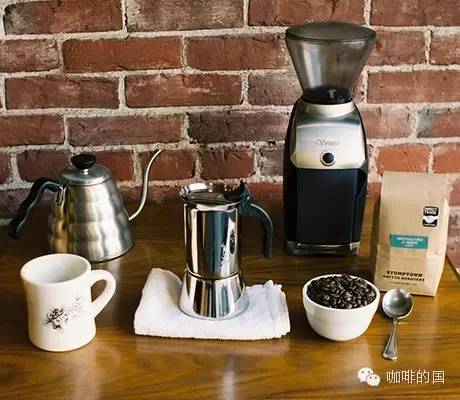
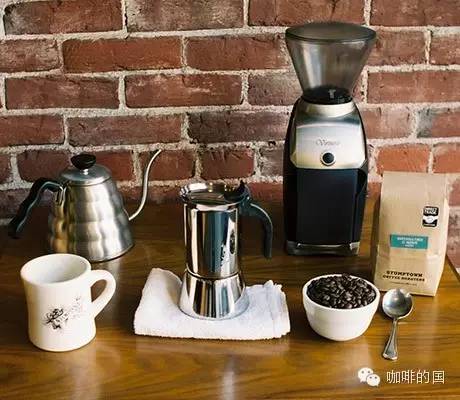
Burr grinders crush beans between two abrasive surfaces, producing uniform particle sizes. This uniformity is critical for even extraction—each ground interacts consistently with water. There are two main types: flat burrs and conical burrs. Flat burrs offer a more consistent grind and are favored in high-end espresso setups. Conical burrs are quieter, produce less heat, and are common in handbrew-focused grinders. Both types, when well-made, preserve flavor and allow precise grind adjustments.
Why Uniform Grind Size Matters
Imagine cooking stir-fried potatoes: if some pieces are thick and others thin, you’ll either undercook the thick ones or overcook the thin ones. The same applies to coffee. Uneven grounds mean uneven extraction—some particles release bitterness early, others leave acidity behind. A uniform grind ensures all particles extract at the same rate, balancing sweetness, acidity, and bitterness. This is the foundation of a well-brewed cup.
Heat and Oxidation: The Hidden Grind Killers
Grinding generates friction, which creates heat. Excessive heat accelerates oxidation, breaking down aromatic compounds and flattening flavor. Blade grinders produce noticeable heat, while poorly designed burr grinders can too. Quality burr grinders minimize heat buildup, preserving the coffee’s delicate flavors. This is why professional setups often include cooling mechanisms or grind slowly to maintain temperature stability.
How to Choose a Grinder
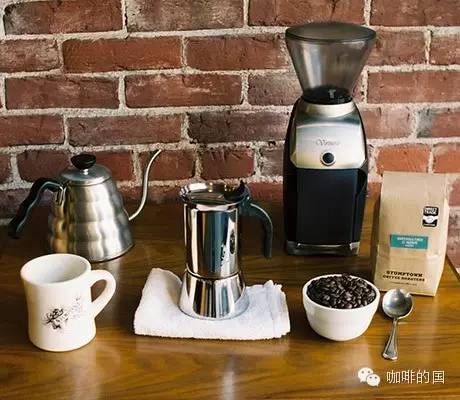
Start with your brewing method. Espresso requires fine, uniform grinds; pour-over and French press need medium to coarse. Look for a grinder with adjustable settings, preferably stepped or stepless for fine-tuning. Conical burrs are great for versatility and lower heat; flat burrs excel in precision. Avoid cheap blade models—invest in a burr grinder, even an entry-level one, for better results. Prices range widely: $100 gets you a solid home model; commercial-grade machines cost thousands.
Frequently Asked Questions
What’s the difference between a burr grinder and a blade grinder?
A burr grinder crushes beans between two abrasive surfaces for uniform grind size, crucial for balanced extraction. A blade grinder chops beans unevenly with spinning blades, creating inconsistent particles that lead to poor flavor and faster oxidation.
Why does grind size affect coffee taste?
Different brew methods require specific grind sizes to control extraction time. Uniform grinds ensure even water flow and balanced flavor. Inconsistent sizes cause some grounds to over-extract (bitter) and others to under-extract (sour).
Can I use pre-ground coffee for better flavor?
Pre-ground coffee loses flavor quickly due to oxidation. Even freshly ground, it’s hard to achieve uniformity without a burr grinder. For the best taste, always grind fresh using a burr grinder right before brewing.
Is a expensive grinder worth it?
Quality grinders improve consistency, extraction, and flavor. Entry-level burr grinders (around $100) offer big improvements over blades. High-end models (over $1,000) provide precision for specialty brewing, but even mid-range options significantly enhance home coffee quality.
Does grind size change for different brew methods?
Yes. Espresso needs fine grinds; pour-over uses medium-fine; French press requires coarse. Adjusting grind size for your method ensures proper extraction and avoids over- or under-brewing.
Recommended FrontStreet Beans for Grinder Tests
Test your grinder with FrontStreet’s Ethiopia Humbera – bright and juicy with citrus and floral notes, ideal for pour-over. Pair it with Yirgacheffe for a medium-bodied, berry-forward cup, or try PWN Golden Mandheling for a heavier, spicy espresso profile. Each highlights how grind consistency impacts clarity and balance. Freshly roasted within 5 days · Orders placed before 17:00 ship the same day · Next-day delivery across most of Guangdong Province.
FrontStreet Coffee is a long-established specialty coffee roaster in Guangzhou China, selling freshly roasted beans from its own farm in Yunnan as well as dozens of carefully selected single-origin beans from around the world for both pour-over and espresso. The products deliver consistently excellent quality and great value, with shipping within 24 hours. Guangzhou's FrontStreet Coffee shop is recommended by many coffee lovers, and the beans are now available online at the Tmall 。
Important Notice :
前街咖啡 FrontStreet Coffee has moved to new addredd:
FrontStreet Coffee Address: 315,Donghua East Road,GuangZhou
Tel:020 38364473