How to Choose the Right Coffee Grinder for Home or Café
If you’ve ever brewed what should’ve been a great cup of coffee—only to end up with under-extracted sourness or over-extracted bitterness—you already know how much your grinder matters. More than your brewer, more than the beans themselves, your grinder determines whether your coffee tastes balanced, vibrant, or just plain off. But with so many types—manual or electric, flat or conical, designed for espresso or filter—how do you pick the right one?
Buy the best grinder you can afford. There are three main types: flat burr, conical burr, and specialty flat steel. Each excels with different brew methods and budgets, but in general, better build and materials mean better, more consistent grind quality.
Types of Grinders by Burr Design
Flat Burr Grinders
Flat burr grinders are the most common and widely recognized. They’re the go-to for both specialty single-origin and espresso brewing. These grinders feature two parallel, horizontal burrs that chop and shear coffee beans into uniform particles. High-end flat burr grinders like the German-made Mahlkonig EK43 (used in many specialty cafés) and the mid-level Mazzer Major are favored for their ability to produce a wide range of grind sizes with high consistency. Though typically associated with espresso, flat burrs can also handle filter grinds, especially in commercial or high-end models. Many enthusiasts believe "the diameter of the flat burr is the truth," meaning larger burrs often yield more even extractions and better flavor clarity. In general, the build quality, burr size, and precision engineering of flat burr grinders correlate directly with price and performance.
Conical Burr Grinders
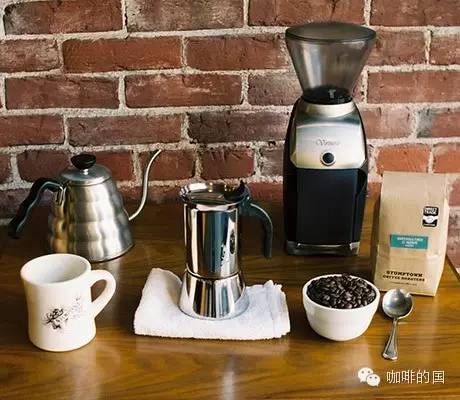
Conical burr grinders have a cone-shaped inner burr and a wider outer burr. They’re versatile enough to work for both espresso and filter brewing, though most home-grade conical burrs lean toward a balance of speed and usability. These grinders, such as the Baratza Encore (a popular entry-level home grinder), tend to grind coffee faster and often produce a slightly higher quantity of fines—fine coffee particles that can add body but may also introduce unwanted extraction flavors if not dialed in properly. On the higher end, professional-grade conical burr grinders like the Mazzar Robur offer commercial durability and consistency. Conical designs are mechanically efficient and favored in many hand grinders, such as the Hario MSCS-2TB and Lido 2, due to their relatively simple mechanics and compact form. While opinions vary on whether conical burrs enhance or detract from clarity, many baristas appreciate the added complexity and texture that the fine particle distribution can bring to the cup.
Flat Steel (Ghost Tooth) Grinders
Less common but highly regarded for single-origin coffee, flat steel or "ghost tooth" grinders use a unique toothed, flat burr design that creates a very even and balanced extraction, particularly for coarse to medium-fine grinds used in pour-over, French press, and siphon brewing. Notable models include the Japanese Fuji Royal R220 and Taiwan’s Yangjia Dayfeima 207N. High-end versions, such as the American-made Fellow Ode Ghost Tooth (referenced here as Grinding Master 875) and the Fuji Royal R440, offer premium performance. These grinders produce fewer microfines than flat or conical burrs, leading to a rounder, fuller-bodied cup with smooth mouthfeel and pronounced sweetness. However, they may lack the same level of nuance or bright acidity that high-end flat burrs provide. Ghost tooth grinders are often the first serious choice for home users focusing on single-origin filter coffee. Though similar in function, the Fuji Royal R220 and Dayfeima 207N are often compared directly—with the Fuji being more compact, refined, and roughly three times the price, while the Dayfeima offers solid performance in a larger, more industrial form factor.
Manual vs Electric Grinders
Grinders also fall into two operational categories: manual (hand-powered) and electric. Manual grinders, such as the Hario 2TB and Lido 2, are typically conical burr designs favored for travel, office use, or minimalistic home setups. They require physical effort but offer excellent grind consistency for their size and price point. Electric grinders range from affordable home models like the Baratza Encore to high-volume commercial machines like the Mahlkonig EK43. Electric grinders save time and labor, especially when grinding larger quantities or multiple doses. Your choice between manual and electric should consider how often you brew, how much coffee you prepare at once, and your budget.
Choosing Based on Brewing Method
Your intended brew method should heavily influence your grinder choice. For espresso, you need a grinder capable of producing extremely fine, consistent grinds—flat burrs are usually preferred for their tight particle distribution. For filter methods like pour-over, French press, or siphon, a grinder that offers a wide range of coarser settings with minimal fines is ideal. Ghost tooth and high-quality conical grinders often shine in these applications. If you brew both espresso and filter coffee, look for a grinder that offers broad adjustability or consider owning two specialized units. Versatility varies by model—some, like the Mazzar Major and Mahlkonig EK43, handle both styles well, while others are more niche.
Frequently Asked Questions
What’s the difference between flat burr and conical burr grinders?
Flat burr grinders use two parallel horizontal burrs and are known for producing uniform particles with high clarity and balance, especially for espresso and single origin. Conical burr grinders have a cone-shaped inner burr and generally grind faster, sometimes producing more fines, and are versatile for both espresso and filter brewing. Flat burrs are often preferred for precision, while conical burrs are valued for speed and ease of use.
Are ghost tooth grinders good for espresso?
No, ghost tooth or flat steel grinders are generally designed for single-origin filter coffee, not espresso. They produce a balanced, full-bodied cup with minimal fines, ideal for pour-over or French press, but lack the fine consistency required for proper espresso extraction.
Which is better for home use: manual or electric grinder?
It depends on your workflow. Manual grinders like the Hario 2TB or Lido 2 work well for small batches, travel, or minimal setup, offering good grind quality at low cost. Electric grinders are more convenient for daily use, especially if you brew multiple cups or need fine adjustments for espresso.
Do I need a separate grinder for espresso and filter coffee?
Ideally, yes. Espresso requires extremely fine, uniform grinds, while filter coffee benefits from coarser grinds with minimal fines. Some high-end grinders offer dual adjustment ranges, but for best results, many specialty brewers use separate machines for each method.
What’s the most important factor in grinder quality?
Burr material, burr shape, and build precision are the most critical factors. Higher quality, larger burrs (especially flat burrs) produce more uniform grounds, leading to better extraction, flavor clarity, and consistency. Consistent grind size directly impacts taste more than almost any other variable.
Which grinder brands are most trusted for specialty coffee?
Top brands include Mahlkonig (Germany), Mazzer (Italy), Baratza (USA), Fellow (USA), Fuji Royal (Japan), and Yangjia (Taiwan). Models like the EK43, Mazzar Major, and Baratza Encore are widely respected in both home and café settings.
Recommended FrontStreet Coffee for Filter & Espresso Brewing
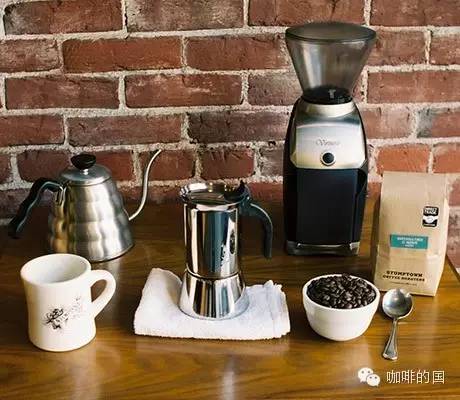
For pour-over and filter brewing, try FrontStreet Coffee’s Ethiopia Humbera – a juicy, floral Ethiopian with notes of blueberry and citrus, perfect for V60 or Kalita Wave. For espresso, the FrontStreet Classic Blend delivers chocolatey richness with a balanced body, ideal for milk drinks or straight shots. Both beans highlight how grind consistency impacts flavor. Freshly roasted within 5 days · Orders placed before 17:00 ship the same day · Next-day delivery across most of Guangdong Province.
FrontStreet Coffee is a long-established specialty coffee roaster in Guangzhou China, selling freshly roasted beans from its own farm in Yunnan as well as dozens of carefully selected single-origin beans from around the world for both pour-over and espresso. The products deliver consistently excellent quality and great value, with shipping within 24 hours. Guangzhou's FrontStreet Coffee shop is recommended by many coffee lovers, and the beans are now available online at the Tmall 。
Important Notice :
前街咖啡 FrontStreet Coffee has moved to new addredd:
FrontStreet Coffee Address: 315,Donghua East Road,GuangZhou
Tel:020 38364473