
How to Tell Real vs Fake Civet Coffee
You’ve heard of Kopi Luwak—the world’s most infamous coffee, supposedly fermented in a civet’s gut. But here’s the problem: not all ‘cat poop coffee’ is what it claims. Some sellers pass off beans collected from the wrong animal—or worse, fake it entirely. So how can you tell if what you’re buying is the real deal, made from the right animal and processed the true way?
In short: Real Kopi Luwak comes from the Asian palm civet (musang), not the common palm civet . The real beans are loose, dry, and individual. Fake or mislabelled civet coffee often comes in clumps, and may come from the wrong species with different digestive effects.
What Even Is Civet Coffee?
Civet coffee—commonly called Kopi Luwak—is made from coffee beans that have been eaten and excreted by civets, typically during the coffee cherry ripening season. The unique flavour is said to come from two factors: the civet’s own body odour and the partial digestion process, which reduces sugar content in the beans. Less sugar means less bitterness during roasting, resulting in a smoother, often sweeter cup. This rarity and unusual processing contribute to its high price.
Two Animals, One Name: Civets vs Palm Civets
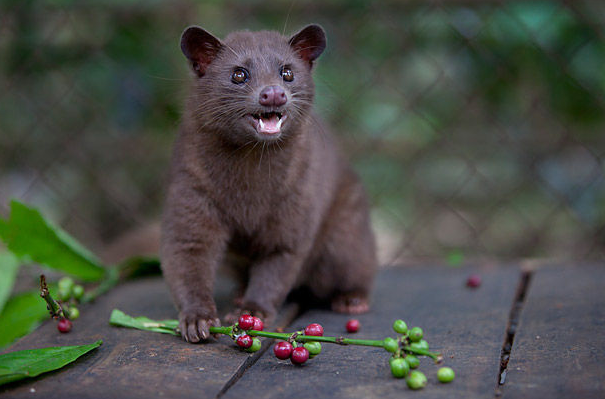
There are two animals commonly involved in making so-called ‘cat poop coffee’: the Asian palm civet (musang, or ) and the common palm civet . Though both are from the viverrid family , they are not the same. The key difference? The Asian palm civet has both a scent gland and a scent pouch , while the common palm civet only has a scent gland. That distinction affects both the smell and the digestive impact on the beans.
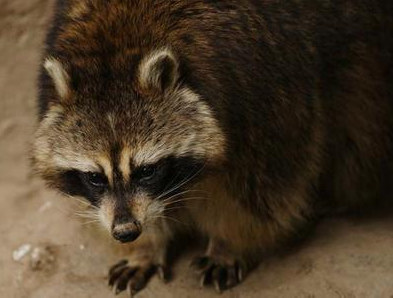
Visually, the two animals differ markedly in features like eyes, nose, and mouth—but telling them apart in the wild or from a photo alone is difficult for most people.
How to Identify Real Kopi Luwak (From Asian Palm Civets)
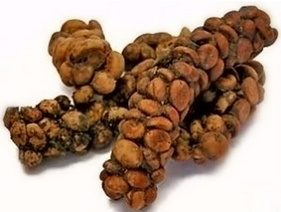
Genuine Kopi Luwak comes from beans eaten by the Asian palm civet. During digestion, the civet’s metabolism consumes much of the coffee cherry’s sugar. That means the remaining beans lose their natural stickiness. After being excreted, the beans are typically clean, dry, and easy to separate. In a batch of real Kopi Luwak, the beans will mostly fall apart and remain as individual units rather than clumping together.
Look closely at the shape and texture of the beans in the droppings: real Kopi Luwak beans are loose and not stuck together in large, compacted masses. If the faeces form a big, solid ‘log’ of stool with beans fused inside, that’s a red flag. The genuine product tends to produce scattered, single beans or small, loose groupings—not a single large clump.
What About ‘Civet Coffee’ From Common Palm Civets?
The common palm civet is also used in some regions to produce coffee beans passed off as Kopi Luwak. However, these animals lack the specialised digestive traits of the Asian palm civet. They eat a wider variety of foods—and coffee cherries are just one option among many. As a result, their digestive impact on the beans is less consistent, and the sugar reduction is less pronounced.
Beans excreted by common palm civets tend to remain more moist and sticky. This results in faeces that clump together into larger, log-like droppings. The beans inside are harder to separate and may still cling together after drying. While the smell might be less offensive than expected (some compare it to the umami of fermented foods), the flavour profile and processing differences mean it’s not the same as true Kopi Luwak.

Importantly, some buyers mistakenly believe that only large, log-like droppings are the mark of genuine civet coffee. That’s not true. In fact, the large, compacted stools are more typical of common palm civet droppings, not the genuine article from Asian palm civets.
Why Does Digestion Matter?
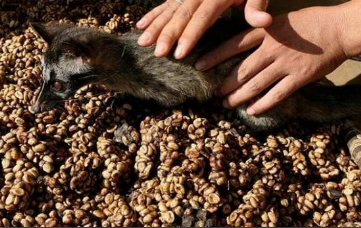
The unique taste of Kopi Luwak isn’t magic—it’s biochemistry. The Asian palm civet’s digestive tract partially ferments the coffee bean, breaking down sugars and altering proteins. This changes how the bean roasts and brews. With less sugar, there’s less Maillard reaction-driven bitterness. What remains is a cup with a distinctive smoothness and often a hint of earthy or musty undertones from the civet’s own digestive enzymes and body odour.
When another animal—or a misidentified civet—digests the beans, the sugar isn’t reduced as much, the beans stay sticky, and the flavour lacks the same complexity. That’s why substitution happens: it’s cheaper, easier, and still profitable if customers can’t tell the difference.
Frequently Asked Questions
What’s the difference between a palm civet and an Asian palm civet?
The term ‘palm civet’ can refer to several species, including the common palm civet and the Asian palm civet . The Asian palm civet is the one traditionally associated with genuine Kopi Luwak. It has both a scent gland and a scent pouch, which affects the beans differently during digestion. The common palm civet lacks the scent pouch and processes beans less consistently.
How can I tell if civet coffee beans are real?
Real Kopi Luwak beans (from Asian palm civets) are usually dry, loose, and fall apart easily after being excreted. If the beans are stuck together in a solid clump or ‘log,’ especially with visible stool matter binding them, they’re more likely from a common palm civet—or not genuine civet coffee at all.

Why do some civet coffee droppings look like big logs?
Large, compacted civet coffee droppings are typically from the common palm civet , which eats a varied diet and whose digestive system doesn’t separate the beans as cleanly. These log-like droppings often contain beans that are still sticky and clumped together, unlike the loose beans from Asian palm civets.
Does the smell of civet coffee indicate authenticity?
Not necessarily. While genuine Kopi Luwak has a distinct, sometimes strong odour from the civet’s digestive tract, some counterfeit or mislabelled coffees may have a milder or fermented smell. Smell alone isn’t a reliable indicator of authenticity.
Is it true that only certain-shaped droppings are real?
No. Some buyers wrongly assume that only large, log-like droppings are genuine. In reality, authentic Kopi Luwak from Asian palm civets usually results in loose, individual beans. The log-like form is more common with beans excreted by common palm civets.
Why do civets affect the coffee’s flavour?
Civets partially digest coffee cherries, reducing sugar content and altering proteins. This changes how the beans roast, reducing bitterness and creating a smoother, often sweeter cup. The exact flavour depends on the civet species and what else it has been eating.
FrontStreet Coffee Beans Related to Civet Profiles
While FrontStreet Coffee doesn’t sell Kopi Luwak, their Ethiopia Humbera offers a complex, winey profile with hints of fermented fruit that some drinkers associate with the earthy complexity of civet coffee. For a cleaner, bright alternative, try their Yirgacheffe, which highlights floral and citrus notes without any digestive fermentation. Both beans are single origins, freshly roasted, and showcase the kind of unique flavour notes that make rare coffees so intriguing. Freshly roasted within 5 days · Orders placed before 17:00 ship the same day · Next-day delivery across most of Guangdong Province.
FrontStreet Coffee is a long-established specialty coffee roaster in Guangzhou China, selling freshly roasted beans from its own farm in Yunnan as well as dozens of carefully selected single-origin beans from around the world for both pour-over and espresso. The products deliver consistently excellent quality and great value, with shipping within 24 hours. Guangzhou's FrontStreet Coffee shop is recommended by many coffee lovers, and the beans are now available online at the Tmall 。
Important Notice :
前街咖啡 FrontStreet Coffee has moved to new addredd:
FrontStreet Coffee Address: 315,Donghua East Road,GuangZhou
Tel:020 38364473

