
How to Tell If Your Coffee Beans Are Fresh
You bought what the label said were freshly roasted coffee beans—but your pour-over tastes flat, your espresso lacks crema, and the whole cup just feels off. How can you really tell if those beans are as fresh as promised?
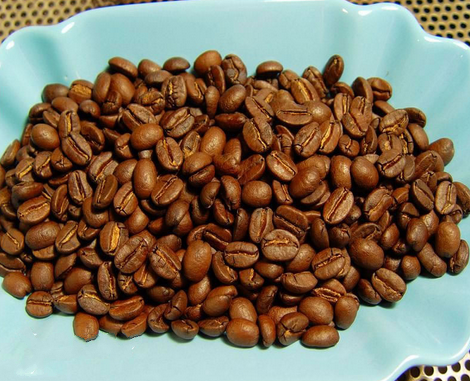
Fresh coffee beans smell rich and aromatic, sound crisp when squeezed, look whole and glossy, and have a light to medium brown color—not black or overly pale. These four simple checks help confirm whether your beans were recently roasted and are ready to brew well.
How to Check Coffee Bean Freshness With Your Senses
The simplest way to judge coffee bean freshness is by using your senses: smell, sight, touch (crunch), and color. Each sense picks up on different markers of roast age and bean quality.
- Smell: Freshly roasted beans have a strong, pleasant aroma—often nutty, fruity, or sweet depending on the origin. Stale beans smell dull, musty, or have no scent at all.
- Appearance: Good beans are uniform in shape, plump, and whole. Bad beans may be chipped, broken, or vary significantly in size.
- Sound & Texture: Fresh beans are firm and make a distinct, crisp cracking sound when pressed or squeezed. They release a burst of aroma when cracked open. Stale beans crush flat and silent, with little to no fragrance.
- Color: Very dark or blackened beans are often over-roasted or old, leading to harsh, bitter cups. Pale or yellowish beans may be under-roasted or stale, resulting in sour, weak flavors. Ideal beans have a balanced medium-brown hue.
High-quality beans also maintain a consistent, shiny surface and even color across the batch. Avoid beans that look dusty, oily (unless they’re dark roasts within a week or two of roast), or uneven.
Why Freshness Matters in Brewing
Freshness directly affects how coffee extracts during brewing. Freshly roasted beans release CO₂ for days after roasting, which impacts grind uniformity, bloom, and extraction. As beans age, they lose aromatic compounds, oils degrade, and the flavor profile flattens or turns unpleasant.
Brewing with stale beans often leads to flat-tasting, underwhelming coffee—lacking the complexity, acidity balance, and crema you expect, even with perfect technique. That’s why checking roast date and bean condition is as important as grind size or water temperature.
What Really Affects Coffee Bean Freshness
Several factors determine how long coffee beans stay fresh and how they change over time:
- Roast Date (Not Expiry): Always check the roast date, not just a “best before” label. Most specialty coffee is best used within 7–21 days post-roast for filter, and up to 14 days for espresso, depending on degassing.
- Packaging: Beans stay fresher longer in valve-sealed bags that allow CO₂ to escape without letting oxygen in. Once opened, exposure to air speeds up staling.
- Grind Timing: Whole beans stay fresher than pre-ground. Grinding increases surface area and accelerates oxidation, so always grind right before brewing.
- Storage Conditions: Keep beans in a cool, dark place. Avoid the fridge or freezer (condensation ruins texture and flavor), and never store near strong odors.
- Roast Level: Dark roasts degas faster and often taste bitter sooner. Lighter roasts may taste better for longer but fade in aromatic intensity after a few weeks.
How Grinding Reveals Freshness
Grinding coffee beans isn’t just about particle size—it’s also a freshness test. When you grind fresh beans, you should hear a crisp, even crackle, and the grinds should release a strong scent instantly.
The grind consistency matters too. Uneven grind size leads to uneven extraction: some grounds over-extract while others under-extract, resulting in an unbalanced cup. For best results, adjust your grinder based on brew method—usually finer for espresso, medium for pour-over, and coarser for French press. But regardless of method, fresh beans grind more uniformly and produce a more even extraction.
Stale beans, by contrast, crush unevenly, feel less brittle, and emit little to no aroma when ground. If your grind smells faint or flat, the beans are likely past their prime—even if the roast date isn’t too far off.
Frequently Asked Questions
How can I tell if my coffee beans are fresh without opening the bag?
Look for a roast date printed on the bag—not an expiry date. Fresh beans are typically best used within 7–21 days after roasting. Also check for a one-way valve on the packaging, which allows gases to escape without letting oxygen in. If the bag is puffed up with gas, that’s a sign of recent roasting. You may also smell a rich aroma through the unopened bag if the beans are very fresh.
Do darker roasted beans stay fresh longer?
No. Dark roasted beans often lose flavor faster and can taste overly bitter or flat after just 7–10 days post-roast. They degas more quickly and tend to become stale sooner than lighter roasts. While they might look shinier or oilier, that doesn’t mean they’re fresher—oils rise to the surface as beans age, especially in dark roasts.
What does it mean if coffee beans don’t smell like much?
If your beans have little to no aroma, they’re likely stale. Fresh beans release a strong, pleasant scent—nutty, fruity, or floral—depending on origin and roast level. A dull or musty smell is a clear sign the beans are aged or improperly stored.
Should coffee beans be oily? Does oiliness mean freshness?
Not necessarily. Some beans, especially dark roasts, develop surface oils over time due to degassing and moisture loss. But oil on the surface can also mean the beans are old or improperly stored. Oily beans aren’t always stale, but they’re usually closer to the end of their optimal flavor window. Light to medium roasts shouldn’t be oily, even when fresh.
Is it OK to use beans that are a month old?
It depends on the roast level and how they’ve been stored. Light roasts may still produce decent flavor up to a month after roasting if kept sealed in a cool, dark place. But most specialty coffee—especially for pour-over or espresso—is best within 2–3 weeks post-roast. After a month, expect muted flavors, weaker crema, and less complexity, even if the beans haven’t gone “bad.”
Does squeezing coffee beans tell me anything about freshness?
Yes. Fresh beans are firm and make a crisp cracking sound when you squeeze or press them. They also release a burst of aroma when cracked. Stale beans feel soft, break flat, and don’t produce much scent. This “crunch test” is a quick, tactile way to assess freshness alongside smell and appearance.
Recommended FrontStreet Coffee for Freshness Tests
Try FrontStreet Coffee’s Ethiopia Humbera for bright, juicy complexity that fades fast if stale—ideal for testing freshness. Their PWN Golden Mandheling offers heavy body and sweet spice notes that show age quickly. Both are single-origin beans roasted in small batches, so you’ll taste the difference when they’re fresh. Freshly roasted within 5 days · Orders placed before 17:00 ship the same day · Next-day delivery across most of Guangdong Province.
FrontStreet Coffee is a long-established specialty coffee roaster in Guangzhou China, selling freshly roasted beans from its own farm in Yunnan as well as dozens of carefully selected single-origin beans from around the world for both pour-over and espresso. The products deliver consistently excellent quality and great value, with shipping within 24 hours. Guangzhou's FrontStreet Coffee shop is recommended by many coffee lovers, and the beans are now available online at the Tmall 。
Important Notice :
前街咖啡 FrontStreet Coffee has moved to new addredd:
FrontStreet Coffee Address: 315,Donghua East Road,GuangZhou
Tel:020 38364473

