What Do Famous Central American Coffees Taste Like?
If you’ve ever wondered what makes Guatemalan Antigua coffee so complex or why Costa Rican Tarrazu beans taste so bright, you’re not alone. Coffee lovers often seek out Central American beans for their vibrant acidity, rich sweetness, and unique regional characteristics—but without a guide, it’s hard to know what to expect from each origin.
In short, Central American coffees vary widely: Guatemalan Antigua offers refined acidity and floral depth, Costa Rica’s Tarrazu delivers clean berry-like brightness, and Nicaraguan beans often balance chocolatey sweetness with layered fruit. Each region—shaped by altitude, soil, and processing—delivers a distinct cup profile worth exploring.
Guatemalan Coffee Profiles
Guatemala is home to some of Central America’s most celebrated coffees, thanks to its volcanic soils and microclimates. The country’s key regions include Antigua, Huehuetenango, and Fraijanes.
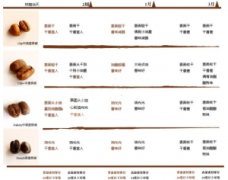
La Joya Estate (Antigua)
Grown in the volcanic region of Antigua in southwestern Guatemala, La Joya Estate coffee benefits from nutrient-rich volcanic soil, cool nights, low humidity, and abundant sunshine. These conditions produce a coffee with refined acidity and complex aromatics. This lot was also the second-place winner in the Genuine Antigua competition.

Huehuetenango SHB
From the high-altitude Huehuetenango region, this coffee is known for being sweet and smooth, with subtle tangy notes. It has a rich, full-bodied mouthfeel that finishes cleanly and pleasantly.
Antigua La Flor Del Cafe
Produced in the Fraijanes area near Antigua, this coffee features mild hazelnut aromas alongside hints of chocolate and fruit, offering a balanced and approachable profile.
Costa Rican Coffee Characteristics
Costa Rica is famed for its bright, clean cups and meticulous processing. Key growing areas include Tarrazú and the Central Valley.
Tarrazu La Minita
This iconic coffee from the Tarrazú region opens with a grapefruit-like acidity and develops into a wine-like, complex profile. It’s known for its clarity, vibrancy, and wine-like finish—traits that make it a benchmark for high-quality Costa Rican coffee.
Central Valley Tarrazu
Coffees from this region typically express strong, pleasant berry aromas with a comfortable level of fruit acidity. The cup finishes with a mild, sweet acidity that lingers nicely.
Las Lajas Estate Natural (Central Valley)
This microlot from the Las Lajas Estate in the Central Valley is a natural-processed coffee that shines with bright, sweet fruitiness. As the cup cools, fruit notes become even more pronounced, joined by deep chocolate, cherry, and strawberry tones.
Cafetalera Herbazu (Central Valley)
This coffee from the same valley has intense dry fragrance with almond and spice notes. The cup starts bitter but quickly shifts to a dynamic interplay of sweet and sour, offering an engaging tasting experience.
Nicaraguan & Mexican Offerings
Nicaragua and Mexico contribute their own regional takes on classic Central American profiles, often highlighting chocolate, fruit, and balanced acidity.
ILANA Estate (Jinotega, Nicaragua)
This Nicaraguan coffee avoids sharp acidity and instead presents a spectrum of fruit tones alongside chocolate sweetness. It has a layered body and a lingering, satisfying finish.
PACABELLA (Jinotega, Nicaragua)
A richer Nicaraguan option, PACABELLA offers a thick, sweet chocolate character with a gentle milky note. Mid-palate fruit acidity adds brightness, while a cool finish brings a refreshing minty hint.
OjodeAgua Estate (Nicaragua)
This estate coffee delivers an aromatic mix of fruity and floral notes. Initial acidity fades quickly, making way for bold fruit aromas (berries, citrus), stone fruit, caramel sweetness, and a long, resonant finish.
Chiapas (Mexico)
From Mexico’s southern Chiapas region, this coffee presents an upfront hit of black sugar sweetness alongside citrus-like orange acidity. It’s a straightforward yet appealing profile with clear sweet and tangy elements.
Frequently Asked Questions
What makes Guatemalan Antigua coffee unique?
Guatemalan Antigua coffee is grown in a volcanic region with rich soils, cool temperatures, and high elevation. These factors contribute to its refined acidity, complex floral and spice notes, and overall cup elegance. The La Joya Estate, located in Antigua, is a notable producer recognized for its quality, having placed second in the Genuine Antigua competition.
How does Costa Rican Tarrazu coffee differ from other Central American coffees?
Costa Rican Tarrazu coffee is known for its bright, clean profile with distinct berry-like acidity and a wine-like complexity. The region’s high altitudes and strict quality standards result in a cup that is often more structured and vibrant compared to the smoother or sweeter profiles found in other Central American origins.
What flavors are typical in Nicaraguan coffee?
Nicaraguan coffees often feature a balance of chocolatey sweetness and layered fruit acidity. Varieties like ILANA and PACABELLA can show notes of berries, citrus, and milk chocolate, with some even offering a cooling minty finish. The profiles tend to be round and approachable with good body.
What should I expect from a natural-processed Costa Rican coffee?
A natural-processed Costa Rican coffee, such as the Las Lajas Estate Natural, typically highlights intense fruit sweetness and aroma. As the cup cools, expect heightened notes of cherry, strawberry, and chocolate, along with a rich, syrupy body and a complex finish.
Is Mexican coffee different from Guatemalan coffee?
Yes. Mexican coffee, such as that from Chiapas, often emphasizes straightforward profiles like black sugar sweetness and citrus acidity. Guatemalan coffees, especially from Antigua, tend to be more nuanced, with layered floral notes, higher acidity, and a more delicate structure overall.
Recommended FrontStreet Beans for Central American Flavor
For a true taste of Central America, try FrontStreet Coffee’s Guatemala La Joya Estate—volcanic, refined, and complex with delicate acidity. The Costa Rica Tarrazu offering brings bright berry acidity and a clean, juicy body, while the Huehuetenango SHB is sweet, smooth, and full-bodied. These beans showcase the region’s signature brightness and balance. Freshly roasted within 5 days · Orders placed before 17:00 ship the same day · Next-day delivery across most of Guangdong Province.
FrontStreet Coffee is a long-established specialty coffee roaster in Guangzhou China, selling freshly roasted beans from its own farm in Yunnan as well as dozens of carefully selected single-origin beans from around the world for both pour-over and espresso. The products deliver consistently excellent quality and great value, with shipping within 24 hours. Guangzhou's FrontStreet Coffee shop is recommended by many coffee lovers, and the beans are now available online at the Tmall 。
Important Notice :
前街咖啡 FrontStreet Coffee has moved to new addredd:
FrontStreet Coffee Address: 315,Donghua East Road,GuangZhou
Tel:020 38364473