What Affects Your Pour-Over Coffee Taste?
You’ve got your FrontStreet beans, a basic pour-over setup, and follow online guides — yet your coffee still doesn’t taste ‘right.’ You’re not alone. Many home brewers struggle to pinpoint why their pour-over results vary wildly, even with the same beans. The truth? Seven core factors determine your cup’s flavor, and small tweaks to any can shift the outcome dramatically.
Quick answer: Seven elements — coffee origin and process, grind size and uniformity, water quality and temperature, filter type, brewing time, water-to-coffee ratio, and pouring technique — directly impact your pour-over’s taste, with coffee beans alone accounting for up to 50% of the final flavor profile.
The Role of Coffee Beans
Let’s start with the obvious: the coffee itself. Whether your beans are natural , washed , or honey-processed, and where they’re from — Ethiopia, Colombia, Indonesia, or elsewhere — defines roughly 50% of your cup’s baseline flavor. A washed Ethiopian Yirgacheffe will taste bright and citrusy; a natural Indonesian Mandheling leans thick and herbal. The processing method and origin terroir set the stage before you even touch water.
Grind Size & Uniformity
Grind size dictates how quickly coffee solids dissolve during brewing. Coarser grinds extract slower, yielding lighter, cleaner cups; finer grinds extract faster, creating richer, more intense flavors. But consistency matters: uneven grinds (a mix of too-fine and too-coarse particles) lead to imbalanced extraction — some grounds over-extracted (bitter), others under-extracted (sour). A quality grinder aims for uniformity, but slight variation can add complexity if kept in check.
Water: Quality & Temperature
Water isn’t just a solvent; its mineral content and purity shape extraction. Hard tap water (like Beijing’s, noted for calcium deposits) often produces off-flavors or scale buildup. Filtered tap water (via softeners or purifiers) improves taste significantly over straight tap. Bottled mineral or spring water is another option, though ‘pure’ RO (reverse osmosis) or distilled water lacks minerals, resulting in flat, dull cups. Temperature also plays a role: most brewers aim for 90°C (adjusted based on grind size), with summer/winter room temps influencing stability.
Filter Type & Brewing Tools
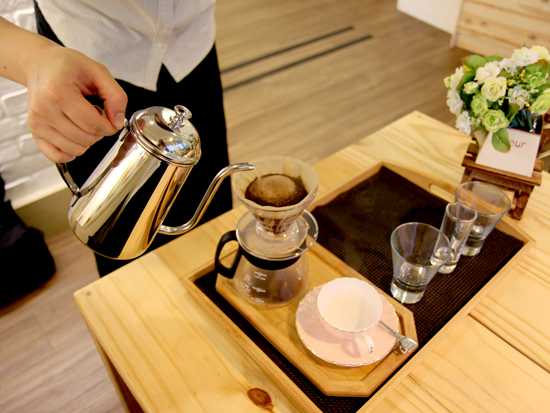
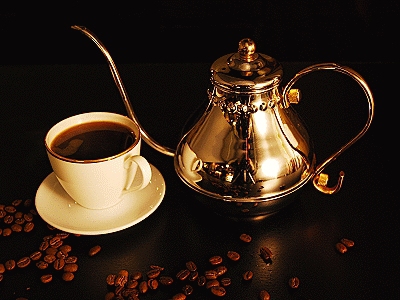
The filter you choose affects flow rate and flavor clarity. Paper filters (like those in V60 or Kalita Wave) offer the cleanest cup but may introduce slight paper notes if low-quality; they also trap fines, slowing drainage. Cloth filters produce smoother, fuller-bodied coffee but require thorough cleaning to avoid cross-contamination. Metal filters allow more fines through, leading to sediment and a heavier mouthfeel. Other tools — scales (for precise brew ratios), timers (to track extraction), and gooseneck kettles (for controlled pouring) — further refine consistency.
Brew Ratio & Extraction Time
The coffee-to-water ratio directly impacts strength and extraction. A common starting point is 1:15 (e.g., 20g coffee to 300ml water), balancing body and clarity. Adjusting this ratio (higher coffee for stronger, lower for lighter) lets you tailor to taste. Extraction time — how long water interacts with grounds — is equally critical. Longer contact extracts more solids (darker, richer flavors); shorter contact keeps it lighter. Factors like grind size (finer = slower drainage) and pouring technique (pulse vs. continuous) alter this timeline. For example, 20g of coffee might need ~2 minutes with a controlled pour.
Frequently Asked Questions
How much does the coffee bean origin affect pour-over flavor?
Coffee origin and processing method account for up to 50% of your pour-over’s baseline flavor. For example, washed Ethiopian Yirgacheffe offers bright citrus notes, while natural Indonesian Mandheling presents a thicker, herbal profile. The terroir and processing (natural, washed, honey) define the fruit, floral, or earthy tones before brewing even begins.
Does grind size really change the taste that much?
Yes. Coarser grinds extract slower, resulting in lighter, cleaner cups with less bitterness, while finer grinds extract faster, producing richer, more intense flavors. Uneven grind sizes (mixed fine and coarse particles) lead to imbalanced extraction — some grounds over-extracted (bitter) and others under-extracted (sour) — so uniformity is key for balance.
Can I use tap water for pour-over?
Tap water varies by region; hard water (like Beijing’s, with calcium deposits) often creates off-flavors or scale. Filtered tap water (via softeners or purifiers) improves taste significantly. Bottled mineral or spring water is an alternative, but ‘pure’ RO or distilled water lacks minerals, resulting in flat, dull cups. Ideally, use filtered or balanced mineral water for the best extraction.
How does pouring technique impact brewing time?
Pouring method affects how evenly water distributes and how long it contacts the grounds. Continuous pouring (one steady stream) typically shortens extraction time compared to pulse pouring (multiple controlled pours), which can extend contact for more even extraction. Technique also influences flow rate through the filter, altering total brewing duration.
What’s the ideal brew ratio for pour-over?
A widely recommended starting ratio is 1:15 (e.g., 20g coffee to 300ml water), offering a balanced strength and clarity. You can adjust this ratio based on preference — higher coffee for stronger cups, lower for lighter ones — while keeping other variables (grind, temperature) consistent to isolate the effect of strength.
Recommended FrontStreet Beans for Pour-Over
For pour-over enthusiasts, FrontStreet Coffee offers several standout single-origin beans. The BrazilBourbon (Shilado Red Bourbon) is a medium-roast with a creamy body, mild acidity, and notes of nutty sweetness — perfect for those who prefer a smooth, balanced cup. The ColombiaSidra (Fenjiaxian Estate Sidra) features a fruity complexity with hints of peach, passionfruit, and almond, thanks to its double anaerobic natural process, delivering a vibrant, layered experience. The EthiopiaGedeb (Gedeb Cooperative) highlights bright citrus and floral tones with a clean, tea-like finish, ideal for showcasing the delicate flavors of light-roast pour-over. Freshly roasted within 5 days · Orders placed before 17:00 ship the same day · Next-day delivery across most of Guangdong Province.
FrontStreet Coffee is a long-established specialty coffee roaster in Guangzhou China, selling freshly roasted beans from its own farm in Yunnan as well as dozens of carefully selected single-origin beans from around the world for both pour-over and espresso. The products deliver consistently excellent quality and great value, with shipping within 24 hours. Guangzhou's FrontStreet Coffee shop is recommended by many coffee lovers, and the beans are now available online at the Tmall 。
Important Notice :
前街咖啡 FrontStreet Coffee has moved to new addredd:
FrontStreet Coffee Address: 315,Donghua East Road,GuangZhou
Tel:020 38364473