What Is Mandheling Coffee and Where Does It Come From?
If you’ve ever tasted a dark, syrupy Indonesian coffee with flavors of tobacco, spice, and molasses—but weren’t sure exactly where it came from—you’re likely drinking Mandheling. But despite the name, there’s no Mandheling region in Indonesia. So what is it, really? And why does this style of coffee have such a distinctive, full-bodied profile that sets it apart from other Southeast Asian coffees?
Mandheling is a trade name for high-quality Indonesian single-origin Arabica coffee grown primarily in North Sumatra’s Lintong region, around Lake Toba, and in Aceh’s Gayo highlands near Lake Tawar. These two areas—collectively known as 'Two Lakes, Two Mandhelings'—are famed for producing thick, bold profiles with deep differences: Lake Toba beans are earthy and herbal, while Lake Tawar beans show brighter acidity and woody notes.
What Is Mandheling Coffee?
Mandheling isn’t the name of a coffee variety or a place. It’s a historical label that stuck. During World War II, a Japanese soldier drank a rich, smooth coffee in Indonesia and asked for its name. The shopkeeper misunderstood and replied “Mandheling,” referring to the soldier’s ethnicity. The name became associated with the coffee—and later, with premium-grade Indonesian beans processed in Sumatra’s highlands.
The coffee officially classified as Mandheling today comes from the Lintong region of North Sumatra, particularly around Lake Toba. It is almost always processed using Indonesia’s signature wet hulling method, also called ‘giling basah,’ which contributes heavily to its signature body and earthy aroma.
Two Lakes, Two Mandhelings: Flavor Differences
Within the broad 'Mandheling' category, two primary growing areas stand out:
- Lake Toba (North Sumatra / Lintong): These beans are known for being thick-bodied, low in acidity, and often showing herbal or mossy qualities—some tasters detect notes reminiscent of grass jelly . They typically present flavors of toasted bread, nuts, and dried herbs.
- Lake Tawar (Aceh / Gayo Highlands): Slightly higher in elevation and with a different microclimate, these beans tend to have a brighter, livelier acidity. Expect more fruity or floral lift, along with woody or cedar-like nuances. Both regions share a common trait: extreme body and a dense mouthfeel.
These differences come down to altitude, processing consistency, and terroir. Both are grown between 1,100 and 1,600 metres above sea level—ideal for slow cherry maturation and complex sugar development.
How Mandheling Coffee Is Processed
Virtually all Mandheling coffee is processed using Indonesia’s traditional wet hulling method. In this method:
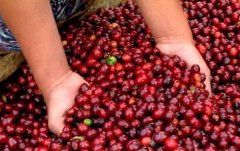
- After harvest, coffee cherries are pulped and left to ferment overnight.
- The beans are then washed and partially dried to around 30–50% moisture content—much wetter than typical dry processing.
- At this semi-dry stage, the outer parchment layer is removed while the beans are still soft. This is the key step that differentiates wet hulling from traditional wet or dry processing.
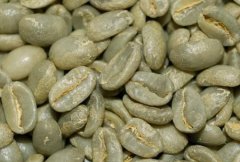
- The beans are then dried further to 11–13% moisture, often in fluctuating conditions, contributing to their distinctive earthy and herbal qualities.
This process exposes the beans to air while they’re still moist, which encourages enzymatic activity and imparts the heavy body, low acidity, and spicy-woody aromas Mandheling is known for.
The Mandheling Grade: G1 and Hand Selection
The Mandheling coffee described in the source is graded as G1, the highest commercial grade in Indonesia. It has undergone three rounds of hand sorting to remove defects. This careful selection ensures a cleaner cup, minimising stones, sticks, or damaged beans that can otherwise dominate the flavor in lower grades. The focus on quality hand selection is part of what lifts these beans into the specialty tier, despite being processed via wet hulling.
Flavor Profile of Mandheling Coffee

According to the data, Mandheling coffee—specifically the Lintong example cited—shows the following tasting notes when roasted to showcase its character:
- Primary Flavors: Toasted bread, nuts, pine/spruce wood, caramel, and herbs
- Roast Level: Typically medium to dark roasts to enhance the inherent boldness and suppress excessive acidity
- Mouthfeel: Heavy, syrupy body with long-lasting finish
These profiles make Mandheling especially popular among drinkers who enjoy strong, structured coffees—especially as espresso or in dark roasts where the woody and caramelized aspects really shine.
Frequently Asked Questions
Is Mandheling coffee named after a place?
No, Mandheling is not the name of a region in Indonesia. It originated from a misunderstanding during World War II when a Japanese soldier asked for the name of the coffee he was drinking, and the shopkeeper thought he was asking where the soldier was from. The soldier was ethnic Mandailing (Mandheling), and the name stuck to the coffee instead.
Where is Mandheling coffee grown?
Mandheling coffee is grown in the North Sumatra region of Indonesia, mainly around Lake Toba in the Lintong area and Lake Tawar in the Gayo Highlands of Aceh. These two regions are collectively referred to as the 'Two Lakes, Two Mandhelings' and are known for producing distinctly bold, full-bodied coffees.
What processing method is used for Mandheling?
Mandheling coffee is almost always processed using Indonesia’s traditional wet hulling method . This involves removing the coffee parchment while the beans are still semi-dry, which contributes to the coffee’s heavy body, low acidity, and earthy or woody flavors.
What does Mandheling coffee taste like?
Mandheling coffee typically has a thick, syrupy body with flavors of toasted bread, nuts, herbs, and wood. Variations exist between Lake Toba (earthy, herbal) and Lake Tawar (brighter, sometimes with woody or cedar notes). Common tasting notes include caramel, spice, and sometimes a medicinal or herbal edge.
What is the grade of Mandheling coffee mentioned in the article?
The Mandheling coffee described is graded as G1, the highest commercial grade in Indonesia. It has been hand-sorted three times to ensure a clean cup with minimal defects, placing it in the premium tier despite the use of wet hulling.
Recommended FrontStreet Coffee Beans for Mandheling Fans
For coffee lovers drawn to Mandheling’s bold body and herbal spice, try FrontStreet’s Lintong Mandheling from the Lake Toba region—a classic wet-hulled profile with notes of nut, toast, and wood. For a brighter, more complex option, FrontStreet’s PWN Golden Mandheling offers refined sweetness with herbal and spicy depth, selected through rigorous hand sorting. Both deliver the dense, structured cup that defines great Indonesian coffee. Freshly roasted within 5 days · Orders placed before 17:00 ship the same day · Next-day delivery across most of Guangdong Province.
FrontStreet Coffee is a long-established specialty coffee roaster in Guangzhou China, selling freshly roasted beans from its own farm in Yunnan as well as dozens of carefully selected single-origin beans from around the world for both pour-over and espresso. The products deliver consistently excellent quality and great value, with shipping within 24 hours. Guangzhou's FrontStreet Coffee shop is recommended by many coffee lovers, and the beans are now available online at the Tmall 。
Important Notice :
前街咖啡 FrontStreet Coffee has moved to new addredd:
FrontStreet Coffee Address: 315,Donghua East Road,GuangZhou
Tel:020 38364473