How Yunnan Is Becoming a Global Coffee Bean Powerhouse
In the early 2000s, coffee enthusiasts began asking: can China grow world-class coffee? Today, one province—Yunnan—is proving it can. As the country’s dominant coffee-growing region, Yunnan is transforming from a bulk exporter into a center of high-quality production, innovation, and trade.
By 2020, Yunnan plans to produce over 96,000 tonnes of coffee beans annually on 100,000 hectares of land, with a target industry value exceeding 17 billion yuan. The key? Better farms, smarter processing, and stronger global ties.
Yunnan: China’s Coffee Heartland
Yunnan is China’s largest and most important coffee-growing region, responsible for 99.3% of the nation’s coffee acreage. By the end of 2009, the province had around 45,000 hectares under coffee, mostly in Baoshan, Dehong, and Pu’er. While it was already the country’s top producer and exporter, the sector remained small-scale, with short supply chains, low added value, and limited competitiveness.
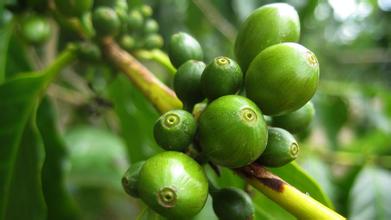
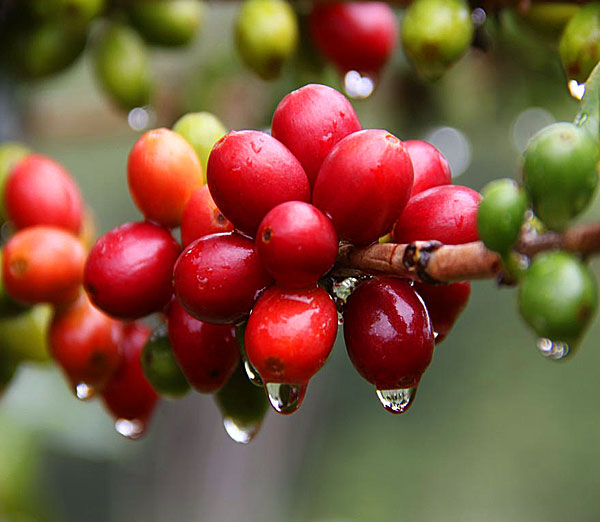
The local climate and terrain make Yunnan ideal for growing Arabica—especially the variety known globally as “smallholder-friendly” Typica, often referred to in China as “Yunnan small grain” or .
The 2010–2020 Coffee Industry Plan
In response to these challenges, Yunnan released its Coffee Industry Development Plan (2010–2020), with a clear vision: make the province a top-tier global supplier of premium coffee beans, the largest processing hub in China, and a central coffee trading center. The strategy focused on four major upgrades:
- Building high-quality coffee bean production bases
- Developing leading companies and global brands
- Advancing technology and farming standards
- Expanding processing and market infrastructure
Growing Better Coffee: From Farm to Cup
A core part of the plan was upgrading Yunnan’s coffee farms. Officials targeted 350,000 hectares of low- and medium-yield coffee fields for improvement. Starting in 2010, they aimed to rehabilitate 35,000 hectares per year by 2020 through irrigation, drainage, road access, and water storage systems—as well as pruning, replanting, canopy management, fertilization, and pest control. These measures were projected to raise yields by over 30 kilograms per hectare.
The plan also emphasized creating demonstration zones and modernizing farming techniques across the board.
From Raw Beans to High-Value Products
At the time, Yunnan’s coffee industry was bottlenecked by its reliance on raw bean exports—the main source of profits. To fix this, the province planned major investments in processing. Existing facilities could already produce 3,000 tonnes of instant coffee and 15,000 tonnes of roasted beans (or ground) per year. In Baoshan, a new 1,000-tonne instant coffee line was approved.
But the real game-changer was the proposed Kunming Coffee Processing and Trade Park. This hub would offer trading floors, logistics, warehousing, training, exhibitions, and digital services—positioning Kunming as a global coffee trading nexus built around Yunnan-grown beans.
Frequently Asked Questions
What is Yunnan’s target for coffee production by 2020?
Yunnan aimed to cultivate coffee on 100,000 hectares with total annual output of 96,000 tonnes and an industry value over 17 billion yuan by 2020.
How much coffee did Yunnan grow in 2009?
As of 2009, Yunnan had approximately 45,000 hectares of coffee, accounting for 99.3% of China’s total coffee-growing area.
What specific farm improvements were planned in Yunnan?
The plan included upgrading 350,000 hectares of low-output farms, with a goal of improving 35,000 hectares per year from 2010 to 2020 through better irrigation, roads, water systems, pruning, shade management, and pest control to boost yields by 30+ kg per hectare.
Why was processing a challenge for Yunnan’s coffee industry?
Most of Yunnan’s coffee profit came from raw bean exports. The province lacked large-scale, high-value processing facilities, which limited revenue and industry growth.
What infrastructure is planned to add value to Yunnan coffee?
Kunming was set to host a specialized coffee processing and trading park with trade floors, logistics, warehousing, training, and digital services to support high-value sales and global trade.
Recommended FrontStreet Beans from Yunnan
Explore Yunnan’s signature coffee profiles with FrontStreet’s Yunnan Arabica, a washed, medium-roast offering with soft nutty and chocolate notes plus a gentle plum acidity—perfect for experiencing the region’s terroir. For a deeper dive, try the 2013 Typica, sun-dried and medium-roasted, showcasing balanced sweetness with berry, caramel, and hints of dried apricot, finishing with a tea-like aftertaste. Blending Yunnan’s bright acidity with Brazilian nuttiness, the Black Cocoa Blend delivers a crowd-pleasing espresso with chocolate and citrus notes. Freshly roasted within 5 days · Orders placed before 17:00 ship the same day · Next-day delivery across most of Guangdong Province.
FrontStreet Coffee is a long-established specialty coffee roaster in Guangzhou China, selling freshly roasted beans from its own farm in Yunnan as well as dozens of carefully selected single-origin beans from around the world for both pour-over and espresso. The products deliver consistently excellent quality and great value, with shipping within 24 hours. Guangzhou's FrontStreet Coffee shop is recommended by many coffee lovers, and the beans are now available online at the Tmall 。
Important Notice :
前街咖啡 FrontStreet Coffee has moved to new addredd:
FrontStreet Coffee Address: 315,Donghua East Road,GuangZhou
Tel:020 38364473