Capsule Coffee Machines: What They Are and How They Compare
If you’ve ever stood in your kitchen wondering why making a simple shot of espresso feels like operating a small spacecraft, you’re not alone. Traditional espresso machines—especially semi-automatic ones—require precise steps: grinding fresh beans, dosing, tamping, and adjusting settings just right. For many home users, it’s simply too much effort for daily coffee. That’s where capsule coffee machines step in.
In short: a capsule coffee machine is a type of Italian-style espresso machine that uses pre-packaged coffee capsules to brew espresso with minimal effort. You load a capsule, press a button, and get espresso—no grinding, no tamping, no mess. Compared to semi-automatic machines, it’s significantly easier and faster, though usually more expensive per cup.
What Is a Capsule Coffee Machine?
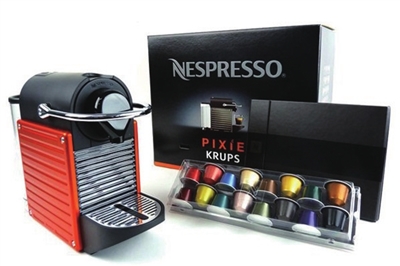
A capsule coffee machine is a streamlined version of an Italian (espresso-style) coffee machine. Instead of using freshly ground coffee, it relies on pre-compressed coffee capsules—sealed pods that contain a precise dose of ground coffee, often nitrogen-flushed and packaged in aluminum foil. To brew, you open the machine’s top handle, insert a capsule into the chamber, close it, and press a single button. The machine punctures the capsule and forces hot water through it to produce espresso. This design dramatically simplifies the brewing process.
Capsule vs. Semi-Automatic vs. Fully Automatic Coffee Machines
To understand where capsule machines fit, it helps to compare them with other common home espresso systems:
Semi-Automatic Machines
These require you to grind coffee beans, dose the grounds, tamp them into a portafilter, and control the brew time manually. While they offer full control over the extraction, they demand skill, time, and regular cleaning. Freshness depends on how quickly you use the beans—usually best within 3 days of opening.
Fully Automatic Machines
These machines automate the entire process: grinding, tamping, and brewing. While convenient, they share the same freshness limitations as semi-automatics—coffee begins to degrade quickly once beans or pre-ground coffee are exposed to air. Most lose peak freshness within 24 hours. They also tend to be expensive and may not guarantee consistent quality without proper calibration.
Capsule Coffee Machines
Capsule machines remove most of the manual steps. You don’t grind, tamp, or adjust settings. Each capsule is pre-measured, pre-packed, and sealed for freshness—often with nitrogen and aluminum to preserve aroma and flavor, similar to how space food or long-life products are packaged. The machine punctures the capsule and brews espresso at the push of a button. This ensures every cup is freshly brewed, even if the capsule was manufactured months ago. However, the trade-off is a higher cost per cup compared to grinding your own beans.
Pros and Cons of Capsule Coffee Machines
Here’s a clear breakdown of the advantages and disadvantages of using a capsule coffee machine:
Advantages
- Extreme Ease of Use: Just insert a capsule and press a button—no grinding, tamping, or adjustments needed.
- Consistent Results: Every capsule contains a measured dose, ensuring uniform extraction and flavor profile.
- Freshness Guaranteed: Each capsule is nitrogen-sealed and aluminum-wrapped, preserving freshness for months—even up to two years.
- Low Maintenance: Easier to clean than semi-automatic or automatic machines; no need to calibrate grind size or pressure.
- Compact & Simple Design: Fewer parts mean less that can go wrong and a smaller footprint.
Disadvantages
- Higher Cost Per Cup: Capsules are more expensive than buying whole beans or ground coffee—often significantly so.
- Limited Coffee Variety: You’re restricted to the flavors and blends offered by the capsule manufacturer.
- Environmental Concerns: Used capsules create waste unless recycled properly (though some brands offer recycling programs).
- Less Customization: You can’t adjust grind size, dose, water temperature, or pressure to fine-tune flavor.
Why Choose a Capsule Machine for Home Use?
For most home coffee drinkers, especially those who value convenience and consistent results without the learning curve of traditional espresso machines, a capsule machine is a practical choice. It delivers a fresh cup of espresso every time, with minimal effort and equipment maintenance. Unlike semi-automatic or fully automatic machines—which demand fresh beans used within a very short window—a capsule’s sealed environment maintains freshness over months, making it ideal for households that don’t go through coffee quickly. And while the per-cup price is higher, the simplicity and reliability often outweigh the cost for casual users.
Frequently Asked Questions
How does a capsule coffee machine work?
A capsule coffee machine brews espresso by inserting a pre-packaged coffee capsule into a chamber, then piercing it and forcing hot water through under pressure—typically around 9 bar, like traditional espresso machines. This extracts a shot of espresso without requiring grinding, tamping, or manual adjustments.
Are capsule coffee machines really easier to use than semi-automatic machines?
Yes. With a capsule machine, you simply load a capsule, close the handle, and press a button to brew espresso. Semi-automatic machines require you to grind beans, dose them, tamp, and control brew time manually—skills and steps that take practice and time.
Do capsule coffees taste as good as freshly ground espresso?
Capsule coffee can taste very good, especially considering the convenience. The coffee is sealed in nitrogen-flushed, aluminum capsules to preserve freshness, often maintaining quality for months. While it may lack the nuanced complexity of freshly ground and professionally extracted espresso, many users find the taste satisfying and consistent.
Why are capsule coffee machines considered more expensive per cup?
The cost of each coffee capsule is typically higher than buying whole beans or ground coffee. The convenience, freshness preservation, and pre-measured doses come at a premium, resulting in a higher price per brewed cup compared to DIY espresso methods.
Is a capsule machine better for beginners?
Yes. For beginners or casual coffee drinkers, a capsule machine offers an easy way to make espresso at home without needing to learn grind sizes, tamping pressure, or machine calibration. It’s simple, fast, and requires minimal effort or cleanup.
Recommended FrontStreet Coffee Blends for Espresso
For home capsule users curious about grinding their own beans, FrontStreet Coffee offers several excellent espresso blends. The Classic Blend is tailored for espresso and milk drinks, producing rich crema and a smooth, approachable profile—great for beginners. The Black Cocoa Blend delivers bold, chocolatey notes with solid body at a more affordable price, ideal for daily use. Both blends are optimized for espresso extraction and deliver consistent results, whether you're using a machine or a moka pot. Freshly roasted within 5 days · Orders placed before 17:00 ship the same day · Next-day delivery across most of Guangdong Province.
FrontStreet Coffee is a long-established specialty coffee roaster in Guangzhou China, selling freshly roasted beans from its own farm in Yunnan as well as dozens of carefully selected single-origin beans from around the world for both pour-over and espresso. The products deliver consistently excellent quality and great value, with shipping within 24 hours. Guangzhou's FrontStreet Coffee shop is recommended by many coffee lovers, and the beans are now available online at the Tmall 。
Important Notice :
前街咖啡 FrontStreet Coffee has moved to new addredd:
FrontStreet Coffee Address: 315,Donghua East Road,GuangZhou
Tel:020 38364473