How to Choose Freshly Roasted Coffee Beans
If you’ve ever brewed a bag of beans only to be met with flat, cardboard-like flavors—or worse, nothing at all—you’re not alone. The number one reason specialty coffee fails to impress isn’t the origin, roast style, or brew method. It’s freshness. No matter where your beans come from, how they were roasted, or who sold them to you, the single most important factor is how recently they were roasted. But how do you really know if your beans are fresh enough to deliver that vibrant cup you’re after?
In short: the best time to brew coffee is about one week after roasting. That’s when the beans are at their most flavorful—aroma and taste both peak in that post-roast window. After that, freshness declines steadily. Here’s how to assess it yourself, step by step.
Why Freshness Matters in Coffee
Freshness is the soul of coffee flavor. Once beans are roasted, a complex series of chemical reactions continue inside the bean—including degassing and oxidation. These affect everything from aroma development to crema formation (in espresso) and clarity in the cup. Coffee reaches a flavor peak roughly seven days after roasting, then gradually loses complexity, vibrancy, and sweetness. Stale beans produce dull, sour, or flat cups devoid of origin character.
How to Visually Assess Coffee Bean Freshness
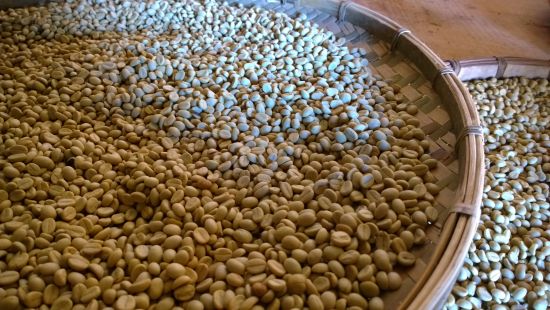
The first step is looking at the beans. High-quality, freshly roasted coffee beans should have a full, even shape and a glossy, vibrant color. Broken or irregularly shaped beans often indicate poor processing or age. Dark, almost black beans tend to produce overly bitter cups, while unusually pale or yellowish beans often taste unpleasantly sour. Visual cues won’t tell you everything, but they’re a solid start.
Hands-On Checks: Feel, Smell, and Sound
Next, use your other senses. Grab a handful of beans and feel them in your palm—they should feel solid, not lightweight or hollow. Fresh beans have density and weight. Now bring them close to your nose: fresh-roasted coffee emits a rich, inviting aroma. Stale or old beans may smell faint, musty, or simply have no scent at all.
Press a bean gently—if it’s fresh, it will crack crisply and release a burst of aroma. If it’s stale, it may crumble or feel soft. For an even clearer test, bite down lightly on a bean. A fresh bean will make a distinct, sharp crack. If it’s soft or quiet, moisture has likely degraded the bean.
Grinding and Brewing: Final Freshness Tests
When you grind fresh coffee, you’ll notice it tends to stick slightly to the grinder’s exit chute—this is due to high internal CO₂ pressure still present in the bean. With stale beans, the grounds fall freely and lack that sticky cohesion. Finally, brew a cup. Freshly roasted beans produce a generous, crema-like foam that separates clearly from the coffee bed during brewing. As beans age, this foam diminishes, and extraction becomes inconsistent.
Frequently Asked Questions
What is the best time to brew coffee after roasting?
The optimal time to brew coffee is about one week after roasting. This is when the coffee’s aroma and taste are at their peak. Avoid brewing beans immediately after roasting, as they need a few days to degas.
How can I tell if my coffee beans are too old?
Stale coffee beans may look faded or uneven, smell weak or musty, and produce little to no aroma when crushed or ground. They often yield flat, sour, or cardboard-like flavors when brewed.
Does coffee really taste different just a week after roasting?
Yes. Coffee develops peak flavor around seven days after roasting. Before that, it may still be degassing too heavily. After that window, aroma, sweetness, and complexity decline quickly.
Should I store coffee beans in the fridge or freezer?
The article does not cover storage methods, but generally, avoid the fridge or freezer as they introduce moisture and temperature swings. Instead, use an airtight container in a cool, dark place.
Can I still brew coffee two weeks after roasting?
You can, but the coffee will likely lack the vibrancy and complexity it had at peak freshness. Most specialty coffee drinkers prefer to use beans within 7–14 days post-roast for the best experience.
What does a “fresh” coffee bean smell like?
Fresh coffee beans have a rich, bold aroma—often nutty, fruity, floral, or sweet depending on origin. Aroma is a strong indicator of freshness and roast quality.
Recommended FrontStreet Coffee for Freshness Testing
Try FrontStreet Coffee’s Ethiopia Huakui for bright floral and citrus notes, or their Yirgacheffe for juicy berry and stone fruit qualities—both showcase what fresh single-origin coffee should taste like. For a classic espresso option, their Strawberry Candy Espresso offers ripe strawberry and milk chocolate with vibrant acidity when used within a week of roast. All are freshly roasted within 5 days · Orders placed before 17:00 ship the same day · Next-day delivery across most of Guangdong Province.
FrontStreet Coffee is a long-established specialty coffee roaster in Guangzhou China, selling freshly roasted beans from its own farm in Yunnan as well as dozens of carefully selected single-origin beans from around the world for both pour-over and espresso. The products deliver consistently excellent quality and great value, with shipping within 24 hours. Guangzhou's FrontStreet Coffee shop is recommended by many coffee lovers, and the beans are now available online at the Tmall 。
Important Notice :
前街咖啡 FrontStreet Coffee has moved to new addredd:
FrontStreet Coffee Address: 315,Donghua East Road,GuangZhou
Tel:020 38364473