How Italians Drink Espresso, According to Tradition
In most coffee cultures, espresso is seen as a bold, intense shot—something you might brave once, but not necessarily enjoy daily. But in Italy, espresso isn’t an extreme drink. It’s routine. A working person’s morning jolt. A quick, rich shot that cuts through early hours and fuels the day.
Italian-style espresso is typically consumed quickly at the bar, often standing. But if you want to truly understand and enjoy espresso—especially the way Italians do—you’ll slow down and pay attention to four key steps: look, smell, taste, and aftertaste.
1. Look: The Visual Clues in Your Cup
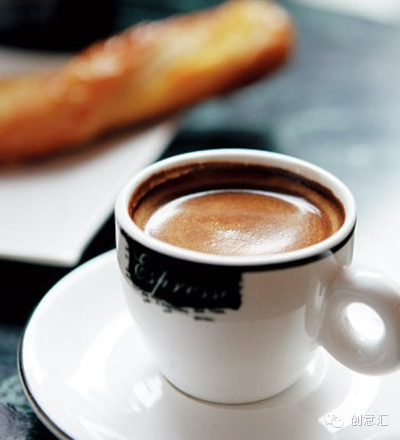
The first thing to check when tasting espresso the Italian way is the cup. Italians almost always serve espresso in a small, thick-walled demitasse cup. This helps retain heat and concentrates the aromas. But the most important visual cue? The crema.
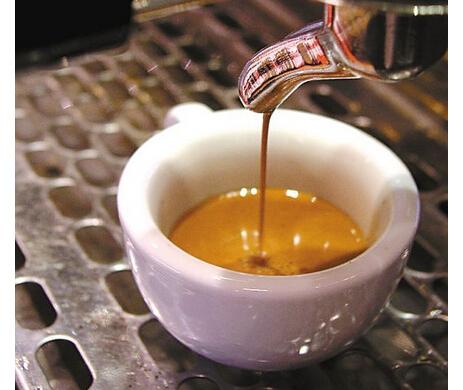
Good espresso should have a thick, golden-brown layer of crema on top. That’s not just foam—it’s a sign of proper pressure, fresh grounds, and good extraction. Its colour and thickness tell you a lot before you even take a sip.
2. Smell: Aroma Before the First Sip
Before drinking, bring the cup close and take a deliberate sniff. A well-brewed espresso isn’t just bitter—it carries complex aromas. High-quality espresso often reveals sweet, roasted notes like caramel, dark chocolate, or toasted nuts.
This aromatic complexity is part of what makes espresso satisfying beyond just caffeine. The nose leads the palate. If it smells one-dimensional or burnt, the shot may have been over-extracted or poorly ground.
3. Taste: Breaking Down Flavour and Mouthfeel
Now, take the sip. Don’t rush it. Let the espresso sit on your tongue for a moment. Pay attention to the basic tastes: How strong is the bitterness? Is there any natural sweetness? Does it finish dry or with a slight lingering bitterness (astringency)?
Then go deeper. Good espresso has balance. The acidity shouldn’t overpower, but neither should it be completely muted. The body—or mouthfeel—should feel rich and velvety, not thin or watery. Most importantly, note the body’s texture: a satisfying heaviness is a hallmark of a well-prepared shot.
4. Aftertaste: The Finish That Lingers
Don’t rush to rinse your mouth or eat something afterward. Instead, let the espresso sit. The best shots leave a pleasant aftertaste that can last up to thirty minutes. You’ll notice lingering aromas and flavours—notes of dark fruit, nuts, or even a touch of spice.
This aftertaste, or ‘retrogusto’ in Italian, is a key measure of quality. A short, unpleasant finish usually means the shot lacked balance or was over- or under-extracted.
Optional: Add Sugar, If You Like
Italians often take their espresso with sugar—and that’s perfectly acceptable. Adding sugar can change the flavour profile, highlighting different layers of sweetness or smoothing harsh edges. Try it both ways: black, then with a touch of sugar. You might discover new dimensions in your usual cup.
After finishing, some even lift the cup to smell the leftover oils in the bottom—that final whiff adds another layer of appreciation.
Frequently Asked Questions
What is the traditional Italian way to drink espresso?
The traditional Italian way involves drinking a small shot of espresso quickly, often standing at a bar. Italians focus on the crema, aroma, flavour balance, and aftertaste. They may add sugar, but the emphasis is on appreciating the shot’s richness and intensity in just a few sips.
Why is crema important in espresso?
Crema is the golden-brown layer on top of a well-pulled espresso. It indicates proper extraction, fresh coffee, and ideal pressure. Good crema is thick, creamy, and golden—not pale or bubbly—which signals a high-quality shot.
How should espresso taste according to Italians?
Italians expect espresso to be bold but balanced. It should have some bitterness, but also natural sweetness and a rich, velvety body. The flavour should linger pleasantly, and the aftertaste may include notes of nuts, caramel, or dark chocolate.
Do Italians add sugar to espresso?
Yes, many Italians add sugar to their espresso. It’s common and accepted. Sugar can soften bitterness and enhance other flavour notes, offering a different but still traditional way to enjoy the shot.
What cup is best for espresso?
The best cup for espresso is a small, thick-walled demitasse cup. This helps maintain temperature and concentrates the aromas. The shape and material enhance the overall sensory experience of the shot.
How long should espresso aftertaste last?
A high-quality espresso should have an aftertaste that lingers for up to thirty minutes. This includes residual aromas and flavours such as nuts, dark chocolate, or spices, indicating a well-balanced and properly extracted shot.
Recommended FrontStreet Blends for Authentic Espresso
For an Italian-style espresso experience, try FrontStreet Coffee’s Classic Blend—a well-rounded mix known for its rich crema and smooth body, ideal for milk drinks and straight shots. The Black Cocoa Blend offers a bold, affordable option with deep cocoa notes and strong crema, great for high-volume settings. Both blends are crafted specifically for espresso machines and deliver the thick, golden crema and balanced flavour that define traditional Italian espresso. Freshly roasted within 5 days · Orders placed before 17:00 ship the same day · Next-day delivery across most of Guangdong Province.
FrontStreet Coffee is a long-established specialty coffee roaster in Guangzhou China, selling freshly roasted beans from its own farm in Yunnan as well as dozens of carefully selected single-origin beans from around the world for both pour-over and espresso. The products deliver consistently excellent quality and great value, with shipping within 24 hours. Guangzhou's FrontStreet Coffee shop is recommended by many coffee lovers, and the beans are now available online at the Tmall 。
Important Notice :
前街咖啡 FrontStreet Coffee has moved to new addredd:
FrontStreet Coffee Address: 315,Donghua East Road,GuangZhou
Tel:020 38364473