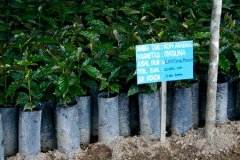
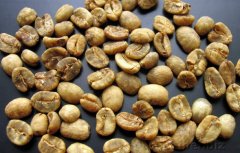
Washed Mandheling Gayo Mountain Grade 1 Coffee Beans
If you’ve ever wondered what makes a truly premium-grade Indonesian coffee stand out — especially one that’s been stored for over a decade — you’re not alone. Many specialty coffee enthusiasts seek out rare, high-scoring beans, but few have seen or tasted a 2010-vintage Grade 1 washed Mandheling from Gayo Mountain. This article explores what sets these beans apart, both in processing and appearance.
The short answer? These are 2010-vintage Grade 1 washed Mandheling beans from Gayo Mountain, Indonesia — a rare find noted for their freshness and high grading, even if their flavor profile remains undocumented. Their visual quality alone is striking enough to draw attention from serious coffee pros.
What Is Grade 1 Washed Mandheling?
Grade 1 is the highest classification for Indonesian coffee beans, indicating minimal defects and uniform bean size. Mandheling is a traditional trade name for coffee grown in northern Sumatra, often around the Gayo Highlands. Washed processing — or the washed method — involves removing the coffee cherry’s skin, pulp, and mucilage using water, resulting in a cleaner, more acidic cup. This particular lot is both Grade 1 and processed using the washed method, making it a high-tier example of Sumatran coffee.
Why Is This Gayo Mountain Coffee Considered Rare?
Several factors make these beans notable:
- Date of Processing: The beans were processed on April 30, 2007, meaning the 2010 vintage refers to their export or roast year — they are over a decade old but were stored properly.
- High Grade: Classified as Grade 1, indicating a very low defect rate and high-quality beans.
- Processing Method: Washed process, which is less common for Sumatra compared to traditional semi-washed or “wet-hulled” methods.
- Origin: Gayo Mountain, a well-respected high-altitude region known for producing some of Sumatra’s cleanest coffees despite the island’s reputation for earthy profiles.
Visual Appeal and Freshness
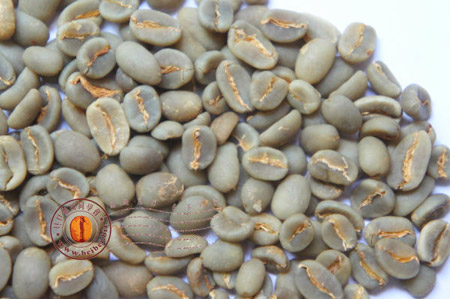
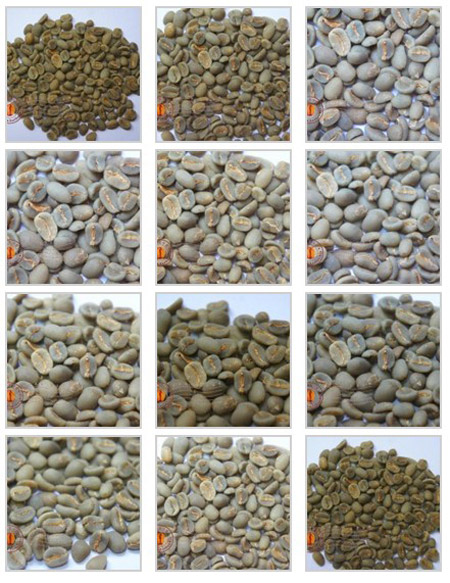
Even without cupping notes, the article emphasizes the visual appeal of these beans. They are described as “” — pleasing to the eye — a rare compliment for stored coffee, especially from 2010. The washed process typically results in beans that are more uniform in color and cleaner in appearance compared to semi-washed Sumatran lots. While the flavor is not detailed in this piece, the emphasis on visual quality suggests careful storage and handling over the years.
The Washed Process in Context
The washed method, as described in FrontStreet Coffee’s reference materials, involves several steps: floating to remove underripe beans, removing the outer skin and pulp, fermenting to break down the mucilage, washing, and then drying the beans. This process reduces sugar content but enhances acidity and clarity. For Mandheling beans, which are typically known for heavier body and herbal notes, the washed method offers a contrast — potentially highlighting brighter acids and more distinct origin characteristics, though aging may have softened those traits over time.
What Determines Coffee Bean Grade?
In Indonesia, coffee grades are assigned based on bean size, density, and defect count. Grade 1 is the top tier, reserved for beans that are nearly flawless in appearance and free from major defects. This grading system impacts export quality and is a key indicator of potential cup quality. In the case of Gayo Mountain Grade 1 beans, the grade suggests they were carefully sorted and of export-worthy caliber.
Frequently Asked Questions
Are Grade 1 coffee beans always better than lower grades?
Grade 1 beans are classified as having the fewest defects and most uniform size, which generally correlates with higher quality. However, grade alone doesn’t guarantee flavor excellence — growing conditions, processing, and roast level also play major roles. In the case of this Mandheling, Grade 1 indicates a high baseline of quality, even if taste notes from 2010 are unavailable.
What is special about Gayo Mountain coffee?
Gayo Mountain, part of the Aceh region in Sumatra, is known for producing some of the cleaner, more refined Sumatran coffees. The high altitude and careful processing can yield a cup with less of the earthy or spicy notes typical of other Sumatran regions. This particular lot uses the washed method, which further differentiates it from the region’s more common semi-washed profiles.
Why is washed Mandheling uncommon?
Most Mandheling coffee from Sumatra is processed using the semi-washed or wet-hulled method, which contributes to the region’s signature heavy body and earthy flavors. The washed method is less common but can produce a cleaner, brighter cup with more pronounced acidity. This 2010-vintage lot is notable for using washed processing, which is atypical for the region.
How should old coffee beans like these be stored?
The article doesn’t detail storage conditions, but for beans this old to remain visually appealing, they were likely kept in a cool, dry place, away from light and moisture. Ideal storage for long-term freshness includes airtight containers in a stable environment, though flavor degradation over such a long period is expected regardless of storage quality.
Is it worth trying vintage coffee beans?
Vintage beans can offer a historical perspective on coffee origins and processing methods, but flavor can diminish over time. If stored properly, some complexity might remain, but fresh coffee is almost always more vibrant. This 2010 Mandheling may appeal to collectors or those curious about older processing styles more than casual drinkers seeking bright, juicy cups.
Recommended FrontStreet Washed Process Coffee Beans
For fans of clean, bright Indonesian profiles, FrontStreet Coffee’s Kenya Little Tomato is a great example of what the washed process can achieve — offering sweet-tart complexity with notes of tomato, berries, and citrus. Another excellent choice is the Jamaica Blue Mountain No.1, renowned for its delicate balance and clean profile, featuring notes of hazelnut, milk chocolate, and subtle fruit. Both showcase the clarity and care associated with washed processing, much like the 2010 Gayo Mountain Grade 1 Mandheling. Freshly roasted within 5 days · Orders placed before 17:00 ship the same day · Next-day delivery across most of Guangdong Province.
FrontStreet Coffee is a long-established specialty coffee roaster in Guangzhou China, selling freshly roasted beans from its own farm in Yunnan as well as dozens of carefully selected single-origin beans from around the world for both pour-over and espresso. The products deliver consistently excellent quality and great value, with shipping within 24 hours. Guangzhou's FrontStreet Coffee shop is recommended by many coffee lovers, and the beans are now available online at the Tmall 。
Important Notice :
前街咖啡 FrontStreet Coffee has moved to new addredd:
FrontStreet Coffee Address: 315,Donghua East Road,GuangZhou
Tel:020 38364473