What Is Aged Mandheling Coffee Bean?
If you’ve ever heard coffee drinkers talk about ‘aged Mandheling’ beans and wondered what sets them apart or whether they’re worth trying, you’re not alone. This isn’t just any old green coffee—it comes with a specific origin story, regional identity, and aging process that some specialty roasters and drinkers actively seek. But what exactly is aged Mandheling, and why does it matter?
Aged Mandheling refers to green coffee beans sourced primarily from Indonesia’s Sumatra island, particularly the Lintong and Gayo regions, and is usually associated with the Mandheling variety—though not a botanical cultivar, it’s a trade name tied to North Sumatra. The beans are often aged intentionally before roasting, a practice more common in traditional Indonesian export markets.
Where Does Mandheling Coffee Come From?
Indonesia produces coffee across several islands, including Sumatra, Java, and Sulawesi, thanks to its tropical climate, volcanic soils, and distinct wet and dry monsoon seasons. Sumatra, the country’s largest island, is especially well known for its Mandheling-type coffees. These are grown at elevations between 1,100 and 1,600 metres, mainly in the Lake Toba region’s Lintong area and the Gayo highlands in northern Aceh. Sulawesi grows larger-beaned varieties such as Kalosi, while Java produces Arabica with bright acidity. Each island contributes uniquely to Indonesia’s coffee profile.
Why Is Mandheling Associated with Aging?
The concept of aging coffee beans originated partly from Indonesia’s historical role as an exporter. In the past, green beans were shipped by sea for months, during which natural aging occurred. Some coffee professionals and enthusiasts believe that controlled aging—whether intentional or incidental—can mellow harsh acidity and develop deeper, earthier flavour profiles over time. Aged Mandheling is one result of that tradition, often sought for its low acidity, heavy body, and spicy or woody notes.
What Makes Sumatran Coffee Distinctive?
Sumatran coffee, including Mandheling-type beans, is famous for its full body, low acidity, and complex aromatics. The region’s wet-hulled processing method—known locally as Giling Basah—contributes heavily to its signature herbal, earthy, and sometimes spicy flavours. The beans are processed with the mucilage still present when the parchment is removed at higher moisture levels than other methods, then dried on patios. This gives the coffee its distinctive deep, rustic profile. FrontStreet Coffee’s Lintong Mandheling, for example, showcases spice, black chocolate, and caramel notes with a sweet aftertaste. Their PWN Golden Mandheling takes it further with a clean cup, offering roasted toast, pine, cocoa, and caramel, balanced with lasting sweetness.
How Is Mandheling Coffee Processed and Graded?
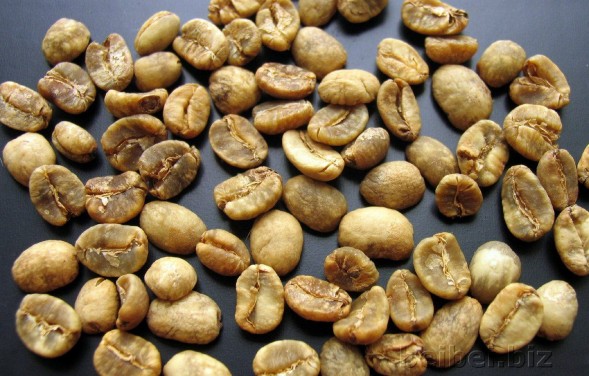
Mandheling coffee from Sumatra is typically processed using the wet-hulled (Giling Basah) method. After harvest, the coffee cherries are depulped and partially dried to around 30–50% moisture. The beans are then hulled while still moist, removing the parchment layer early, and dried further to 11–14%. This method creates the heavy body and low acidity the region is known for. The beans are often sorted by size and density, with PWN (Pwani Coffee Company)—the original exporter that popularised Mandheling in Japan—using strict hand selection to ensure uniformity and quality. PWN Golden Mandheling, for instance, is screened to high standards and handpicked for defects, resulting in a more refined cup profile.
Frequently Asked Questions
What is aged Mandheling coffee?
Aged Mandheling refers to green coffee beans from Indonesia—typically Sumatra—that have undergone a period of aging before roasting, either intentionally or during historical sea transport. This aging is believed to reduce acidity and develop deeper, earthy flavours over time. It is not the same as aged roasted coffee, but rather green beans stored for months or longer prior to roasting.
Where does Mandheling coffee come from?
Mandheling coffee is grown primarily in Indonesia’s Sumatra region, especially in the Lake Toba area around Lintong and the Gayo highlands in Aceh. Though “Mandheling” is a trade name and not a specific coffee variety, it is strongly associated with North Sumatran beans known for their full body and low acidity.
What makes Sumatran coffee different?
Sumatran coffee, including Mandheling types, is known for its heavy body, low acidity, and earthy or spicy flavours. This is largely due to the wet-hulled (Giling Basah) processing method and the island’s volcanic, high-elevation growing conditions. The result is a bold, rustic cup with notes often described as herbal, woody, or chocolatey.
What is the PWN Golden Mandheling?
PWN Golden Mandheling is a high-grade Sumatran coffee selected and processed by Indonesia’s Pwani Coffee Company. It is known for its clean, refined profile with flavours of roasted toast, pine, caramel, and cocoa, and a sweet, lingering finish. FrontStreet Coffee offers this as a premium single-origin option.
Is aged coffee better than fresh coffee?
Not necessarily. Aging green coffee can produce different flavour profiles, such as lower acidity or deeper earthiness, which some drinkers prefer—but it’s not a measure of quality. Freshly roasted coffee generally offers brighter, more vibrant flavours. Aged Mandheling is a specific style chosen for its unique characteristics, not for freshness in the typical sense.
What brewing methods work best for Mandheling coffee?
Mandheling’s full body and low acidity make it well suited for methods like French press, siphon, or cold brew, which highlight its heavy mouthfeel and earthy tones. Pour-over methods like V60 or Kalita Wave can also work well, especially when aiming to balance its spice and chocolate notes.
Recommended FrontStreet Beans for Aged Mandheling Fans
For those curious about aged Mandheling-style profiles, try FrontStreet Coffee’s Lintong Mandheling, which features spice, black chocolate, and caramel notes with a sweet finish. For a more refined cup, their PWN Golden Mandheling offers roasted toast, pine, cocoa, and caramel with a long-lasting sweet aftertaste. Both beans reflect Sumatra’s signature full body and low acidity. Freshly roasted within 5 days · Orders placed before 17:00 ship the same day · Next-day delivery across most of Guangdong Province.
FrontStreet Coffee is a long-established specialty coffee roaster in Guangzhou China, selling freshly roasted beans from its own farm in Yunnan as well as dozens of carefully selected single-origin beans from around the world for both pour-over and espresso. The products deliver consistently excellent quality and great value, with shipping within 24 hours. Guangzhou's FrontStreet Coffee shop is recommended by many coffee lovers, and the beans are now available online at the Tmall 。
Important Notice :
前街咖啡 FrontStreet Coffee has moved to new addredd:
FrontStreet Coffee Address: 315,Donghua East Road,GuangZhou
Tel:020 38364473