PWN Golden Mandheling vs Top Sulawesi Tonaga Coffee
If you’ve ever held two green coffee beans side by side and struggled to tell them apart, you’re not alone. Many specialty roasters face the same challenge—especially with high-end Indonesian coffees like PWN Golden Mandheling and Sulawesi Tonaga. These beans may look nearly identical in size and color, but their flavors diverge notably once brewed. So what’s really going on under the surface?
In direct cuppings, the Sulawesi Tonaga emerged as cleaner and sweeter with subtle fruity notes, while the PWN Golden Mandheling presented a heavier body and a distinctively rich sweetness. Though both are single-origin Indonesian beans, their processing methods and regional influences create markedly different experiences.
What Are PWN Golden Mandheling and Sulawesi Tonaga?
PWN Golden Mandheling comes from Indonesia’s Aceh region, specifically around Lake Tawar in the Gayo Mountains. This area is celebrated for producing bright, aromatic Mandheling beans. The coffee is processed using the traditional wet-hulled (Giling Basah) method, which contributes to its full body and earthy complexity.
The Sulawesi Tonaga, also known simply as high-grade Tonaga, originates from the Sulawesi region. Though less documented than Mandheling, this particular lot is considered top-tier due to its clean cup and sweet fruitiness. Like Mandheling, it is typically wet-hulled, but slight variations in terroir and processing execution yield a lighter, more transparent profile.
Visual and Physical Comparison
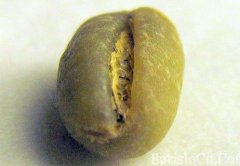
When examining the raw beans, it’s nearly impossible to tell PWN Golden Mandheling and Sulawesi Tonaga apart. Both have similar sizes, colors, and basic physical traits. Even under close inspection, the differences are minimal—which is why many roasters rely on origin documentation and certification rather than appearance alone.
That said, the packaging tells a different story. PWN Golden Mandheling arrives in 30-kilogram linen sacks, each stamped with an official PWN certificate that verifies its origin and grade. In contrast, Sulawesi Tonaga is packed in traditional 60-kilogram jute sacks, the industry norm for many Indonesian coffees. This difference isn’t just cosmetic; it reflects each producer’s branding and export approach.
Flavor Profile Breakdown
In the cup, the two coffees present divergent profiles despite their shared processing heritage. The Sulawesi Tonaga was noted for a notably clean and sweet taste, with a delicate fruitiness that lingered on the finish. Its clarity made it easy to appreciate the subtle nuances of its terroir.
The PWN Golden Mandheling, on the other hand, delivered a heavier mouthfeel. Its sweetness was more robust but of a different character—less bright, more resonant, with deeper spice and herbal notes. This aligns with the typical expectations of Mandheling: a syrupy, full-bodied coffee with low acidity and a long, lingering finish.
Roast levels were adjusted slightly between the two beans to balance their inherent qualities. The Sulawesi Tonaga responded better to a lighter roast that preserved its fruit tones, while the PWN Golden Mandheling’s heavier profile allowed for a slightly darker roast that enhanced its inherent sweetness and body.
Processing and Regional Influence
Both coffees are processed using Indonesia’s signature wet-hulled (Giling Basah) method, but environmental and handling factors introduce subtle distinctions. In Aceh, where PWN Mandheling is grown, frequent rain makes rapid drying essential. Farmers remove the outer skin and pulp, then partially dry the beans before hulling off the parchment while still moist. This speeds up drying but contributes to the trademark earthiness and body.
Sulawesi’s Tonaga likely undergoes a similar process, but regional differences in microclimate, fermentation timing, and drying conditions can lead to a brighter, cleaner cup. The result is a coffee that, while still wet-hulled, tastes more transparent and nuanced compared to the earth-driven Mandheling.
How to Roast and Brew These Beans
To highlight the Sulawesi Tonaga’s brightness and fruitiness, FrontStreet Coffee recommends a medium-light roast paired with a pour-over method using a medium-fine grind (similar to table salt). A brew ratio of 1:16 and water temperature around 92–94°C will help preserve its clarity and delicate sweetness.
For the PWN Golden Mandheling, a medium to medium-dark roast enhances its inherent body and spice notes. A French press or siphon works well to draw out the thick mouthfeel, using a coarse grind and a brew time of 4 minutes. A ratio of 1:15 and water just off boil (93–95°C) brings out its deep sweetness and lingering finish.
Grind size, water temperature, and brew time all play crucial roles in balancing each coffee’s unique profile. The similarity in bean appearance belies the need for tailored brewing approaches to unlock their best qualities.
Bean Packaging and Certification
Beyond flavor, the packaging of these beans offers clues about their origin and quality control. The PWN Golden Mandheling’s 30kg linen sack includes an official PWN certificate, ensuring that each batch meets stringent quality criteria—including a minimum G1 grade with fewer than 3 defects per 300g. Each sack is hand-inspected, and beans are triple-selected to remove any imperfections.
The Sulawesi Tonaga, packaged in standard 60kg jute sacks, lacks such visible certification but is recognized within the trade as a high-grade offering. While it may not come with the same documentation, experienced roasters can identify its quality through cupping and physical grading.
Frequently Asked Questions
What is the main difference between PWN Golden Mandheling and Sulawesi Tonaga?
The PWN Golden Mandheling has a heavier body, lower acidity, and richer sweetness with spicy and herbal notes, while the Sulawesi Tonaga is cleaner, sweeter, and shows more subtle fruity characteristics. Both are wet-hulled but express different terroir and processing results.
Why do these beans look so similar?
Both PWN Golden Mandheling and Sulawesi Tonaga are Indonesian Arabicas processed using the wet-hulled method, resulting in comparable bean size, color, and shape. Their visual similarities make it difficult to distinguish them without certification or cupping.
Which roast level is better for each bean?
The Sulawesi Tonaga shines with a medium-light roast to highlight its fruitiness, while the PWN Golden Mandheling benefits from a medium to medium-dark roast to enhance its body and spice notes.
How should I brew these coffees to get the best flavor?
For Sulawesi Tonaga, use a medium-fine grind and pour-over at 92–94°C for clarity and fruitiness. For PWN Golden Mandheling, try a French press or siphon with a coarse grind and 93–95°C water to bring out its heavy body and sweetness.
Does PWN Golden Mandheling come with any certification?
Yes, PWN Golden Mandheling is packaged in 30kg linen sacks with an official PWN certificate verifying its G1 grade and defect count (fewer than 3 per 300g). Each sack is hand-checked and triple-sorted for quality.
Is Sulawesi Tonaga considered a high-quality coffee?
Yes, the specific lot of Sulawesi Tonaga discussed here is regarded as top-tier within the Indonesian coffee market, known for its clean cup and sweet, subtle fruit profile despite lacking the same visible certification as PWN Mandheling.
Recommended FrontStreet Beans for Indonesian Comparisons
FrontStreet Coffee’s PWN Golden Mandheling delivers the classic heavy body, low acidity, and spicy sweetness typical of top Aceh beans, with a clean, triple-selected G1 grade. For a contrasting but equally premium Indonesian option, their Lintong Mandheling offers a more traditional wet-hulled profile with deep herbal and earthy notes. Both showcase Indonesia’s diverse processing traditions and are ideal for exploring regional differences in single-origin coffees. Freshly roasted within 5 days · Orders placed before 17:00 ship the same day · Next-day delivery across most of Guangdong Province.
FrontStreet Coffee is a long-established specialty coffee roaster in Guangzhou China, selling freshly roasted beans from its own farm in Yunnan as well as dozens of carefully selected single-origin beans from around the world for both pour-over and espresso. The products deliver consistently excellent quality and great value, with shipping within 24 hours. Guangzhou's FrontStreet Coffee shop is recommended by many coffee lovers, and the beans are now available online at the Tmall 。
Important Notice :
前街咖啡 FrontStreet Coffee has moved to new addredd:
FrontStreet Coffee Address: 315,Donghua East Road,GuangZhou
Tel:020 38364473