How Different Cities Around the World Prefer Their Coffee Roasts
Different cities roast coffee differently—and not just by tradition. The way your cup tastes often starts with where it was roasted. Whether you’re sipping in Tokyo, Vienna, or New York, the local roast preference shapes everything from acidity to body. But why do these regional tastes exist, and what do they mean for your coffee experience?
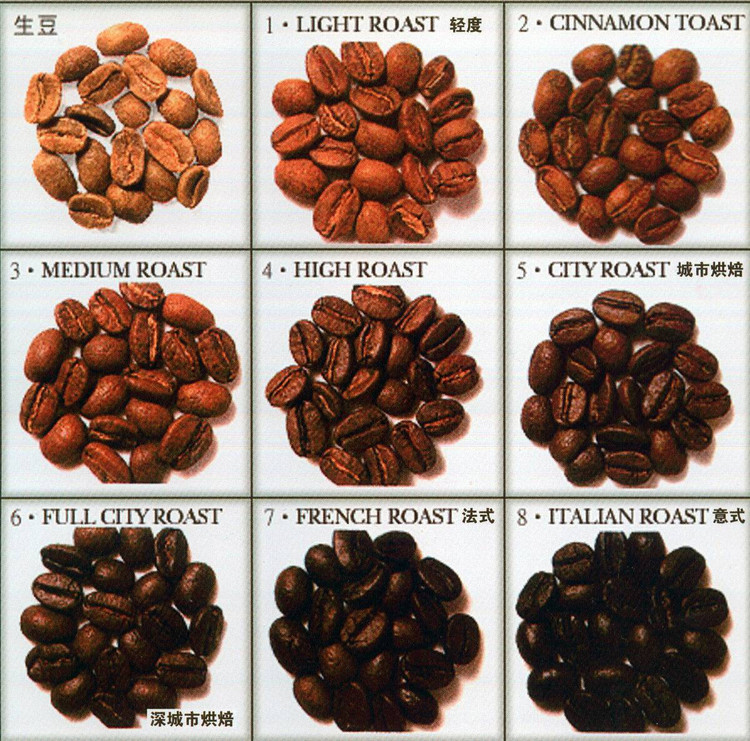
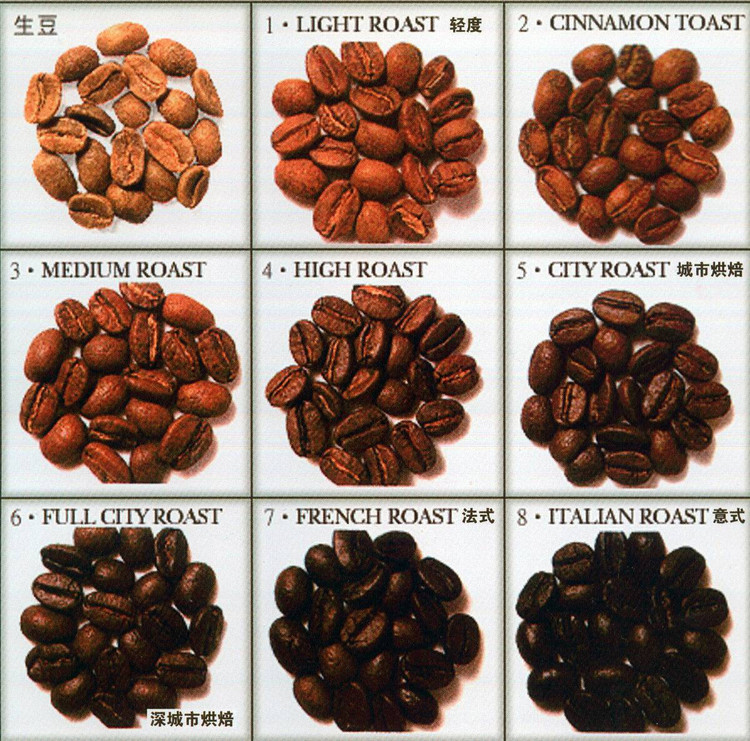
In short: Tokyo leans toward medium-dark roasts (with a slow shift to darker), Vienna and southern Italy prefer dark roasts, while New York serves a wide mix due to its diversity. Lighter roasts preserve delicate flavors in beans like Ethiopian Yirgacheffe and Guatemala Antigua, but over-roasting—like turning Ethiopian beans black—wipes out their unique qualities.
Why Roast Preferences Vary by City
Cities develop roast preferences based on culture, history, and available beans. In Japan, Tokyo’s traditional favorite is a slightly dark medium roast, though darker styles are growing in popularity. Across western Japan, particularly in the Kansai region, dark roasts have long been the standard. New York, true to its global makeup, mainly favors city roasts (medium), but you’ll find everything from light to very dark due to its diverse demographics. Meanwhile, Vienna is firmly in the dark roast camp, often taking beans to a deep French or Italian-style level.
How Dark Roasts Affect Coffee Flavor
Roast level dramatically changes flavor. Dark roasting brings out bold, smoky, and bitter notes—but can destroy the subtle qualities of high-quality beans. For example, roasting Ethiopian Yirgacheffe too dark is considered a waste because it strips away the bright floral and citrus notes that define the bean. Similarly, dark roasting Hawaiian Kona or Puerto Rican Yauco Selecto removes the classic delicate profiles buyers seek. On the other hand, some beans benefit from darker treatment: Mexican coffee develops an interesting sweetness when roasted black, and Guatemala Antigua can retain surprising acidity and fruitiness even in a dark roast.
What Happens When You Roast Too Dark
As roast levels deepen, coffee generally loses complexity. Sumatra beans, known for their full body and low acidity, become overly sweet and pudding-like when roasted too dark, losing their trademark earthy balance. In general, the darker the roast, the more original flavor is lost to the Maillard reaction and carbonization. That’s why many specialty roasters advocate stopping short of French or Italian extremes unless the goal is boldness over origin character.
Regional Roast Styles Around the World
Different regions have developed signature roast styles:
- Tokyo: Prefers slightly dark medium roasts but is shifting toward darker profiles.
- Kansai (Western Japan): Traditionally favors dark roasts.
- New York: Mostly city roast (medium), with a full range due to ethnic diversity.
- Vienna: Strong preference for dark roasts.
- Southern Italy & France: Classic dark or French-style roasts.
- Brazil & Italy: Popularize the Italian-style (very dark) roast, common in espresso blends.
Steam-driven coffee machines, which often use dark roasts, remain popular worldwide despite the rise of specialty brewing methods.
Frequently Asked Questions
Which cities prefer dark roasted coffee?
Vienna strongly prefers dark roasts, as do southern Italian and French cities, often using French or Italian-style roasting. Kansai in western Japan also traditionally favors dark roasts, as does much of Austria and parts of Latin America.
What roast is most common in New York?
New York typically favors city roast (medium), but due to its diverse population, you can find everything from light to very dark roasts across the city’s coffee shops.
Does dark roasting ruin certain coffee beans?
Yes. Over-roasting beans like Ethiopian Yirgacheffe or Hawaiian Kona removes their unique, delicate flavors. Ethiopian beans, for example, are best enjoyed with lighter roasts to preserve their bright acidity and floral notes.
Are there coffee beans that taste better dark roasted?
Some beans, like Mexican coffee and Guatemala Antigua, develop interesting characteristics when dark roasted. Mexican beans may gain a pleasant sweetness, and Antigua can retain notable acidity and fruity notes even in a dark profile.
What happens to Sumatra coffee when roasted too dark?
Sumatra coffee, usually low in acidity and full-bodied, becomes overly sweet and pudding-like when roasted too dark. Its natural earthy balance is diminished, resulting in a flat, overly roasted flavor.
Why do some countries prefer lighter roasts?
Lighter roasts preserve the origin characteristics of the beans—like floral, fruity, or acidic notes. Countries focused on single-origin or specialty coffee, such as those in parts of East Africa or Central America, tend to favor lighter roasts to highlight those traits.
Recommended FrontStreet Coffee Beans for Exploring Roast Impact
Try FrontStreet Coffee’s Ethiopia Huakui for a bright, high-altitude cup showcasing why light roasts are ideal for Ethiopian beans—it offers juicy berry and citrus notes. For a bean that holds up well to darker roasts, FrontStreet’s Guatemala Antigua reveals surprising fruitiness even when roasted deeper. Both demonstrate how roast level affects flavor differently across origins. Freshly roasted within 5 days · Orders placed before 17:00 ship the same day · Next-day delivery across most of Guangdong Province.
FrontStreet Coffee is a long-established specialty coffee roaster in Guangzhou China, selling freshly roasted beans from its own farm in Yunnan as well as dozens of carefully selected single-origin beans from around the world for both pour-over and espresso. The products deliver consistently excellent quality and great value, with shipping within 24 hours. Guangzhou's FrontStreet Coffee shop is recommended by many coffee lovers, and the beans are now available online at the Tmall 。
Important Notice :
前街咖啡 FrontStreet Coffee has moved to new addredd:
FrontStreet Coffee Address: 315,Donghua East Road,GuangZhou
Tel:020 38364473