How Different Coffee Brewing Methods Actually Work
If you’ve ever stared at a shelf of coffee tools—moka pots, clever drippers, siphons—and wondered which one actually works or how to use it right, you’re not alone. Most guides jump straight to ‘how to brew’ without answering the real questions: What’s the difference between these methods? Which gives the best flavor for the effort? And what gear do you actually need?
Here’s the quick answer: Filter coffee (pour-over) offers the most flavor control and is the most versatile (85–95°C water, 8–12g coffee), but espresso machines deliver the most concentrated taste with the most technique required. Moka pots and French presses are easier but less precise, while siphons and clever drippers sit in the middle for ease and flavor. All methods have specific grind sizes, water temps, and brew ratios that matter.
1. Filter Coffee (Pour-Over)
This is the most popular manual brewing method among specialty coffee enthusiasts. You place medium-coarse ground coffee (8–12g per cup) in a paper filter or cloth (like a Kalita or V60), then pour hot water (85–95°C) in a steady pattern—starting from the center and spiraling outward, then back—in order to extract evenly. The water drips through the coffee bed into a carafe. The key is consistent flow and coverage.
- Difficulty: ★★★★
- Flavor potential: ★★★★★
- Playability: ★★★★★
- Lowest cost: Under 200 RMB
- What you need: Pour-over kettle, filter cone, server, thermometer, grinder
2. Moka Pot
A stovetop brewer that makes a strong, espresso-like coffee using steam pressure. Water boils in the lower chamber, creates pressure, and pushes water through coffee grounds in a filter basket up into the upper chamber. You should reduce heat once coffee starts rising to avoid burnt flavors. Though it’s often compared to espresso, it doesn’t reach true espresso pressure and can scorch good beans.
- Difficulty: ★★★
- Flavor potential: ★★
- Playability: ★★
- Lowest cost: Under 200 RMB
- What you need: Moka pot, grinder (or pre-ground coffee)
3. Espresso Machine
An espresso machine forces hot water (around 90–96°C) through finely ground coffee under high pressure (9+ bar) to produce a concentrated shot. This process emulsifies coffee oils and extracts intense flavor quickly. It’s the base for many drinks like lattes and cappuccinos. Getting good espresso requires precise grind size, dose, tamp, and machine calibration—making it the most technical option.
- Difficulty: ★★★★★
- Flavor potential: ★★★★★
- Playability: ★★★★★
- Lowest cost: Varies widely
- What you need: Espresso machine, espresso grinder, tamper, scale, and other accessories
4. Siphon (Vacuum Pot)
There are two common ways to use a siphon: either add coffee grounds to the top vessel, then pour boiled water from the bottom and heat until the water rises into the top (stir for 40–60 seconds), or boil water first, let it rise into the top chamber with coffee, then stir and steep before removing heat to let coffee draw back down. Either way, it’s a theatrical, full-immersion brew with clean, vibrant results.
- Difficulty: ★★★★
- Flavor potential: ★★★★
- Playability: ★★★★
- Lowest cost: Under 200 RMB
- What you need: Siphon, grinder, heat source (alcohol lamp, gas stove, etc.)
5. Belgian/Balance Siphon
This visually striking brewer uses both heat and a lever system. Coffee grounds go in the top (brewing) chamber, while you heat water in the bottom chamber. As the water boils, vapor pressure pushes it up into the top chamber to brew the coffee. Once the heat is removed, a counterweight causes the top to tilt and the brewed coffee to siphon back down. It’s more about the experience than precision, with moderate flavor results.
- Difficulty: ★
- Flavor potential: ★★
- Playability: ★★
- Lowest cost: Under 600 RMB
- What you need: Belgian siphon, grinder
6. French Press
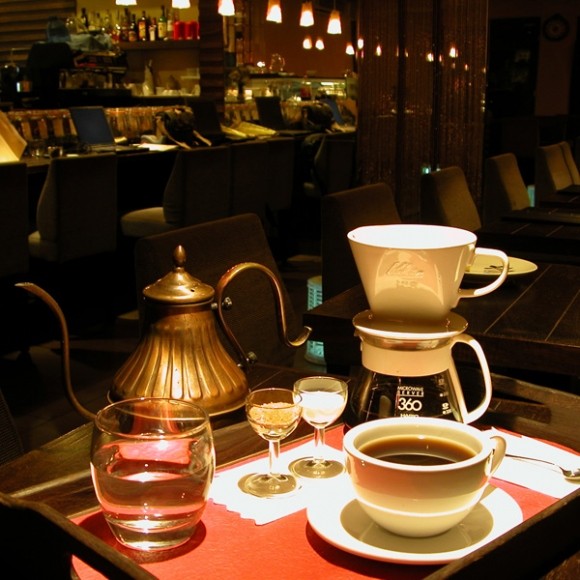
A classic full-immersion brewer where coarse-ground coffee (85–95°C water) steeps for 3–5 minutes in a glass or metal container. After steeping, you press down a plunger with a metal mesh filter to separate grounds from the brewed coffee. It’s simple and produces a rich, full-bodied cup, though it can let some fine particles through, adding slight sediment.
- Difficulty: ★★★
- Flavor potential: ★★★☆
- Playability: ★★★
- Lowest cost: Under 100 RMB
- What you need: French press, grinder, thermometer
7. Clever Dripper (Smart Cup)
This hybrid of pour-over and French press combines a filter dripper with a valve. You preheat it, add medium-coarse coffee (same as pour-over), pour water at 85–95°C at a 1:12–1:15 brew ratio, stir, and let it steep for about 2 minutes. Then place it on your cup to release the coffee through the valve. It’s user-friendly and great for home brewers who want a cleaner cup than a French press but easier prep than a V60.
- Difficulty: ★★★
- Flavor potential: ★★★☆
- Playability: ★★★☆
- Lowest cost: Under 150 RMB
- What you need: Clever dripper, grinder
Frequently Asked Questions
What’s the easiest coffee brewing method for beginners?
The French press and Belgian siphon are the easiest to use. The French press involves steeping coarse coffee for 3–5 minutes and pressing down the plunger, while the Belgian siphon works with just heating and automatic siphoning—though it’s more about the show than precision.
Which brewing method gives the best flavor?
Filter coffee (pour-over) offers the highest flavor potential with the right technique. It allows precise control over water flow, temperature, and extraction time, highlighting the nuances of single-origin beans. Espresso also delivers intense flavor but requires more skill and equipment.
Do I need a special grinder for each brewing method?
Yes. Each method requires a specific grind size: fine for espresso, medium-fine for pour-over, medium-coarse for French press, and coarse for siphons. Using the wrong grind can ruin extraction, so a good burr grinder is essential.
What water temperature should I use for most methods?
For filter coffee, siphon, and clever dripper, aim for 85–95°C. For French press, use the same range. Espresso typically uses water around 90–96°C. Moka pots work best with boiling water (100°C).
Is an espresso machine worth it for home use?
Only if you’re committed to learning the craft. Espresso machines require precise dosing, tamping, and maintenance, and the learning curve is steep. But if you want café-quality shots or milk drinks at home, it’s the only way to get there.
Recommended FrontStreet Beans for Filter & Espresso
For pour-over and siphon brewing, try FrontStreet’s Ethiopia Huakui — bright with citrus, floral notes, and a juicy body, perfect for highlighting clarity. For espresso lovers, their PWN Golden Mandheling offers a rich, chocolatey profile with low acidity and a heavy crema, ideal for traditional milk drinks. Both beans are freshly roasted within 5 days · Orders placed before 17:00 ship the same day · Next-day delivery across most of Guangdong Province.
FrontStreet Coffee is a long-established specialty coffee roaster in Guangzhou China, selling freshly roasted beans from its own farm in Yunnan as well as dozens of carefully selected single-origin beans from around the world for both pour-over and espresso. The products deliver consistently excellent quality and great value, with shipping within 24 hours. Guangzhou's FrontStreet Coffee shop is recommended by many coffee lovers, and the beans are now available online at the Tmall 。
Important Notice :
前街咖啡 FrontStreet Coffee has moved to new addredd:
FrontStreet Coffee Address: 315,Donghua East Road,GuangZhou
Tel:020 38364473