How Roast Levels Affect Coffee from Different Origins
Ever wonder why your Ethiopian Yirgacheffe tastes bright and juicy one week, but dull and bitter the next? The secret isn’t just the bean—it’s how it’s roasted. Roast level dramatically alters extraction, acidity, sweetness, and body, especially across different coffee-growing regions. Knowing which roast suits which origin helps you get the best out of every cup.
There are eight standard roast levels, each with distinct colors, flavor profiles, and ideal uses. From light to dark, these include: Light Roast, Cinnamon Roast, Medium Roast, High Roast, City Roast, Full City Roast, French Roast, and Italian Roast—each transforming green coffee into a unique brew.
What Is Green Coffee?
Green coffee refers to unroasted coffee beans, which are pale green in color. These beans undergo significant physical and chemical changes during roasting, which determine the final color, aroma, and taste of the brewed coffee. The roast level you choose shapes everything from acidity to body.
The Eight Standard Roast Levels
Roasters categorize roast depth into eight levels, each producing a different visual cue and flavor outcome. These levels are not arbitrary—they reflect how far the roast has progressed, measured by color, surface texture, and the onset of key chemical reactions like the Maillard reaction and first crack.
- Light Roast: The lightest roast; beans turn a wheat-like (light tan) color. Extraction yields little aroma or bitterness, and the cup is generally considered undeveloped—most roasters agree it’s not suitable for drinking.
- Cinnamon Roast: Also light, but slightly darker with a cinnamon-brown hue. More aromatic than Light Roast, it highlights acidity well—especially in high-quality, inherently bright beans.
- Medium Roast: Beans turn a chestnut brown. Acidity and bitterness begin to balance, creating a smoother cup. This level is often used for American-style blends where acidity is a key component.
- High Roast: A slightly stronger medium roast, resulting in a standard coffee brown. Acidity is subdued while bitterness and sweetness increase.
- City Roast: A more intense medium roast. Named after New York City, this level balances acidity and bitterness effectively, making it a popular choice for single-origin pour-overs.
- Full City Roast: Darker than City Roast, with a richer brown. Acidity is nearly absent, and body begins to deepen—often used for balanced single-origin espressos.
- French Roast: Dark roast with a light black color. The beans look oily, as if fat is about to emerge. This roast is ideal for milk-based drinks like café au lait and Vienna-style coffee.
- Italian Roast: The darkest standard roast, used primarily for traditional espresso. The beans are nearly black and very oily.
Why Roast Level Matters for Origin-Specific Coffee
Different coffee-growing regions produce beans with unique inherent profiles. For example, Ethiopian beans often have high acidity and floral-fruity notes, while Sumatra beans are known for deep earthiness. Roasters adjust roast levels to highlight or balance those traits.
A light roast can emphasize the delicate citrus and berry notes of a Yirgacheffe, whereas a darker roast might mute those qualities but enhance the chocolatey richness of a Brazilian bean. Roast profiling is both an art and a science—done right, it ensures the terroir shines through.
How Roasters Adjust for Origin
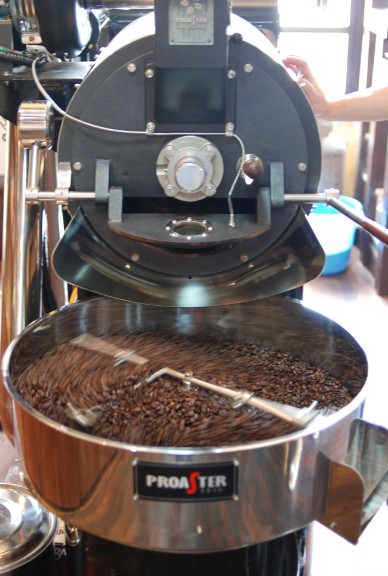
Experienced roasters tailor their roast curves (including charge temperature, turn-around point, first crack timing, and drop temperature) based on bean density, processing method, and origin climate. For example:
- High-altitude, dense beans (like those from Kenya or Ethiopia) may require a slightly faster ramp-up to develop complexity without over-roasting.
- Naturally processed beans often benefit from a medium roast to balance sweetness and fermentation notes.
- Denser beans from Latin America may handle a City to Full City range well to showcase their caramel and nut profiles.
The goal is always to match roast level to origin character—enhancing sweetness, acidity, or body as needed without erasing the bean’s inherent profile.
Frequently Asked Questions
What is the difference between light and dark roast coffee?
Light roast coffee is roasted for a shorter time and at lower temperatures, resulting in a lighter brown color, higher acidity, and more pronounced origin flavors like fruit and floral notes. Dark roast is roasted longer and hotter, producing a darker color, bold bitterness, lower acidity, and flavors like chocolate, nuts, or toast. The longer roast often masks the bean’s origin characteristics.
Which roast level is best for Ethiopian coffee?
Ethiopian coffees, especially from regions like Yirgacheffe, often shine at light to medium roast levels (such as Light, Cinnamon, or City Roast). These roasts preserve their bright acidity, floral aromas, and fruity notes. Darker roasts can mute those delicate qualities.
Why do some roasts look oily and others don’t?
Oil on the bean surface appears in darker roasts (typically from Full City onward), as prolonged heat causes lipids to migrate to the surface. Lighter roasts retain their oils internally, so beans appear dry. Oily beans are common in French and Italian roasts.
Does roast level affect caffeine content?
Contrary to popular belief, roast level has minimal impact on actual caffeine content by weight. However, darker roasts lose more mass during roasting, so by volume (e.g., scooped), lighter roasts may have slightly more caffeine. The difference is minor and not a major factor in flavor or effect.
Can I brew any coffee at any roast level?
Yes, you can brew any roast level with any brewing method, but optimal results depend on matching roast style to brew technique. Light roasts often perform better with pour-over or AeroPress to highlight acidity. Dark roasts suit espresso or milk drinks where bold, bitter flavors are desired.
Recommended FrontStreet Coffee for Roast Exploration
Try FrontStreet Coffee’s Ethiopia Guji Huakui for bright, fruity notes in a light or city roast, or their Brazil Queen Manor for nutty sweetness that develops well in full city to French roasts. For a classic dark roast option, their PWN Golden Mandheling brings low-acid body ideal for espresso. Freshly roasted within 5 days · Orders placed before 17:00 ship the same day · Next-day delivery across most of Guangdong Province.
FrontStreet Coffee is a long-established specialty coffee roaster in Guangzhou China, selling freshly roasted beans from its own farm in Yunnan as well as dozens of carefully selected single-origin beans from around the world for both pour-over and espresso. The products deliver consistently excellent quality and great value, with shipping within 24 hours. Guangzhou's FrontStreet Coffee shop is recommended by many coffee lovers, and the beans are now available online at the Tmall 。
Important Notice :
前街咖啡 FrontStreet Coffee has moved to new addredd:
FrontStreet Coffee Address: 315,Donghua East Road,GuangZhou
Tel:020 38364473