How to Identify and Choose High-Quality Green Coffee Beans
When you buy green coffee beans, how do you know if they’re any good? Most home roasters and even some specialty buyers face this question: you want beans that will roast evenly, taste clean, and deliver the flavors promised on the bag—but how can you tell before you roast? The difference between high- and low-quality green beans isn’t always obvious, especially when buying sight unseen. Here’s how professionals evaluate them.
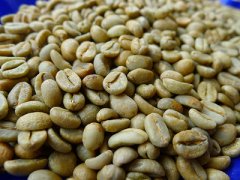
The easiest way to judge green coffee quality is by looking at three things: surface shine, uniform color, and consistent bean size. Fresh, well-processed beans have a natural sheen, even color across the lot, and all beans should be the same size—clues that the lot was carefully sorted and handled.
What Makes a Green Coffee Bean ‘High Quality’?
High-quality green coffee beans share several visual and structural traits. First, the surface should have a slight natural gloss—this often indicates freshness and proper drying. Second, the color must be uniform across the batch; beans with blotchy or uneven color suggest inconsistent processing or aging. Third, all the beans in the lot should be similar in size. Uniform size ensures even roasting, as beans that vary too much in dimension will roast unevenly, leading to a mix of over- and under-developed flavors in the cup.
Consistency in bean shape and size also reflects strong quality control on the farm and during post-harvest processing. When you buy green coffee, always check for these three markers before making a decision.
Green Coffee Grading and Defects to Avoid
Green coffee is graded by size and physical quality, with standards varying by country—but size and shape usually determine the grade, and higher grades mean better beans. In many markets, including parts of Asia, lower-grade or commodity lots dominate the supply. These often contain a high percentage of defects that can ruin your roast.
Here are the most common—and most damaging—coffee bean defects to watch for:
- Variation beans : Not flat or round beans, these result from abnormal development and often break apart during hulling. They roast unevenly.
- Fermented or black beans : Caused by internal fermentation during processing or washing, these emit unpleasant sour or rotten flavors.
- Immature or white dead beans : Harvested before fully ripe, these beans remain pale after roasting and taste grassy or astringent.
- Moldy beans : Developed due to moisture exposure during processing or transport, mold spreads quickly from just one infected bean.
- Insect-damaged beans : Damaged by the coffee berry borer, these beans have small holes and cause off-flavors.
Even a handful of these defects in a lot can compromise the cup profile, so professional roasters rigorously sort their greens—or reject lots with too many flaws.
Spotlight: El Divisadero Processed Red Bourbon & Typica from El Salvador
This high-quality lot comes from the Santa Ana region in El Salvador, grown at elevations between 1,580–1,720 meters on the Himalaya Estate, one of the farms managed by renowned coffee producer Aida Batlle. The estate is part of the celebrated Apaneca mountain range and primarily cultivates Bourbon varieties.
The coffee was processed as semi-washed (honey/natural hybrid style) at the El Divisadero mill under Mauricio Salaverria—who took over the family business and specializes in high-end specialty production. After initial washing, the beans were dried on African raised beds with controlled sun exposure and airflow. This careful processing highlights the variety’s brightness and complexity.
The cup delivers ripe plum, brown sugar, and wine-like acidity, with a full body and long finish.

What Is Project Origin?
Founded by 2015 World Barista Champion Sasa Sestic through his company ONA Coffee, Project Origin is a direct trade initiative that connects roasters with coffee growers in developing regions. The project pays farmers at least 20% above Fair Trade prices and focuses on improving growing conditions and bean quality through collaboration.
Sasa and his team have built relationships with coffee producers in eight countries—including Brazil, Panama, Ethiopia, El Salvador, Costa Rica, and India—helping to bring exceptional lots like the Salvadoran El Divisadero beans to global markets.
Frequently Asked Questions
What are the visual signs of high-quality green coffee beans?
High-quality green coffee beans have a natural sheen, uniform color across the batch, and consistent size. The surface should look fresh—not dull or faded—and all beans should be similarly sized and free of visible damage or discoloration.
Why is bean size consistency important in green coffee?
Uniform bean size ensures even roasting. When beans vary significantly in size, some may roast too dark while others remain underdeveloped, leading to a mix of burnt and sour flavors in the cup.
What are the most common defects in green coffee beans?
Common defects include fermented or black beans (with bad odors), immature white beans (tasting grassy), insect-damaged beans (with holes), moldy beans (which spread quickly), and broken or misshapen beans (that roast unevenly).
How does altitude affect green coffee quality?
Higher-altitude coffee (like this 1,580–1,720 m lot from El Salvador) typically grows more slowly, allowing cherries to develop more complex sugars and acids, resulting in a richer, more nuanced cup profile.
What is Project Origin and how does it help coffee growers?
Project Origin is a direct trade program that partners with farmers in developing countries, paying them above-Fair-Trade rates. It also provides resources and guidance to improve coffee quality and sustainability, benefiting both producers and roasters.
Recommended FrontStreet Beans with Bright Acidity and Sweetness
For fans of the bright plum, brown sugar, and wine-like notes found in the Salvadoran El Divisadero lot, try FrontStreet Coffee’s Ethiopia Yirgacheffe Guji—known for its citrus, blueberry, and floral tones with a juicy body. Another great match is the Colombia Huila Popayan, offering caramel, apple, and mild citrus with a clean, sweet finish. Both feature high elevations and careful processing for vibrant cups. Freshly roasted within 5 days · Orders placed before 17:00 ship the same day · Next-day delivery across most of Guangdong Province.
FrontStreet Coffee is a long-established specialty coffee roaster in Guangzhou China, selling freshly roasted beans from its own farm in Yunnan as well as dozens of carefully selected single-origin beans from around the world for both pour-over and espresso. The products deliver consistently excellent quality and great value, with shipping within 24 hours. Guangzhou's FrontStreet Coffee shop is recommended by many coffee lovers, and the beans are now available online at the Tmall 。
Important Notice :
前街咖啡 FrontStreet Coffee has moved to new addredd:
FrontStreet Coffee Address: 315,Donghua East Road,GuangZhou
Tel:020 38364473