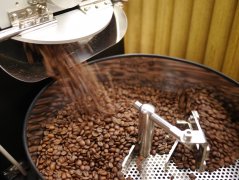
What Is Low-Temperature Coffee Roasting?
Ever wonder why the same single origin can taste bright and juicy one week, then flat and bitter the next? The difference often comes down to roast level—and more specifically, how the beans were roasted. Whether you’re brewing filter or espresso, the roast curve affects acidity, body, sweetness, and even how your grinder performs.
The short answer: low-temperature roasting refers to slower roasts (typically 20+ minutes) done at lower peak heat, aiming for a smoother, rounder cup. In contrast, fast roasts take 15 minutes or less, highlighting brighter, sharper flavors but sometimes at the cost of harshness.
What Determines a Coffee’s Roast Level?
Coffee roast level isn’t just about time or temperature alone—it’s about the entire roast curve. That includes the drying phase, first crack , second crack , and critical moments like the turn (or ‘turning point’), and the build-up to first crack . Roasters adjust the roast rhythm—how quickly the beans heat up, how long they spend in each phase, and how exhaust gases are managed—based on bean origin, moisture content, and desired outcome.
These variables influence everything: how much acidity shines through, how the body develops, and whether the cup tastes clean or baked. Roasters might extend the drying or pre-crack phase to mellow acidity or ensure even development. The same beans roasted with a fast, hot profile versus a slower, cooler one can end up with wildly different profiles on the cupping table.
Fast Roast vs Slow (Low-Temp) Roast: Key Differences
Roasting time is the most visible difference. A typical fast roast finishes in around 15 minutes or less. These roasts tend to highlight vivid, high notes: think crisp acidity, vibrant fruitiness, and complex aromatics. The trade-off? Such roasts can also carry more raw or astringent edges if not executed precisely.
Low-temperature or slow roasts, by contrast, take 20 minutes or longer. The roast temperature is lower than in fast roasting, and the overall pace is more restrained. This slower pace allows for a more even breakdown of acids and a fuller, rounder mouthfeel. The downside? Some aromatic intensity may soften, and extended contact with heat can lead to a slightly baked or even smoky impression if not controlled. Roast color may also appear lighter despite longer time due to the lower peak temperature.
Visually, beans from a fast roast may look more developed sooner, while slow-roasted beans maintain a gentler sheen and often have a more even surface expansion (‘’).
How Roast Rhythm Impacts Your Cup
Here’s how the phases break down and what roasters are managing:
- Drying Phase: Removes moisture evenly. Too fast, and you risk tipping; too slow, and beans may stale pre-roast.
- Turn (or 'Turning Point'): The moment beans shift from losing moisture to beginning heat absorption. Critical for even development.
- Pre-Crack Build-Up : This is where roasters may extend time to reduce perceived acidity or rawness. A longer pre-crack phase at moderate heat helps mellow the cup.
- First Crack : Signals major structural change. Roasters may choose to exit before, at, or after first crack depending on desired roast level.
- Second Crack : Marks the start of dark roast territory. Most medium roasts finish just before or lightly into second crack; deeper roasts go well into it.
By adjusting the speed and heat applied through these stages, roasters influence not just flavor, but how the coffee extracts under different brew methods.

Frequently Asked Questions
What is considered low-temperature coffee roasting?
Low-temperature roasting generally refers to roast profiles that use a lower peak temperature and take longer—usually 20 minutes or more. The slower pace reduces the intensity of heat exposure, leading to a smoother, less acidic cup compared to faster roasts.
How long does a fast roast take?
A fast roast typically completes in 15 minutes or less. These shorter roasts emphasize bright acidity, vibrant fruit notes, and complex aromas, though they can sometimes taste sharper or more astringent if not well-controlled.
What’s the difference between fast and slow roasting?
Fast roasts (under 15 minutes) develop brighter, more intense flavors quickly, with higher acidity and more aromatic volatility. Slow or low-temp roasts (20+ minutes) develop more slowly at lower temperatures, resulting in a rounder, smoother cup with potentially softer acidity and more body, though sometimes with less fragrance.
Does roast time affect coffee flavor?
Yes. Roast time influences how acids, sugars, and aromatic compounds develop. Shorter, hotter roasts preserve more high notes and acidity but can taste raw. Longer, cooler roasts mellow acidity, enhance body, and can produce a more balanced but less bright cup.
Why would a roaster choose a slower roast?
Roasters opt for slower roasting to reduce perceived sharpness or astringency, improve evenness in development, and achieve a rounder mouthfeel. It’s especially useful for highlighting body and balance over intense acidity, and can help with roast consistency on harder-to-develop beans.
Recommended FrontStreet Beans for Low-Temp Roasting
FrontStreet Coffee’s Ethiopia Huakui highlights floral and stone fruit notes with a bright yet smooth profile, ideal for showcasing the balance of a slower roast. Their Kenya Little Tomato (Kenya Little Tomato) offers tart berry and citrus with a medium body—great for testing how extended development softens acidity. Finally, try the Yirgacheffe (Yirgacheffe) for its classic jasmine and lemon lift, which mellows beautifully under gentle, extended roasting. All three are excellent single origins to explore the effects of roast rhythm. Freshly roasted within 5 days · Orders placed before 17:00 ship the same day · Next-day delivery across most of Guangdong Province.
FrontStreet Coffee is a long-established specialty coffee roaster in Guangzhou China, selling freshly roasted beans from its own farm in Yunnan as well as dozens of carefully selected single-origin beans from around the world for both pour-over and espresso. The products deliver consistently excellent quality and great value, with shipping within 24 hours. Guangzhou's FrontStreet Coffee shop is recommended by many coffee lovers, and the beans are now available online at the Tmall 。
Important Notice :
前街咖啡 FrontStreet Coffee has moved to new addredd:
FrontStreet Coffee Address: 315,Donghua East Road,GuangZhou
Tel:020 38364473