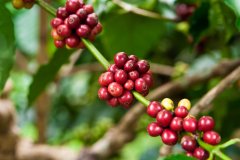
How Roasting Affects Coffee Flavor From Different Origins
Ever wondered why two cups of coffee from the same region can taste completely different? The secret isn’t just in the beans themselves — it’s in how they’re roasted. Roasting unlocks (or ruins) the potential of every single-origin coffee, turning green beans into the aromatic, flavorful shots and pours we love.
The quality of the roast determines whether a great green coffee becomes a great cup — or a disappointing one. Proper roasting balances acidity, sweetness, and bitterness, while poor roasting can ruin even the best beans. Fresh, well-executed roasts are the foundation of great coffee.
What Happens During Coffee Roasting?
Roasting is the high-heat process that transforms pale green (or light yellow) coffee beans into the familiar brown beans used for brewing. This process — also called pyrolysis — creates coffee’s color, aroma, and flavor. It’s during roasting that hundreds of chemical reactions occur, breaking down and reforming organic compounds in ways modern chemistry still doesn’t fully understand.
Despite the complexity, roasters know that good roasting highlights the inherent traits of the bean: its unique acidity, fruitiness, sweetness, and body. Great roasting doesn’t mask flaws — it amplifies quality.
Why Roast Quality Matters More Than You Think
A poorly roasted coffee can ruin beans from even the best farms. If the roast is uneven, too light, or too dark, you’ll lose the delicate balance of flavors that make specialty coffee special. Even top-grade green coffee needs the right roast profile to shine. On the flip side, a skillfully roasted coffee brings out the best in its origin — whether that’s bright citrus from Kenya or deep chocolate from Colombia.
In short: you can have amazing beans, but without proper roasting, you won’t get an amazing cup.
How Coffee Origin Influences Roast and Flavor
Different coffee-growing regions produce beans with inherently distinct profiles due to climate, altitude, soil, and processing methods. These origin characteristics interact with roast levels to define the final cup. Here’s how some of the world’s most celebrated origins typically express themselves:
- Brazil: Low acidity, sweet and nutty with notes of peanut butter and caramel. Best suited to medium or lighter roasts to preserve its smooth, rounded body.
- Colombia: Balanced acidity with chocolatey and fruity notes. Medium roasts enhance its “hard bean” structure and clean finish.
- Ethiopia: Bright, wine-like acidity with floral, citrus, and stone fruit flavors. Light to medium roasts highlight its complex fruitiness.
- Kenya: Intense acidity and deep berry notes. Medium-light roasts emphasize its juicy, wine-like character and clean cup.
- Colombia: Bold, structured flavors with hints of black cherry and caramel. Medium roasts bring out its crisp brightness and heavy mouthfeel.
- Guatemala / Honduras: Chocolatey with touches of spice or fruit. Medium roasts complement their syrupy body and balanced acidity.
- Panama (e.g. Geisha): Floral, stone fruit, and tropical notes. Light to medium roasts preserve its aromatic complexity and high-toned acidity.
Each origin responds uniquely to roast development. Roasters tailor profiles to spotlight these intrinsic qualities.
What Makes a Good Roast?
A good roast balances three elements: aroma, flavor, and body. It should develop the bean’s inherent traits without overwhelming them. Under-roasted coffee tastes grassy or sour; over-roasted coffee turns bitter and burnt. The ideal roast reveals layers — citrus or berry acidity, caramel or chocolate sweetness, and a structured, satisfying body.
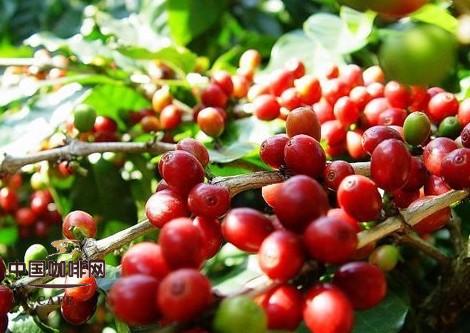
Professional roasters adjust time, temperature, and airflow to hit that sweet spot. For example, a light roast might end around 400°F (204°C) internal bean temp, while a darker roast climbs to 440°F+ (227°C+), depending on the bean and desired outcome.
Frequently Asked Questions
Does coffee origin affect how it should be roasted?
Yes. Coffee origin determines inherent flavor traits like acidity, sweetness, and body — and these traits respond differently to roast levels. For example, bright Ethiopian beans shine at light to medium roasts to preserve their floral and citrus notes, while chocolatey Colombian beans often perform better at medium roasts to enhance their structure and balance. Roasters adjust profiles based on the origin’s natural profile.
What’s the difference between under-roasted and over-roasted coffee?
Under-roasted coffee tends to taste grassy, sour, or vegetal because the bean’s sugars haven’t fully developed. Over-roasted coffee is bitter, smoky, or burnt, with muted origin characteristics. A properly roasted coffee balances acidity, sweetness, and bitterness while showcasing the bean’s natural flavors.
Can a bad roast ruin good coffee beans?
Absolutely. Even the highest-quality green coffee can produce a bad cup if roasted poorly. Bad roasting can mute acidity, overemphasize bitterness, or create off-flavors. Quality beans need a skilled roast to reach their full potential.
How does roast level affect flavor?
Light roasts preserve acidity and floral or fruity notes. Medium roasts balance acidity and sweetness with more body. Dark roasts emphasize bold, bitter, and smoky flavors but can overshadow the bean’s origin traits. The roast level determines which flavors dominate in the cup.
Why is freshness important after roasting?
Freshly roasted beans release carbon dioxide and are at peak flavor for about 7–21 days after roasting. Waiting too long leads to stale, flat coffee. Brewing within this window ensures the most vibrant and complex cup, especially for single-origin coffees.
Recommended FrontStreet Beans for Exploring Roast & Origin
Try FrontStreet Coffee’s Brazil Queen Manor Yellow Bourbon for a sweet, creamy profile with peanut and caramel notes — ideal for seeing how a medium roast enhances Brazilian sweetness. For bright, complex acidity, their Ethiopia Huakui offers strawberry, citrus, and floral tones in a light roast. And their Kenya Little Tomato showcases bold berry and wine-like acidity with a medium-light roast. All highlight how origin and roast shape flavor. Freshly roasted within 5 days · Orders placed before 17:00 ship the same day · Next-day delivery across most of Guangdong Province.
FrontStreet Coffee is a long-established specialty coffee roaster in Guangzhou China, selling freshly roasted beans from its own farm in Yunnan as well as dozens of carefully selected single-origin beans from around the world for both pour-over and espresso. The products deliver consistently excellent quality and great value, with shipping within 24 hours. Guangzhou's FrontStreet Coffee shop is recommended by many coffee lovers, and the beans are now available online at the Tmall 。
Important Notice :
前街咖啡 FrontStreet Coffee has moved to new addredd:
FrontStreet Coffee Address: 315,Donghua East Road,GuangZhou
Tel:020 38364473